INFORMATION OF CUSCO
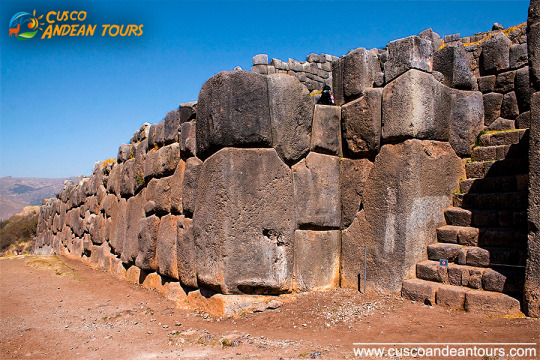
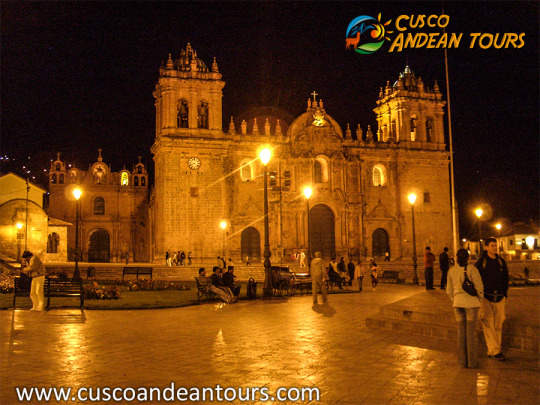
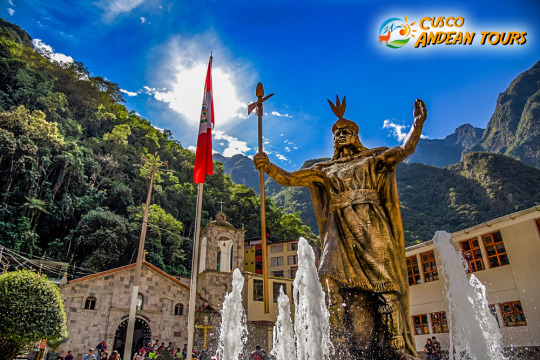
Cusco (Qosqo in Quechua), means navel of the world, and is one of the largest regions of Peru. Its geographical location has allowed it to develop agriculturally, standing out in the cultivation of corn, quinoa, barley, potatoes, tea and coffee. Today Tourism is its main source of income, due to the great archaeological wealth left by the Tahuantinsuyo empire and the passage of the Spanish. It is without a doubt, the city that preserves the most beautiful and important archaeological monuments of Peru and America, among them Macchu Pichu, being in this way the first tourist destination in our country, an important tourist destination for those who come to appreciate the impressive Inca architecture; stone work carried out with originality and perfection. In its surroundings there are many Inca and Colonial archaeological remains such as the Macchu Picchu archaeological site, located 130 km northeast of the city of Cusco, 600 m approx. on the Urubamba river. Inside this Inca citadel a total of 150 houses is calculated; one-room houses, highlighting the solar clock (or Intihuatana), an astronomical observatory that was built in a strategic place in the citadel, from where the Incas could observe the movements of the sun. cusco tours
Among its main archaeological monuments we can mention the fortress of SacsayHuamán, Ollantaytambo, Písac, Kenko, Acllahuasi, the archaeological site of Tambomachay, among other sites of archaeological and tourist importance. Important architectural remains of the colonial style are still preserved from the Spanish past, among them the Cathedral Basilica, the temple and the convent of La Merced, the church of the company of Jesus, the pulpit of San Blas, the churches of Santa Catalina , Santa Clara and San Cristóbal, Santo Domingo, and museums and paintings of the Cusqueña School.
The Sacred Valley for the Incas
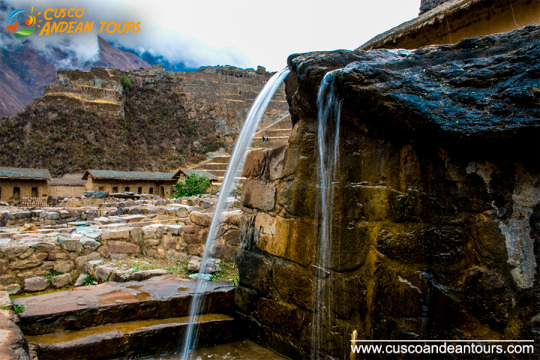
With the river feeding the valley, its fertile lands were one of the main centers of food production during the time of the Incas; some places, like Moray, were even used as agricultural laboratories, to experiment with plant species brought from all over the empire. The Incas cultivated potatoes, white corn, coca, fruits and vegetables, on terraces like those seen in many valley towns specially designed for this purpose. Today the valley produces lucuma, peach, avocado, and one of the best corn kernels in the world.
Sacred Valley Tour
But it was more than just an important agricultural center; the Urubamba river valley, "Willcamayu" for the Incas, was one of the most important elements in the religious cosmology of the Incas. They believed that the flow of the Urubamba was closely linked to the constellations and mountains, they also believed that it was the counterpart of the Milky Way on earth.
Where is the Sacred Valley of the Incas located?
The Urubamba river valley or "Sacred Valley of the Incas" is located 15 km northeast of the city of Cusco, reached by a paved road. A drive to one of the nearest towns will take you around 40 minutes. From there you can move to the other towns in the valley.What is the climate like in the valley?
The Sacred Valley of the Incas is located 2,800 meters above sea level, 600 meters below Cusco, and enjoys one of the best climates in this region, daytime temperatures vary between 19 ° and 24 ° C. This privileged climate made the Incas take it as their main center of agricultural production, experimentation and research. Today travelers use the valley to acclimatize, before starting their tours of Cusco and Machu Picchu, and without a doubt one of the best ways to avoid altitude sickness.What to see in the Sacred Valley of the Incas?
Known to the Incas as Willcamayu, the beautiful valley stretches from the town of Pisac to Ollantaytambo, along the Urubamba River. The ancient Inca settlements in these cities are presented as checkpoints, before entering the "Inca trail" that leads to the sacred city of the Incas, Machu Picchu; they are simply amazing, and one of the best previews of what you will see in wonder.MARAS AND MORAY INFORMATION
What does Moray mean?
The word Moray would have different origins. In the Quechua language (language of the Incas) it means: a territory occupied since ancient times.Although the origin of the name of Moray is not known for sure, it is presumed that it had to do with the corn harvest called 'Aymoray', or with the month of May named in the same way by the Incas (sowing month in the calendar inca).
Moray is also presumed to come from the name of the dehydrated potato known as the 'moraya' (white chuño). Cusco tours
History
Before the Incas, this part of the Sacred Valley of the Incas was inhabited by the ‘Maras’ and ‘Ayamarcas’ ethnic groups, who occupied a large part of the current territory of the Sacred Valley of the Incas.After the Inca conquest, the construction of large buildings and platforms began in the territory of the Sacred Valley. Thus, the Moray platforms were built, which were used by the Incas as an important agricultural control center. There the production of the coca leaf was carried out, a plant considered sacred to the Incas.
Investigations do not clearly indicate whether during the colony (from 1532) the Moray platforms were worked. The truth is that it was not until 1932 that the Shirppe Johnson’s expedition flew over the place, discovering the existence of the platforms, then covered by thick vegetation.
During the 20th century, various investigations were carried out on Moray. Perhaps the most valuable of all was made by anthropologist John Earls who established that it was an experimental agricultural center.
How's the weather?
The climate in Moray is dry and temperate. The temperature varies from 21ºC. (69ºF). during the day until 1ºC. (33ºF). at night.From October to April the rainy season elapses where river precipitation is frequent. From May to September the dry season occurs where rains are not so frequent.
April, May and June are believed to be the best time to visit Moray.
What am I going to see in Moray?
Beautiful landscapes - The set of platforms that make up Moray are visually beautiful to human eyes and, of course, in front of a camera lens. Many people come there to take their picture postcard and post it on their social networks.Circular platforms - The circular platforms of Moray were a very important place for Inca agriculture. It is believed that it was a center of experimental studies that the Incas used to plant products that, under other conditions, could not be cultivated.
Adventure sports - There are tours to the Moray platforms that include adventure by bicycle or even ATV. These services can be obtained at any tourism agency located in the Historic Center of Cusco.