WHAT IS THE HUMANTAY LAGOON? Cusco without a doubt does not cease to surprise us since it contains the most curious and unusual landscapes, sometimes we can even say almost interplanetary landscapes such as the mountain of colors, place that you can know about them here, which is the Rainbow Mountain
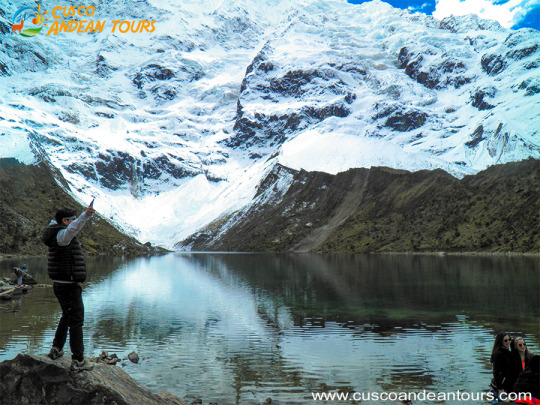
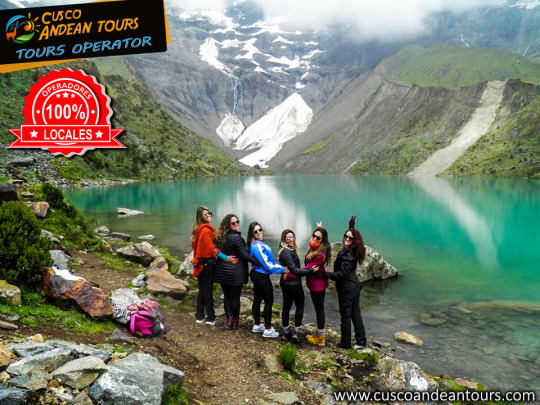
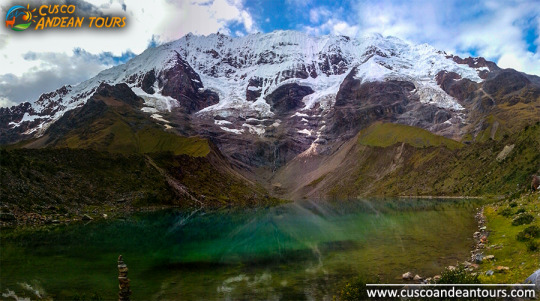
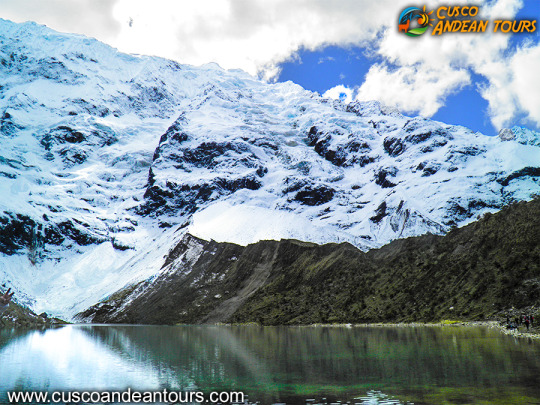
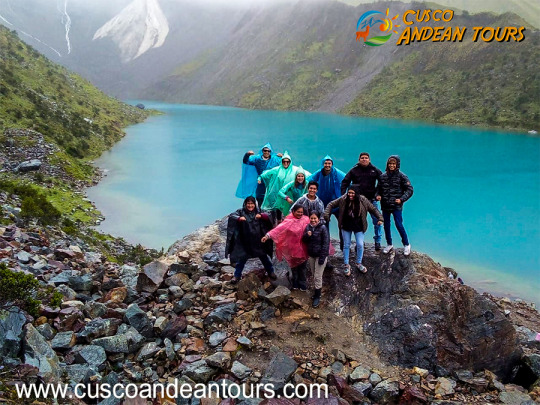
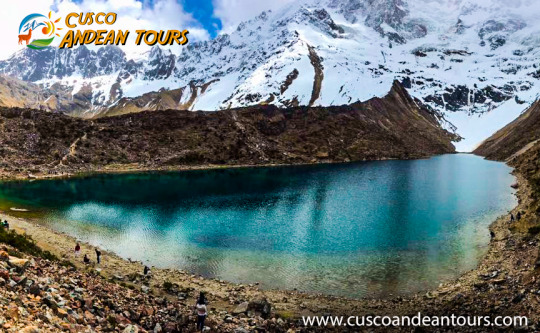
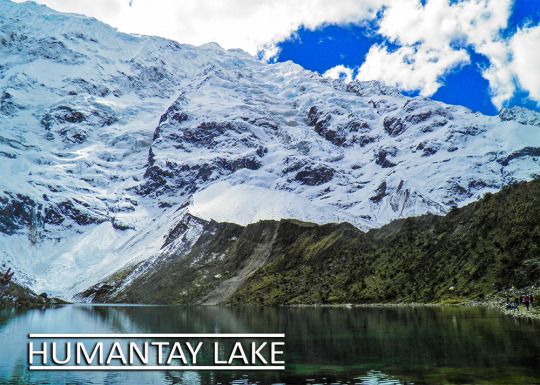
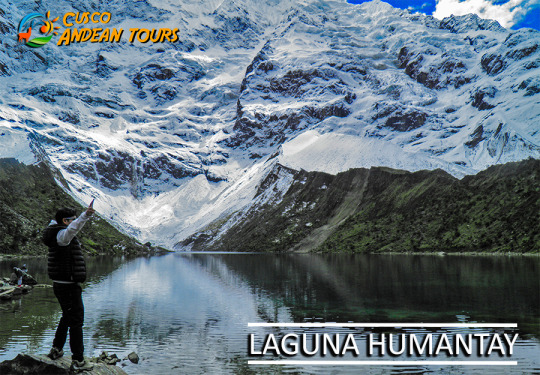
The humantay lagoon is formed as a thaw product of a large snow-capped mountain that in turn is part of a mountain range called the vilcabamba mountain range. What makes the humantay lagoon characteristic is the natural color that it possesses, since it does not have much marine flora in its waters, it has an indescribable color in words, but understandable to the eyes, forming a unique landscape when travelers seek to capture the ideal moment with its cameras that want so much to capture landscapes experiences and moments all this and more make it an ideal place that you must visit if you travel to Cusco Peru. However, the geographical environment of this lagoon is also unique since it serves as the first camp on the Salkantay tour. HOW TO GET TO THE HUMANTAY LAKE
Very early in the morning we will embark on a trip of 2 and a half hours from the city of Cusco to the town of Mollepata, this time is enough to enjoy the Andean landscape and the warm valleys that bring so much harmony with it. In this town we will be able to enjoy breakfast, since you will once again board the bus to travel to the Soraypampa community. Soraypampa is the town from which we will start in the direction of the humantay lagoon, the only thing to do is follow a one-way road, it should be said that there is no concern about getting lost since the end of this road is the Humantay lagoon. The Humantay lagoon witnessed various events carried out by its own visitors, such as requests for hands, payments to the land, ceremonies with Andean teachers, coin tossing to conceive a wish, and romantic postcards that are easily virilized on social networks thanks to the unique landscape of this place. For the return to Cusco we will take the same route there, but not before enjoying a lunch with Novo Andean food as well as the organic products of the area.
Ausangate Trek 5 days, will take you Ausangate mountain itself is considered a holy mountain by local people and is the deity of Cusco. Since pre-Inca times the mountain has been a place of worship and offerings and this tradition continues today. AUSANGATE TREK ITINERARY:
DAY 1: Cusco - Tinqui - Upis
We depart Cusco early the morning for our three hours ride in private transport to the small village of Tinqui 3800 meters. As Tinqui is located on the new Interoceanic highway. Now we can arrive here much more quickly that in previous years. We pass through beautiful countryside and several traditional villages including Urcos, Cattca and Ocangate. After lunch in Tinqui the first 3 hours on the trail are wonderful prelude to the magnificent scenery of the Vilcanota Cordillera, with great views of Ausangate. We will trek for two more hours until we reach the hot springs at Upis 4400 meters which offer fantastic views of Ausangate at the end of the valley. We will camp here.
DAY 2: Upis - Lake Ausangate Q’ocha
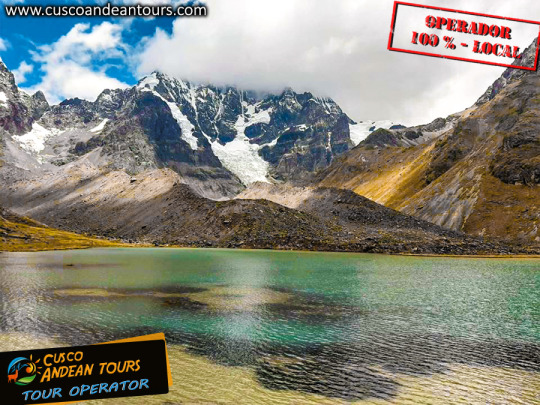
During our morning's trek, we will cross our the Arapa pass 4850 meters. From here, we continue 3 hours and half down the valley, passing the green lake of Puqa Q'ocha until we reach the turquoise Lake Jatun Puqa Q'ocha. We then ascend the second pass of Apuchata 4900 meters with the stunning turquoise blue Laguna Ausangate Q'ocha below. This lake is fed from the melting snow of Ausangate. We will camp here for the second night.
DAY 3: Lake Ausangate Q’ocha - Qampa
From the lake we ascend to the Palomani pass 5,200 meters the highest spot of the trek. From the pass we follow the trail into the valley where we'll rest and have lunch. During the afternoon we can enjoy views of the snowcapped Tres Picos and Puca Punta. We will continue through the broad green valley of Pampa Jutunpata and up the Rio Q'ampa valley. We will spent the third night.
DAY 4: Q’ampa - Pacchanta
After passing through the small community of Q'ampa we will head North west to the last pass of this hike, the Q'ampa pass 5000 meters. We will see several different coloured lakes and lunch beside Q'oma Q'ocha. We hike for several hours before arriving at the small village of Pacchanta. We can soak in the thermal springs for a couple hours, and even have a well-deserved beer! We will set up camp near Pacchanta and you will have the afternoon free to explore this interesting Andean village.
DAY 5: Pacchanta - Cusco
It's 3 hours trek back to Tinqui where we will have time to explore this traditional Andean village before taking our private car back to Cusco, arriving at about 18.00. MORE INFORMATION OF AUSANGATE TREK
What you need to take
Original passport
Insurance card optional.
Hiking water proof boots (with ankle protectors )
Waterproof jacket or rain poncho
Warm jack
Hat and gloves
T-shirts
Comfortable trousers
Rain pants
Sun hat, Bathing suit (for hot springs in santa teresa and Aguas Calientes)
Sun protection cream ( factor 35 recommended ) sun is strong
Insect Repellent 40 % deet ( for mosquitos )
Water bottle
Water purification tablets (Micropur recommended)
Toilet paper
Personal medication
Camera and extra batteries.
Torch with spare batteries (flashlight)
Extra contribution suggested money for tipping porters, cook and guide. and for any emergency.
You can rent in our office:
Walking sticks ($ 20.00 per person) for the entire hike.
Sleeping bag ($ 25.00 per person) for the entire hike.
CHOQUEQUIRAO ROUTE
Description
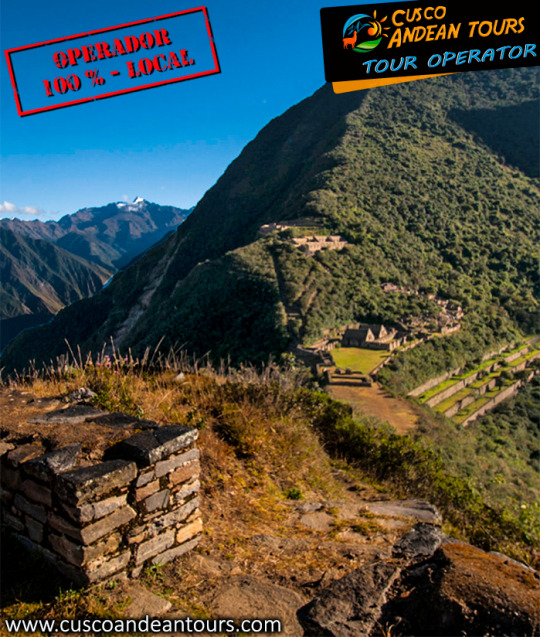
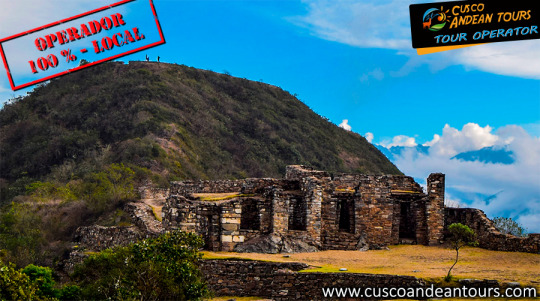
Choquequirao trek classic 4 days, is one of the little crowded routes of Cusco but no less attractive than Machu Picchu, since Choquequirao is considered the Sister Citadel of Machu Picchu.
CHOQUEQUIRAO TREK ITINERARY Day 1: Cusco - Cachora - Playa Rosalina - Santa Rosa
We will pick up you from your Hotel at 5.00 am in our private transport and drive towards Cachora (4 hours approx.) the starting point of the trek where we meet our horsemen and horses. Then we start our hike climbing for 2 hours approx. to Capuliyoc where may we enjoy beautiful views of the surrounding mountains. We continue after Capuliyoc, descending for two more hours to Chiquisca and our delicious lunch made by our chef. After lunch we keep going down the mountain until we reach Playa Rosalina campsite. After crossing the Apurimac River we start the climb to Santa Rosa, zigzagging up a steep slope (2 hours approx.) where those who wish may try Cambray the “typical drink” here, made locally from a sugar cane extract. Day 2: Santa Rosa - Archaeological Site of Choquequirao
We will wake up for breakfast and so we can have an early departure from Santa Rosa. Afterwards, we continue our hike slowly climbing for 2 hours approx to Marampata.
Then we continue to enjoy this day we will dedicate ourselves exclusively to enjoying all the magic of history and splendor of Choquequirao, we will enjoy a complete guided tour of the Choquequirao complex, including a visit to the high parts (Hanan), and the lower parts (Urin). There will be time to know explore the site with its 8 sectors, its barns, houses and temples. You will see the three stages of the excavation of this late Inca-town: the excavated buildings and constructions; the ruins currently in the process of excavation and finally the unexplored areas and terraces with the secrets they may hold of this last refuge of the dying Inca empire. And throughout the day we will keep an eye to the sky for a glimpse of the majestic flight of condors. With luck on the high steep slopes of Chocuequirao, they can pass very close to you. We will enjoy our lunch and then we will return to our Maranpata campsite for rest. Day 3: Choquequirao - Playa Rosalina - Chiquisca
This morning we enjoy our delicious breakfast and start our 1 ½ hour walk back towards Maranpata and a descent to Playa Rosalina for lunch and a some relaxation time. After lunch we climb for 2 hours to Chiquisca campsite where dinner will be waiting for us.
In Chiquisca you can have a shower and eat some exotic local fruits from this area. Day 4: Chiquiska - Cachora - Cusco
We leave camp after breakfast to start the two to three hours climb to Abra Capuliyoc. We will leave Chiquisca campsite early because the sun can be very strong after 10 am, so we plan to to arrive at Capuliyoc by then. Then it is an easy two hours more back to Cachora where we have our lunch. In the afternoon, we met our private transport which will be waiting to take us back to Cusco. Estimated arrival time around 5.00pm. MORE INFORMATION OF CHOQUEQUIRAO TREK What you need to take
Original passport and Student card (ISIC) green card
Insurance card is essential
Hiking water proof boots (with ankle protectors )
Waterproof jacket or rain poncho
Sleeping bag
Warm jack
Hat and gloves
T-shirts
Comfortable trousers
Rain pants
Sun hat, Bathing suit (for hot springs in santa teresa and Aguas Calientes)
Sun protection cream ( factor 35 recommended ) sun is strong
Insect Repellent 40 % deet ( for mosquitos )
Water bottle
Water purification tablets (Micropur recommended)
Toilet paper
Personal medication
Camera and films
Torch with spare batteries (flashlight)
Extra contribution suggested money for tipping porters, cook and guide. and for any emergency (300 soles)
Walking poles ( black diamont or leki brand)
Optional items to take
Short pants
Walking poles (with rubber tips) they can also be hired from us.$15 usd the all trip.
Sleeping bags $20 usd the all trip.
Plaster and bandage.
RAINBOW MOUNTAIN AND AUSANGATE
Description
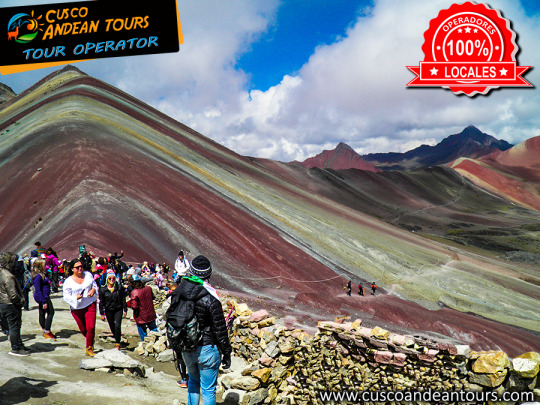
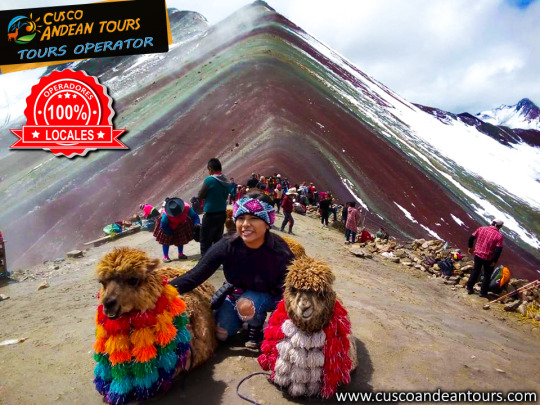
The Rainbow Mountain (Vinicunca), are stunning and can be seen on the spectacular Ausangate Trek. Ausangate mountain itself is considered a holy mountain by local people and is the deity of Cusco. Since pre-Inca times the mountain has been a place of worship and offerings and this tradition continues today.
RAINBOW MOUNTAIN AND AUSANGATE MOUNTAIN ITINERARY
DAY 1: CUSCO ‐ TINQUI VILLAGE – UPIS HOT SPRINGS
We set off early from Cusco traveling by private van to the small village of Tinqui. We will see the impressive mountain range of Vilcanota and pass through several traditional Andean villages en route and take time to stop to take some photos. When we arrive at Tinqui (our trailhead), we will have a delicious breakfast prepared by our master chef. Then our horsemen will arrange all the group gear and packs on the horses and our trek officially begins. We begin our walk through farming communities and enjoy the breathtaking views of the mountains. We will walk for around 3 hrs and then its time for a lunch stop. After lunch we continue for another 2 hours to reach Upis (4,100 m / 13,448 ft). There we will have the opportunity to soak in the local hot springs before dinner, and camp for the night.
DAY 2: UPIS ‐ ARAPA PASS – PUCACOCHA
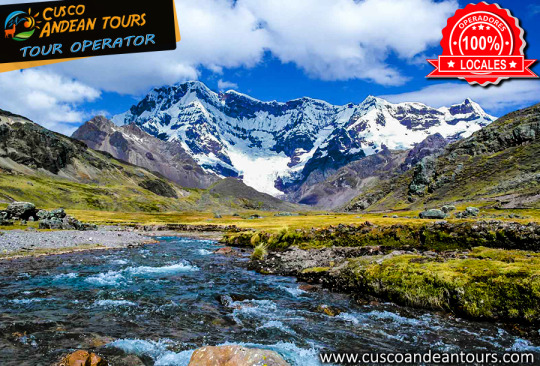
After a big breakfast we are ready to leave our camp and get started on our hike for the day. We will climb to the Arapa Pass (4,850 m / 15,908 ft). From this vantage point we will enjoy the contrast between dry desert like hills and breathtaking snow capped views of Mt. Ausangate and Pucacocha. This area also boasts three beautiful lakes with tones of reds, greens, and turquoises (Pucacocha, Hatun Pucacocha, and Qomercocha). Our second campsite is close to Ausangate glacier.
DAY 3: PUCACOCHA – AUSANGATE PASS – MINASNIYUQ PASS – SURINE COCHA
Today, you will be woken up with “room service” (a hot cup of coca tea). This is going to be one of the most beautiful days of the trek. We will see the Rainbow Mountains in the distance. Also, on today´s journey, we will pass through Alccatauri Village. This is where we will see their traditional village life. There are no trees in the area, so there is no wood to make houses or build fires. The residents are extremely enterprising and make their adobe houses out of mud and build fires with nature´s fertilizer, a.k.a. manure. J. The day begins with a 1 ½ hour uphill climb until we reach the Ausangate pass (4,930 m / 16,170 ft). At this pass, we will see red mountains and also have the opportunity to see Vicuñas, chinchillas and alpacas. After we enjoy the pass, we descend for 1 ½ hours until we reach the Alccatauri Village (4,400 m / 14,435 ft). During our time at the village, in return for their generous hospitality, we will give them offerings of coca leaves. This is extremely valuable because this treasurable Peruvian staple can not be grown in this climate. Following this incomparable experience, we will hike a further 30 minutes uphill to our lunch spot at a rustic lodge. After a satisfying lunch, we will begin our voyage uphill to the second pass. After 1 ½ hours, we will follow Llama trail to Minasniyuq Pass. Here we will have our first views of the Rainbow Mountains (5,020 m / 16,469 ft). At this pass, we will make offerings to Pacha Mama (Mother Earth). The remainder of the day´s journey is a 1 hour downhill hike to our camp, Surine Cocha (4,800 m / 15,748 ft). The camp is on the banks of the gorgeous Surine Lake (pictured above).
DAY 4: SURINE COCHA – RAINBOW MOUNTAIN – QUESIUNO VILLAGE – CUSCO
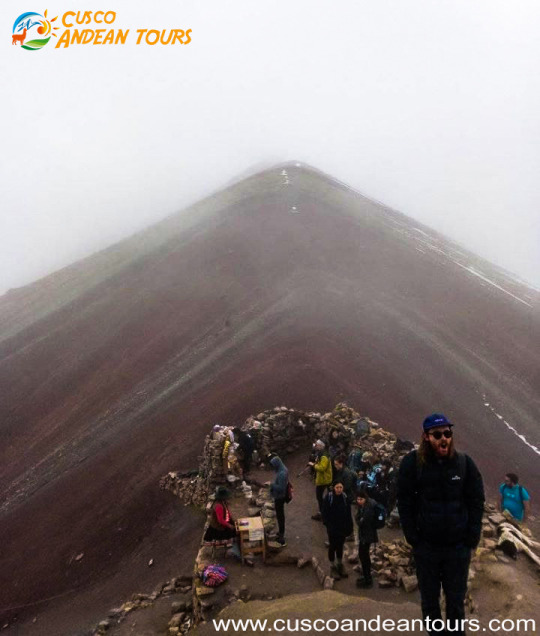
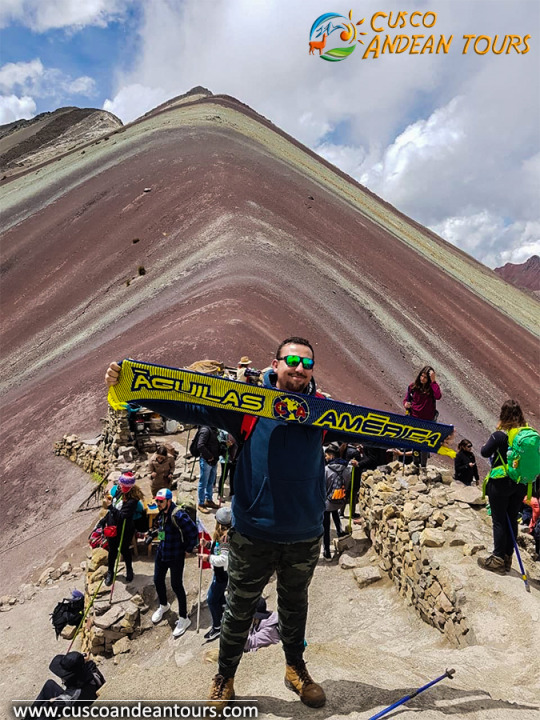
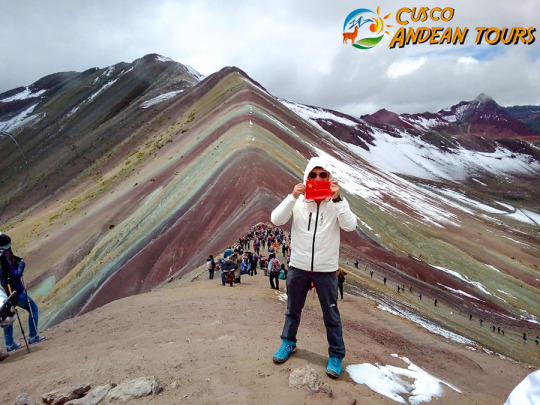
After breakfast we hike gradually uphill for 2 hours until we reach the famous Rainbow Mountain (5,020 m / 16,469 ft). Your guide will walk you to the best spots to get the perfect pictures of these incredible mountains and the other surrounding mountains. Your guide will explain what makes these mountains so unique: they are composed of various minerals, which make different colors of stone striations. Not only is this one of the most stunning places in Peru and South America, these type of mountains are seen in only one other country in the world, China. After taking photos and enjoying the view, we will continue on the trek until we reach Quesiuno Village. This is a 2 ½ hour downhill hike. We will have lunch there. Our private van will be waiting to pick us up in this village after lunch. We will then drive 3 ½ hours back to Cusco. After one of the most rewarding experiences of your life, we will drop you off at your Cusco hotel. Approximate arrival time is 6 PM. What you need to take
A light day pack with a change of clothes for the whole period of the trek - prepare for a vast range of changes in temperature
Rain gear (jacket and pants if available) or rain poncho. Plastic ponchos can be bought for about $1 in Cusco .
Strong footwear, waterproof trekking boots recommended. Extra socks are a must.
Sandals or plastic slip on thongs are also good to give your feet a chance to breath in the evenings if you wish to carry them.
Warm clothes, including jacket, fleeces, gloves, scarf and beanie/touk. Thermal clothing is also recommended, especially for sleeping. * This is a particularly cold trek, you should make sure you have a lot of very warm clothes.
Sleeping bag (we can hire these to you)
Torch/ Flashlight and spare batteries
Camera, batteries (batteries consume more quickly under cold conditions)
Hat or cap to protect you from the sun, rain and cold
Sun block
After-sun cream or hydrating cream for face and body
Toilet paper, pack in & pack out
Snacks: biscuits, energy bars, chocolate, raw fruits, muesli, etc.
Non-disposable canteen (Nalgene type) and water for the first morning.
We advise you to bring water sterilizing tablets in case you collect water from streams.
Your own medical kit with any special medications that you might require, paracetamol, second skin for blisters etc.
Small towel or sarong
Bathers/swimsuit (if you intend on swimming in hot springs )
Cash - sufficient for snacks, tips and souvenirs.
Original passport & ISIC (International Student Identity Card) if you have one.
Binoculars (if you have them)
HUMANTAY LAKE
Description
This tour is an option thinking of people who like hiking and nature and do not have many days, on the route we will appreciate beautiful landscapes, crops of different products such as corn, avocado, squash and others that are produced in this Limatambo valley. The Humantay lagoon is located at 4180 meters above sea level with a turquoise coloration, and the Humantay or Apu Humantay peaks to be connected with nature.
CUSCO – SORAYPAMPA – HUMANTAY LAKE
We pick you up from your hotel or hostel between 4:00 to 4:20 in our private transport to go to Mollepata located north of Cusco, we will arrive in 2 hours approximately to this small town. We arrived at Mollepata and enjoyed the delicious breakfast to start our adventure towards Humantay lake. We will continue in our private transport for approximately 1 more hour until Soraypampa which is located at 3900 m.s.n.m. Our guide will give you some recommendations to start the trek to Humantay Lake located at 4200 m.s.n.m. Which is very close to the mountain Salkantay. We start the hike to Humantay Lake for approximately 1 hour and 30 minutes; Enjoying the beautiful views of the snowy mountains Salkantay and Humantay. When we reach Laguna Humantay we will enjoy the beautiful turquoise lagoon. There you will take the best photos. Later you will enjoy a small snack watching the beautiful landscapes, continue the walk back to Soraypampa. In Soraypampa, (optional) people will receive the bike and bicycle equipment and the necessary indications by our guide, so that they begin with the adventure of return until Mollepata. Enjoy the adventure on bikes descending from 4000 m.s.n.m. At 2600 m.s.n.m. For about 2 hours until you reach the town of Mollepata. In the afternoon we will arriving to Mollepata and enjoy a delicious lunch. After lunch we return to Cusco in our private transport. We will arrived in Cusco around 7:00 p.m.; We drop you at your hotel. What you need to take
A backpack with a change of clothes for the whole period of the trek Rain gear (jacket and pants if available) or rain poncho (plastic ponchos can be purchased in Cusco).
Sandals or jogging shoes for a higher comfort while at camp.
Warm clothes, including jacket, fleeces. Thermal clothing is also recommended, especially for sleeping.
A down jacket is especially recommended for this trek since it runs at high altitude and temperatures may easily drop below freezing in the evening and at nights.
Flashlight/headlamp and batteries.
Camera and batteries (batteries consume more quickly under cold conditions)
Hat or cap to protect you from the sun, rain and cold.
Sun block
After-sun cream or hydrating cream for face and body.
Handkerchiefs.
Toilet paper.
Snacks: biscuits, energy bars, chocolate, raw fruits, muesli, etc. Please note that we do provide a daily morning snack and our meal service is very complete and well supplied. This recommendation applies for all clients being used to a specific snack, as it may happen that it is not included in our selection
Early in the morning (about 3:30 am,) we will be at your hotel or hostel to pick you up. Please make sure you are ready and waiting in the lobby for our guide or driver who is going to look for you. After youaboard our private transportation, we will drive to Pitumarka where we will have the chance to stop for some picture, relax a little and stretch our legs, there is a small shop where you can buy some snacks or water before start our Rainbow Mountain day hike. After stopping at Pitumarka we will continue until Quesuno. there we will organize everything before starting our Vinicunca hike. Then we will enjoy a delicious local breakfast and start our adventure to the famous Rainbow Mountain. There is 13 km of trekking. Uphill followed by 6 km over flat land that will take us to our goal called Rainbow Mountain or Vinicunca Mountain which is located at 5100 meter about sea level where we will enjoy the spectacular panoramic views across the ancient valleys Ausangate. We will show you a good place to stop and enjoy the flight of the condor and see walk wild Llamas, Alpacas and Vicuñas . After this we will turn back on the same trail, This time it will be easier because most of the trail is easy sailing---downhill! Once we get back to Quesuno, we will have a lunch then we will take our transportation back to Cusco where we will drop you off at you hotel or hostel.
We pick you up from your hotel or hostel between 4:00 to 4:20 in our private transport to go to Mollepata located north of Cusco, we will arrive in 2 hours approximately to this small town. We arrived at Mollepata and enjoyed the delicious breakfast to start our adventure towards Humantay lake. We will continue in our private transport for approximately 1 more hour until Soraypampa which is located at 3900 m.s.n.m. Our guide will give you some recommendations to start the trek to Humantay Lake located at 4200 m.s.n.m. Which is very close to the mountain Salkantay. We start the hike to Humantay Lake for approximately 1 hour and 30 minutes; Enjoying the beautiful views of the snowy mountains Salkantay and Humantay. When we reach Laguna Humantay we will enjoy the beautiful turquoise lagoon. There you will take the best photos. Later you will enjoy a small snack watching the beautiful landscapes, continue the walk back to Soraypampa. In Soraypampa, (optional) people will receive the bike and bicycle equipment and the necessary indications by our guide, so that they begin with the adventure of return until Mollepata. Enjoy the adventure on bikes descending from 4000 m.s.n.m. At 2600 m.s.n.m. For about 2 hours until you reach the town of Mollepata. In the afternoon we will arriving to Mollepata and enjoy a delicious lunch. After lunch we return to Cusco in our private transport. We will arrived in Cusco around 7:00 p.m.; We drop you at your hotel.
In Peru an adventure destination is Cusco, which guards the route to the Apu
Salkantay, an attraction that moves with the beauty of the landscape and keeps years of history in archaeological zones.
As part of the route to the Salkantay mountain, you can access hiking or mountain biking, as well as other camping activities. With a mystical air, the lagoon is visited by shamans and tourists from around the world to leave offerings to the Pachamama, deity who represents mother earth in the Inca culture. Through the laying of stones, an offering is offered to the Pachamama thanking her for having successfully reached the lagoon, as well as asking her to accompany us on our journey. HUMANTAY LAKE TREK INFORMATION.
The Humantay Lagoon is a place that impacts with its immensity, footprints and colors in the landscape, which makes it one of the must-see tourist destinations in the bowels of Peru.
Humantay Lake is a tour of natural beauty in the Salkantay region in Cusco. The lagoon is believed to preserve the sacred waters of the Apu Humantay that irrigate the fields in the area. The Humantay lagoon is highly respected by the inhabitants of the region due to its location and its great importance due to its importance for the subsistence economy of the locals.
The full-day tour of Lake Humantay is ideal for lovers of nature and ecotourism. During the tour we will be able to observe the exotic flora and fauna and appreciate the impressive snow-capped peaks of Humantay and Salkantay. The tour begins and ends in the city of Cusco
INFORMATION OF THE HIKING TO THE COLOR MOUNTAIN
Rainbow Mountain trek - This picturesque summit used to be an attractive 4-day drive to snowy Ausangate. Over the years, this mountain gained popularity on its own. Today, the most widespread way to visit this summit is through a tour. There are 1-day and 2-day services. Most include transportation, food, entrance fees and professional guide. In the city of Cuzco there are many tourism agencies offering these services.
Traveling on your own? - It is also possible to visit the ‘Cerro Colorado’ on your own. For this, the visitor must take a bus to Sicuani from the city of Cuzco (2 hours and 40 minutes away). Once there, a bus is taken to the town of Quesiuno. Then a walk begins (you can also hire a horse transport) to the Rainbow Mountain. The price of the entrance ticket is 10 soles.
Difficulty of the mountain - The 3 or 4 hour walk (depending on the tourist's physical condition) is not dangerous and requires moderate-high physical effort. There are considerable sections of slopes up and down. However, one of the biggest difficulties is cold weather and icy wind. The altitude of the area can cause altitude sickness or soroche. A previous acclimatization of 1 or 2 days in the city of Cusco is recommended.
Recommendations - Spend a day or two acclimatizing in the city of Cusco. Take warm clothes to do the walk. If you do not consider yourself in good physical condition for the trek, rent a horse to one of the inhabitants of the place. On that day, don't forget a hat or cap, sunscreen, jacket, pants, ideal shoes for trekking and a rain poncho
Humantay Lagoon is located in the community of Soraypampa, in the district of Mollepata, Cusco. To get to Cusco, you can take different bus companies such as Civa and Palomino. These companies have a ticket price of 40 soles and 100 soles departing from Arequipa and Lima, respectively.
Arriving in Cusco you have to take a mobility to Mollepata. In the Arcopata bus terminal you can find a large number of companies that will take you to Mollepata for approximately 15 soles. When you arrive in Mollepata you have to take a taxi to Soraypampa. This trip, because it lasts longer, has an approximate cost of 70 soles. When you arrive in Soraypampa you have to walk for an hour and a half to Humantay Lagoon or rent a horse. The entrance cost for the lagoon is approximately 10 soles.
To return, we recommend that you agree with the taxi driver who took you to wait for you or pick you up. This is because, as the destination is very far from the nearest town, you may not find return mobility. HUMANTAY LAKEINFORMACION:
1. Take a walk in the snow
To get to the lagoon you have to travel a path that crosses the mountain and snowy Humantay. This is a unique and beautiful experience for all those who like trekking or hiking on nature trails.
The hike is a stretch of 3.5 km for an hour and a half, so we recommend that you assume this adventure if you have any previous experience in doing this activity at 4200 m.a.s.l.
2. Observe the rituals
In the Humantay lagoon an ancient ritual is performed in honor of Mother Earth, Pachamama. Arriving at the lagoon, you can be part of this ceremony by placing stones for gratitude for having successfully reached the lagoon.
According to the residents of the nearby town, the Humantay is the youngest son of the Apu Salkantay. These are responsible for distributing the water that falls through the snow.
3. Taste the typical local dishes
As in every corner of Peru, gastronomy is the essential element in each destination that is visited.
In Soraypampa, you can taste very traditional dishes of the town, such as tamales with potatoes and guinea pig, the slipped wheat with pellejón, pataca with dry giblets, scrambled chochos, stew of chumos, cream of huaynas and more.
The traditional drinks that you can not miss is the already famous chicha de jora, the hot and the mixed.
4. Marvel at the scenario of the Peruvian highlands
The Humantay Lagoon is surrounded by a lot of vegetation typical of the scenarios of the Peruvian highlands. Also, from there you can see the snowy Humantay and the rest of the Vilcanota Range.
Take advantage of this unique view to get in touch with nature and let yourself be enveloped by its tranquility and mysticism.
The Humantay Lagoon is a natural attraction that is not always part of the tourist tours of Cusco. However, it is one of the most impressive and beautiful natural scenarios that this department has, so we recommend you visit it.
Latin America is recognized worldwide for the natural beauties that hide in countries like Peru. This lagoon formed by the thaw of Mount Humantay presents a unique landscape of the district of Mollepata (Anta).
In Peru, an adventure destination is Cusco, which saves the route to the Apu Salkantay, an attraction that moves with the beauty of the landscape and saves years of history in archeological areas.
As part of the route to Salkantay Mountain, you can access hiking or mountain biking, as well as other camping activities, With a mystical air, the lagoon is visited by shamans and tourists from around the world to leave offerings to Pachamama, deity that represents mother earth in the Inca culture. Through the laying of stones, an offering is offered to the Pachamama thanking him for having successfully reached the lagoon, as well as asking him to accompany us on our trip.
Why is it called Mountain of the 7 Colors? - According to various investigations done on site, the multicolored shades are due to the different minerals that the area covers in capable. These natural substances began to form 65 million years ago when water and rain covered their slopes and peaks. With the passing of time, the extreme weather was thawing the snow that formed there revealing to the world what is today one of the most important tourist attractions of Cusco. Rainbow mountain information.
Location and height - This amazing place is located in the Andes of Peru, in the department of Cusco and Canchis province, at 5,200 m.a.s.l., an area of considerable elevation. It belongs to the people of Pitumarca who call it the ‘Cerro Colorado’. Because it is located on the way to the imposing snowy Ausangate, this site was known long before by the adventurers who dared to do the trek. The photos they posted on Facebook and Instagram, made him gain popularity. Since 2016 it is a popular tourist attraction.
How to get? - Due to its location, just over 100 kilometers from the city of Cuzco, this place is reached by car in the first instance. After a trip of approximately 2 hours along the Longitudinal Highway of the Peruvian Southern Sierra, you will arrive in Pitumarca. The journey continues along a trail to the community of Pampa Chiri. From there you follow a route through mountain slopes. This journey is 5 kilometers and can be done on foot or on horseback to finally arrive at Vinicunca. There are tours that offer this service.
Climate - The climate, typical of the highest areas of Cusco, is cold. Rain, wind and altitude sickness (or soroche) can be the biggest obstacles for travelers. Temperatures can lower zero degrees Celsius. The best time to do this adventure is during the dry season (from April to October) when river rainfall is less likely. If you plan to visit during the rainy season (from November to March), carry a rain poncho with you.
Flora and fauna - The incredible geography of the place is the scene of typical animals from high Andean areas such as llamas, alpacas and vicuñas. The inhabitants of the area raise horses to offer them as transportation to visitors. Due to the height of this region, the ichu or natural boil of the Andes abounds.
The snowy Salkantay (6271m) is one of the highest mountains in the Cusco region, along with the Ausangate snowy in the Vilcanota mountain range which is located further south.
Humantay, is a snow-covered mountain that is part of the Vilcabamba mountain range and gives rise to the formation of this splendid turquoise-colored lagoon that is fed by the mountain glaciers and is a jewel of nature on the route of the Apu Salkantay.
The Humantay lagoon is located in the province of Anta, Cusco area and that is how the ancient city of Cusco surprises us again by presenting a new alternative for travelers who wish to enjoy nature and the natural landscape at the foot of a Snowy surrounded by imposing glaciers, this hike is impressive worth doing since the landscapes are incredible and the bravest, you can even take a dip in the icy waters of the lagoon.
You leave Cusco very early by car for 2 hours approx. to the town of Mollepata, where breakfast is usually taken and the last provisions are obtained, then it starts again by car for 1 more hour until arriving at the community of Soraypampa from where the trek begins uphill about an hour and about two to two, while walking you will perceive the panorama of snow-capped mountains, stunning natural landscapes and the great diversity of flora and fauna until you reach Humantay Lagoon where you will enjoy the breathtaking views of Lake Humantay and the surrounding mountains of this wonderful place, on the way back, the walk begins until you reach Soraypampa and from there return by car to Cusco.
Cusco without a doubt does not cease to surprise us since in it there are the most curious and rare landscapes sometimes we can even say almost interplanetary landscapes such as the mountain of colors place you can know about them here that is the mountain of colors
The Humantay lagoon is formed as a thaw product of a large snow that is also part of a mountain range called Vilcabamba mountain range. What makes the Humantay lagoon characteristic is the natural color that it possesses, since it does not have much marine flora in its waters, it has an indescribable color in words, but understandable to the eyes, forming a unique landscape when travelers seek to capture the ideal moment with Its cameras that are so eager to capture landscapes, experiences and moments, all this and more make it an ideal place to visit if you travel to Cusco Peru.
However, the geographical environment of this lagoon is also unique since it serves as the first camp on the Salkantay tour.
HOW TO GET TO LA LAGUNA DE HUMANTAY
Very early in the morning we will embark a 2 and a half hour trip from the city of Cusco to the town of Mollepata, this time is enough to enjoy the Andean landscape and the warm valleys that bring such harmony with them. In this town we can enjoy breakfast, since you will embark again on the bus to travel to the community of Soraypampa.
Soraypampa is the town from which we will depart in the direction of the Humantay lagoon, the only thing that needs to be done is to follow a one-way road, it is possible to say that there is no worry of getting lost since the end of this road is the Humantay lagoon.
The Humantay lagoon witnessed several events made by its own visitors made as hand requests, land payments, ceremonies with Andean masters, coin tossing to conceive a wish and romantic postcards that easily become virilized on social networks thanks to the Unique landscape of this place.
For the return to Cusco we will take the same route not before enjoying a lunch with Andean Novo food as well as the organic products of the area.
Cusco without a doubt does not cease to surprise us since in it there are the most curious and unusual landscapes sometimes we can even say almost interplanetary landscapes such as the mountain of colors place you can know about them here that is the mountain of colors
The Humantay lagoon is formed as a thaw product of a large snow that is also part of a mountain range called Vilcabamba mountain range.
What makes the Humantay lagoon characteristic is the natural color that it possesses, since it does not have much marine flora in its waters, it has an indescribable color in words, but understandable to the eyes, forming a unique landscape when travelers seek to capture the ideal moment with Its cameras that are so eager to capture landscapes, experiences and moments, all this and more make it an ideal place to visit if you travel to Cusco Peru.
However, the geographical environment of this lagoon is also unique since it serves as the first camp on the Salkantay tour.
HOW TO GET TO HUMANTAY LAKE
Very early in the morning we will embark a 2 and a half hour trip from the city of Cusco to the town of Mollepata, this time is enough to enjoy the Andean landscape and the warm valleys that bring such harmony with them. In this town we can enjoy breakfast, since you will embark again on the bus to travel to the community of Soraypampa.
Soraypampa is the town from which we will depart in the direction of the Humantay lagoon. All you have to do is follow a one-way road, it is worth saying that there is no worry of getting lost since the end of this road is the Humantay lagoon.
The Humantay lagoon witnessed several events carried out by its own visitors made as hand requests, land payments, ceremonies with Andean masters, coin tossing to conceive a wish and romantic postcards that are easily virilized on social networks thanks to the Unique landscape of this place.
For the return to Cusco we will take the same one way route but not before enjoying a lunch with Andean Novo food as well as the organic products of the area.
This tour is an option thinking of people who like hiking and nature and do not have many days, on the route we will appreciate beautiful landscapes, crops of different products such as corn, avocado, squash and others that are produced in this Limatambo valley. The Humantay lake is located at 4180 meters above sea level with a turquoise coloration, and the Humantay or Apu Humantay peaks to be connected with nature Cusco.
Machu Picchu,This stunning site situated on a mountain ridge above the Sacred Valley is the best-preserved relic of Inca civilisation and South America’s most popular attraction with an estimated 3,000 people visiting on a typical day.