Mostrando entradas con la etiqueta machu picchu. Mostrar todas las entradas

domingo, 31 de mayo de 2020

TOURS TO MACHU PICCHU - CUSCO - PERU

MACHU PICCHU TOUR FULL DAY

Cusco – Ollantaytambo – Machu Picchu
We will pick up you in the early morning from your hotel and then transfered to the train station in Ollantaytambo, you will take the train to Aguas Calientes, enjoy the train, the landscapes. Then we will arrive to Aguas Calientes, where a representative from our agency will welcome you and then will escort you to the local bus station to catch the bus that goes up to Machu Picchu.


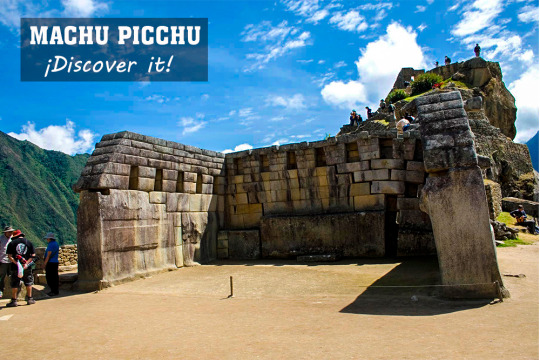
Bus ride to Machu Picchu lasts approx. 30 minutes and it follows a steep winding path, offering spectacular views of the surrounding mountains. Upon our arrival, we will get into the archaeological zone of Machu Picchu and our guide will show us the most important sectors of this great Inka City, such as the great Intiwatana, The Sun Temple, the urban sector, the agricultural sector among others. Machu Picchu was long thought to be legendary.
The guided tour in Machu Picchu will last about 2 hours, and afterwards you will have free time to explore the ruins on your own.
If you want to climb Huayna Picchu, a very popular climb with spectacular views, we recommend you to book preferably three months beforehand. (There is daily limit of 400 persons per day allowed to climb, so pre-book if you don’t want to miss out. Cost: $25) The round trip walking to the peak of Huayna Picchu is about an hour and a half. It is definitely worth it for the stunning views from the top! As an alternative to the Huayna Picchu climb you can choose to visit Machu Picchu mountain which gives the ancient Inka townsite its name. This is a new option that lets you see Machu Picchu archeological site from the highest peak. It is less crowded so you don’t have to book early. Cost: $25)
After visit this wonder. Depend of your time train tickets, you will take the bus down to Aguas Calientes, where you will have time for lunch and also to explore this colorful town that utterly filled with souvenirs shops, restaurants, bars, internet cafes etc.
In the night, you will take the train from Aguas Calientes to Ollantaytambo. According the time in your train tickets, return to Ollantaytambo, in Ollantaytambo the transfer is going to pick up you at the bus to return to Cusco.

MACHU PICCHU TOUR 2 DAYS

DAY 1: CUSCO – OLLANTAYTAMBO – AGUAS CALIENTES
We will start our Sacred Valley and Machu Picchu tour  with pick you up in your hotel at approximately 8:00 am after picking up additional passengers in your group, you will begin the 40 minute drive to Pisac in the Sacred Valley. On the way we will stop a couple times in order to see the beautiful landscapes and local Marquet Corao or Pisaq .
After we will continue to visit Urubamba and enjoy food there. (optional you can book your lunch with us day before departure) .
then we will go to Ollantaytambo and enjot the amazing templo of sun and the archeological site . In this place we will finish the tour approximately 4:30 p.m. then we need go to the train station because our train will leave at 16:36 pm or 7:00 p.m. (depent on availability - time will be confirm by e-mail) to Aguas Calientes you will go to the train station to board the train (Please you have to be 20 minutes before in the train station). This is a 2 hours approx. Journey to Aguas Calientes, where we will be waiting and settle you into the Hotel. Overnight in Aguas Calientes.  
Places we will visit in our Sacred Valley and Machu Picchu tour  on the 1first day:
  • Pisac Market
  • Corao view Point of Sacred valley
  • Pisac Archaeological Site
  • Urubamba ( Buffet lunch) Tunupa Restaurant . 25 USD.
  • Ollantaytambo Archaeological Site  
DAY 1: CUSCO – OLLANTAYTAMBO – AGUAS CALIENTES
In the Morning, we will have breakfast in the hotel,(optional you can take with you breakfast if for any reson you leave the hotel before 5:00 am) then you will take the bus up from Aguas Calientes to Machu Picchu, it takes 30 minutes drive up to the main gate to visit Machu Picchu.

When you arrive to Machu Picchu, you will meet with our Tour English or Spanish Guide and enjoy  the explanation for 2 hours approx. group tour exploring Machu Picchu.
After finish your journey  with the professional Tour Guide, you will have more time to spend in Machupicchu. Also if you booked a climb up Huayna Picchu or Machu Picchu Mountain you will have enough time to walk and have a different views of Machu Picchu Citadel.
All passanger after the guided tour will have the chance to explore Machu Picchu sitadel by their self.
In the afternoon you will have to go down to Aguas Caliente (return by bus or walking) to Aguas Calientes.
In the night, you will take the train from Aguas Calientes to Ollantaytambo. According the time in your train tickets, return to Ollantaytambo, in Ollantaytambo the transfer is going to pick up you at the bus to return to Cusco.
Final Bus stop in Cusco is at San Francisco or Regocijo Square near to the Main Square ( Plaza de armas).
Note: You can request to be drop off in your hotel, hostel or homestay. If you need that please send us the  Name and address.

MACHU PICCHU TOUR BY CAR

DAY 1: CUSCO - HYDROELECTRIC - AGUAS CALIENTES
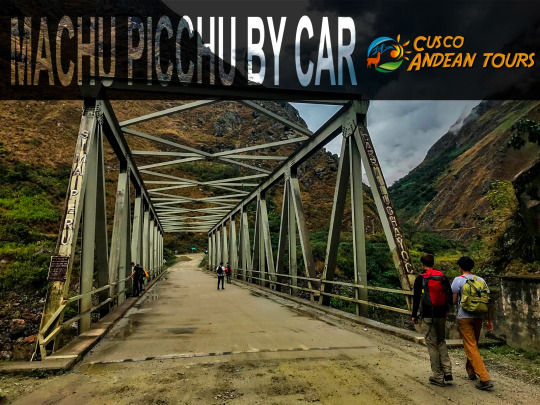
Our Agency will pick you up from your hotel or meeting point from 7:30 am to 8:00 a.m. To then start the Machu Picchu By Car tour, we will go through the Sacred Valley of the Incas, during this tour we appreciate different towns and climatic changes of the Andes to the tropical places, we arrive at Huaman Marca where a Buffet lunch awaits us , then we will continue with the tour of Machu Picchu By car to Hidroelectrica where we will start our walk until we reach the town of Aguas Calientes; the tour lasts 2 1/2 hours approximately.
Arriving at the town of Aguas Calientes (Machu Picchu), our guide will install them in their respective hostels with private bathrooms and hot water), in the evening we will have dinner and the indications of our guide about the visit of the Inca citadel of Machu Picchu , it is optional to go to the hot springs.
DAY 2: VISIT OF THE SANCTUARY OF MACHU PICCHU - RETURN TO CUSCO:
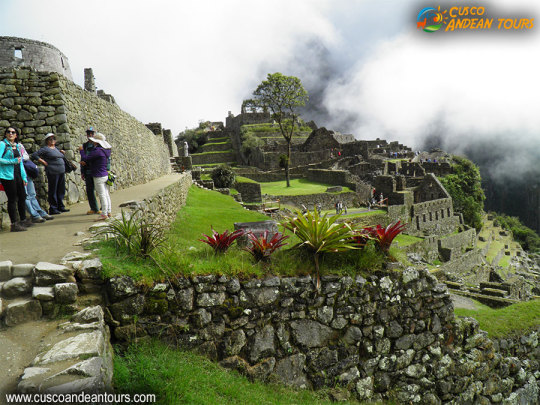

This time we will get up at around 4:00 in the morning towards the Inca citadel of Machu Picchu, the walk will last approximately 1 hour and 30 minutes, the main objective is to appreciate the sunrise from the citadel Inca and be the first to arrive, then we will have 2 hours of guided tour, at the end of your tour with the guide you will have free time to visit Machu Picchu on your own. After visiting Machu Picchu at around 11:30 am, we will return walking to Aguas Calientes town and then to Hidroeléctrica where our mobility will be waiting for us to return to the city of Cusco, this Machu Picchu By Car route is arriving to Cusco around 9:30 p.m.

miércoles, 18 de marzo de 2020

Important information of Machu Picchu

The discovery of Machu Picchu

Hiram Bingham ‘rediscovered’ the Lost City of the Incas in 1911. However, Machu Picchu was already known to some local families, long before the arrival of the Yale University professor.
According to the Cusco writer Américo Rivas, 9 years before the arrival of Hiram Bingham at Machu Picchu, the Peruvian farmer Agustín Lizárraga visited the Inca Citadel. In the place he left his name written as proof of his visit.
Hiram Bingham baptized Machu Picchu as the ‘Lost City of the Incas’, because when he arrived there; He believed that it was the city of Vilcabamba, the last refuge of the Incas after the conquest.
Bingham's team extracted a total of 40,000 artifacts from the Inca City of Machu Picchu to be taken to Yale University.
These objects included silver statues, jewelry, bones, ceramics, and even mummies. Most of these objects have been returned to Peru as of 2014.


Chosen Wonder of the World

Machu Picchu was declared in 1983 as a Cultural Heritage of Humanity by Unesco.
Machu Picchu was declared one of the new 7 Wonders of the World in 2007. In addition, the Taj Mahal, the Great Wall of China and four other impressive places were included.
Machu Picchu is the most visited tourist attraction in Peru, South America and one of the main destinations in the world.
Machu Picchu was chosen in 2016 as the best destination in the world in a vote by the users of the travel website ‘TripAdvisor’.

The construction of Machu Picchu

The ‘Lost City of the Incas’ is located in the middle of two mountains, 2,430 meters high. These two mountains seen from the ‘Casa del Guardián’ form the classic postcard of Machu Picchu.
Machu Picchu is a Quechua word (the language of the Incas) that means ‘Old Mountain’.
The City of Machu Picchu was built as a royal residence for the Inca and his family in the mid 1400 AD, by the Inca Pachacútec.
Since its re-discovery, more than 30% of Machu Picchu has been rebuilt to give a clearer idea of ​​what the structures originally looked like. The restoration continues today.
Machu Picchu was built around 1450 during the height of the Inca Empire. In 1572, a little over a century later, it was abandoned after the arrival of the Spanish.

The Inca Inca Citadel of Machu Picchu ’

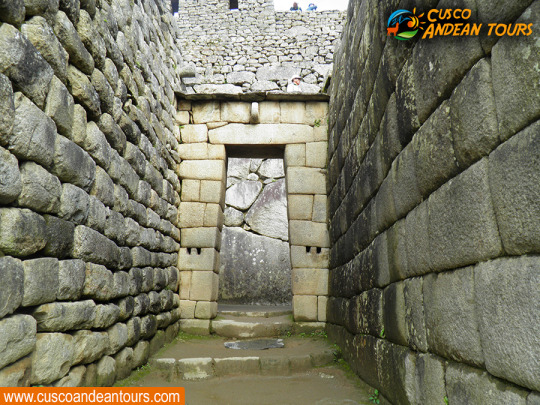
Machu Picchu buildings are made of stones that fit perfectly and have remained that way for more than 500 years without the use of any type of forge, mortar or glue. More Unformation Of Machu Picchu Tour
More than 50% of Machu Picchu is underground as a base for some buildings or as water channels and drains for rainwater, irrigation and consumption.
Machu Picchu is divided into 2 zones: agricultural and urban. It is estimated that just over 1,000 people lived in this city hidden in the mountains.
Machu Picchu was never finished, it was only abandoned. Thanks to this, the Spanish could not destroy or modify it as they did with other Inca cities.
Machu Picchu had enough water sources and enough terraces to comfortably support more than 4,000 people. This is four times the population that once inhabited the city.


The Inca Trail to Machu Picchu is considered one of the best walks in the world. Without a doubt, it is one of the most spectacular way to enter Machu Picchu.

The incredible Huayna Picchu mountain

The Machu Picchu National Park houses the Huayna Picchu mountain. This mountain is so popular that if you want to come in the high season, tickets must be reserved 6 months in advance.
To get to the top of the Huayna Picchu mountain you will go through trails and stairs. In some cases, the stairs are built on the side of cliffs several hundred meters away.
Just seeing the images of the Huayna Picchu road discourages many people. However, there have never been any accidents to regret.
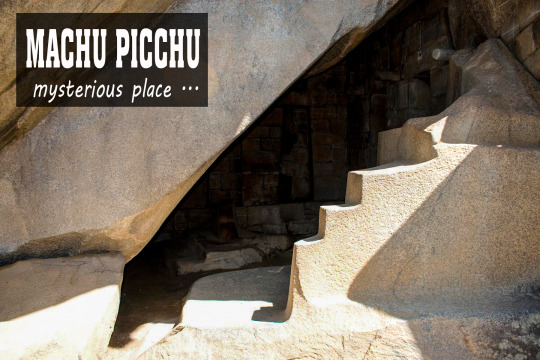
In the middle of the Huayna Picchu mountain is the Great Cavern or Temple of the Moon. The function is this mysterious construction in the middle of the cave is still a mystery.
Huayna Picchu is considered one of the most incredible short walks in the world. The entrance ticket is the most desired in Machu Picchu. Machu Picchu Tour Information

Machu Picchu in danger

There is a restriction to enter the airspace of the Machu Picchu National Park. Despite this, the Inca City was flown over by helicopter for Peruvian President Ollanta Humala in 2016.
There was a monolith in the Main Plaza of Machu Picchu. This was removed on two occasions for the plaza to act as a heliport. The first time for the kings of Spain and the second for a group of leaders of the Andean Community of Nations.
The second time this monolith was removed, it was destroyed and buried in the vicinity of the Main Plaza.
Machu Picchu is on the watchlist of the 100 most endangered historical monuments in the world.
Machu Picchu is the most important tourist attraction in Peru. This causes it to be continuously threatened by commercial forces that promote the construction of luxury hotels and tourist restaurants near the wonder.

The mysteries at Machu Picchu

Machu Picchu can surprise anyone who visits it for the first time. Especially when you consider that the construction of the city was carried out without using draft animals, iron tools or the wheel.
It is still a mystery how the huge rocks moved from the quarries (30 km), to the location of the Inca City on the mountain.
Many of these rocks weigh more than 150 tons. It is believed that they were pulled by hundreds of men, but this is unlikely, especially due to the rugged terrain and inaccessible city.
More and more people are coming to Machu Picchu in search of their energy.
The Intihuatana (Solar Clock) is an Inca structure located near the Main Plaza of Machu Picchu. It is believed to emit energy. Many tourists put their hand out to feel it.


5 things few know about Machu Picchu

Currently, there is a family that claims Machu Picchu as their property by inheritance. The dispute with the Peruvian state is in the courts of Cusco.
Machu Picchu was built with a stone assembling technique called ‘Sillar’. The perfect fit of its walls and its slight inclination is still maintained despite its location between two geological faults.
Unesco has set a limit of visitors per day. The objective is to preserve the Inca Citadel of Machu Picchu in the face of excessive tourism traffic.
Machu Picchu is still a mystery. A secret door was recently discovered where the tomb of Pachacutec, the Inca who ordered the construction of the Inca City, would be found.
From the top of Machu Picchu you can see a human face in profile in the conformation of the mountain. The face of an Inca!
Machu Picchu Tours

jueves, 12 de marzo de 2020

Best treks to Machu Picchu - cusco

INCA JUNGLE INFORMATION:
What is the Inca Jungle at Machu Picchu?
The Inca Jungle tour is a tour that departs from the City of Cusco and ends in Machu Picchu, after 4 days and 3 nights after carrying out a series of adventure sports such as: cycling, trekking, canoeing and zip line.
The Inca Jungle is one of the most popular tours in Peru.

What is the Inca Jungle route?


The Inca Jungle begins in the city of Cusco and ends in Machu Picchu.
During the journey you cross the Sacred Valley of the Incas, then enter the jungle eyebrow of Cusco to finally arrive at the Wonder of the World.
This is the route during the 4 days of the tour:
  • 1st. day: Cusco - Abra Málaga - Santa María Town.
  • 2nd. day: Santa María - Thermal baths - Santa Teresa town.
  • 3rd. day: Santa Teresa - Hydroelectric - Aguas Calientes town.
  • 4th. day: Aguas Calientes - Machu Picchu - Cusco.

What is the height during the Inca Jungle?
The Inca Jungle covers its highest point in the so-called ‘Abra Málaga’ (4,230 masl).
The lowest point is in the town of Aguas Calientes (2,000 m.a.s.l.), also known as Machu Picchu town.
Map of the Inca Jungle Machu Picchu
The Inca Jungle begins in the city of Cusco.
After doing various adventure sports, visit the Inca City of Machu Picchu.
The return to the city of Cusco is by train and bus.

LARES TREK INFORMATION:

What is the Lares Trek?

The Lares trek is an alternative path to Machu Picchu of 4 days and 3 nights, which runs through high Andean landscapes inhabited by Quechua peoples. This adventure tour is also known as the Circuito de las Tejedoras because during its journey, you learn the technique of ancestral yarns in native towns.


Lares: where is it located? How high is it?

Where is Lares located?
Lares is located in the Andes Mountains, in southern Peru. This district of Cusco belongs to the province of Calca.
How high is it?
Lares is 3,150 meters above sea level (m.s.n.m.).
What is the weather like in Lares?
The climate in Lares is temperate with cold at night. The average temperature is 11ºC. During the day, the heat can reach 21ºC. At night, temperatures can reach 1ºC.
How to get to Lares?
Lares is separated from the city of Cusco by 149 kilometers of highway. From this point, it is reached through a car trip that goes through the towns of Pisac and Calca in the Sacred Valley of the Incas.
What to see and do in Lares?
Lares has several tourist attractions such as:
  1. Lares thermo-medicinal baths.
  2. Mantto Falls.
  3. The hiking route to Machu Picchu.

HUCHUY QOSQO TREK INFORMATION:

This complex is the most important archaeological center in the Urubamba Valley, after Ollantaytambo and Pisac. The ruins are impressive, although the conservation of the site is inferior to that of Ollantaytambo or Pisac, because they are older. But unlike the aforementioned places Huchuy Qosqo has a peculiar architecture: the buildings have been built on polished stone bases of fine finish, with clay plaster (they are the best preserved parts) and the highest floors are made of adobe.


Useful Information
- Starting Altitude - 3800m / 12,467ft..
- Highest Altitude - 4300m / 14,107ft.
- Walking Distance - 18km / 11 miles
- Meals - 1 breakfast, 1 lunch, 1 dinner
- Overall Difficulty - Moderate
- STARTING POINT: - Cusco at your hotel

IMPORTANT INFORMATION:
  1. The Hispanic chronicles refer that Huchuy Qosqo (probably a place known in Inca times as Caquia Jaquijahuana) was the favorite work and place of the Inca Wiracocha.
  2. A kallanka of at least 40 to 50 meters long is observed. Also a remarkable building with two stone floors and one upper one of adobe. There are also large terraces, a very large square and a large Inca gate through which passes a very well preserved road that leads from Tambomachay.
  3. Machu Picchu is one of the 7 Wonders of the Modern World , Heritage of Humanity, Historical Sanctuary of Peru and probably the most important archaeological site in Latin America.
  4. Machu Picchu is majestic architecture comprises 140 structures throughout the citadel.
  5. Machu Picchu is was built by the Inca Pachacutec around the year 1460
  6. After being forgotten, it was only in 1911 that the American Hiram Bingham reached Machu Picchu on an expedition and spread the site worldwide.

Brief Itinerary

  1. - DAY 1: CUSCO – TAUCA – HUCHUY QOSQO – OLLANTAYTAMBO – AGUAS CALIENTES
  2. - DAY 2: MACHU PICCHU - CUSCO

lunes, 9 de marzo de 2020

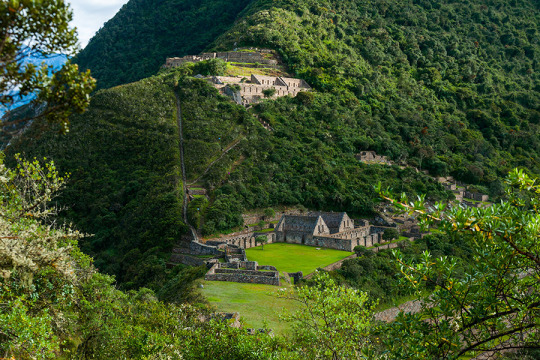
GENERAL INFORMATION OF THE ARCHAEOLOGICAL COMPLEX OF CHOQUEQUIRAO

Location

It is located at 13 ° 32 'south latitude and 72 ° 44' west longitude. It is located at 3035 m.a.s.l. in the foothills of the snowy Salcantay, north of the Apurimac river valley, in the province of La Convencion in the department of Cusco. It is approximately at a distance of 47 km. with reference to the town of Cachora (department of Apurimac).


We can mention that the Choquequirao environment is one of the richest in biodiversity. All these species have been conditioned despite temperature variations such as sun throughout the day and inclement frosts during the night. The fauna of the place is mainly composed of condors, tarucas, vizcachas, foxes, skunks, pumas, hummingbirds, spectacled bears and the popular rock cock, the national bird of Peru. Giant ferns, ichu and a great variety of orchids stand out in its flora, where the wakanki variety stands out. CLASSIC CHOQUEQUIRAO TREK INFORMATION

Weather

Because of its geographical position, Choquequirao has a warm climate alternated with cold temperatures at night. The average annual temperature is 17ºC.

History

During the Inca civilization it was a cultural as well as religious center for the region. Well, it is presumed that this citadel was used as a checkpoint to ensure access to the areas of Vilcabamba, which connected the jungle with other important centers such as Písac and Machu Picchu. It is also estimated that the citadel played an important role serving as a link between the Amazon rainforest and the capital of the Inca empire (Cusco).


At the time of transition that lasted approximately 40 years, Choquequirao is considered one of the last strongholds of resistance and refuge of the Incas, who by orders of Manco Inca, left the city of Cusco to protect themselves in the cities of the Vilcabamba region, when around 1535 Cusco was controlled by the Spanish. It was in this place (and in general throughout the Vilcabamba Valley) where Manco Inca and the last Inca descendants of Vilcabamba where they resisted the attack of the Spaniards, until the capture and execution of Túpac Amaru I that happened in the year 1572.

Biodiversity

The environment of Choquequirao is one of the richest in biodiversity, biologists, ecologists and experts mention it, however in this area, it is not known exactly the number of species in plants and animals that exist, despite this deficiency and From the few scientific studies carried out, it has been possible to determine the existence of various life forms.
Among the most relevant species are: Al condor, the fox, the skunk, the puma, the spectacled bear, the taruca, the vizcachas, the pica flowers, the tall toucan, the quetzales and the tigrillos. All these species have been conditioned despite temperature variations such as the sun throughout the day and the frosty during the night. This space can also be seen to the cock of the rocks, national bird of Peru.
The flora of the place is composed of giant ferns and a great variety of orchids, where the wakanki variety stands out. At the bottom of the great valley and under the thermal effect of the watercourse that runs through it, the forests of the mountain eyebrow provide their warmth and ideal conditions for a huge variety of coca, achiote, corn, cocoa, coffee and fruit crops.
From the environmental point of view, the main value of these presented ecosystems lies in the role played by the lush forests that grow in the high parts of the mountains for the maintenance of the water balance of the region, capturing rainwater and driving it without causing erosion towards the Apurimac river.
CHOQUEQUIRAO TREK TO MACHU PICCHU INFORMATION

sábado, 1 de febrero de 2020

visit within the Inca City of Machu Picchu

Description and distribution of the Inca City

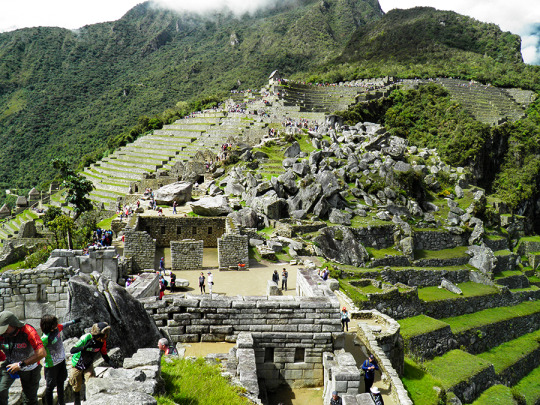
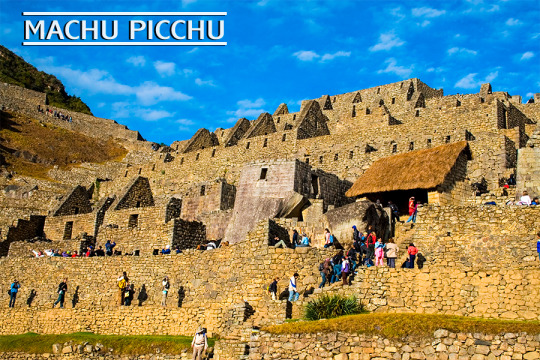
The Inca City of Machu Picchu, is located within the so-called Historic Sanctuary of Machu Picchu, the built area of ​​the Inca City is 530 meters long and 200 meters wide. It has 172 enclosures and the entire complex is divided into two large areas; following the architectural principles of Duality of the Inca Culture (those above or Hanan and those below or Hurin).


The Inca City is divided into two zones:
The agricultural zone, formed by sets of cultivation terraces.
The urban area, which is where the occupants lived and where religious activities were carried out.
Both areas are divided by a staircase that goes along the mountain. Each of these sectors, in turn are divided into sub-sectors Hanan and Hurin, which have 19 urban complexes (whose names were placed after their discovery), 13 agricultural complexes, a central plaza, 2 smaller squares and 8 roads. It should be noted that much of what is seen today is the product of recent restorations and reconstructions, as mentioned in the current archeology books, where 1919 images are compared with current ones.

What places to visit within the Inca City of Machu Picchu?

Just like other Inca cities or llaqtas, Machu Picchu also follows the principles of duality and quadripartition.
It is divided into two main sectors: the urban and agricultural sectors that are separated by the dry moat. Each of these sectors is divided into two sub-sectors: El Alto or Hanan and El Bajo or Urin that have 19 urban complexes (Residence of the nobility and specialists, temples, huacas, workshops, warehouses and others) , 13 agricultural complexes, a central square, 2 smaller squares and 8 roads. The east side of Machu Picchu, presents just over 60% of the whole of its construction.
"Machu Picchu" is the name given to an "Inca City" or "Llaqta", built in the mid-fifteenth century (1380 - 1400), on a mountain of 2490 meters above sea level, which is located within a cultural and ecological complex known as the Historic Sanctuary of Machu Picchu. The construction is attributed to the ninth Inca Pachacutec Inca of the Tahuantinsuyo between 1438 - 1470, and is considered as a representative work of Inca architecture and engineering was probably a Sacred City used exclusively as a Religious Sanctuary.
Machu Picchu, has been considered in 1983 as a World Heritage Site and on July 7, 2007, it was declared as one of the new seven wonders of the modern world.

jueves, 30 de enero de 2020

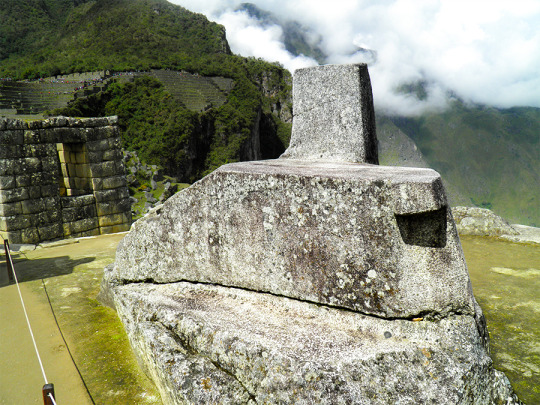
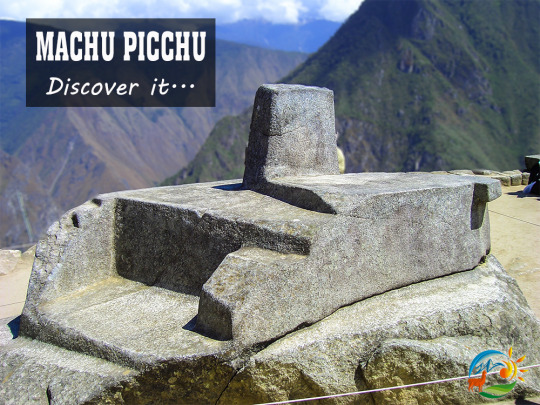
Intihuatana: the stone that radiates energy - MACHU PICCHU

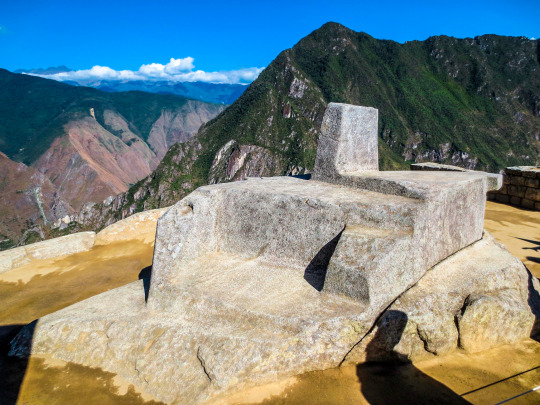
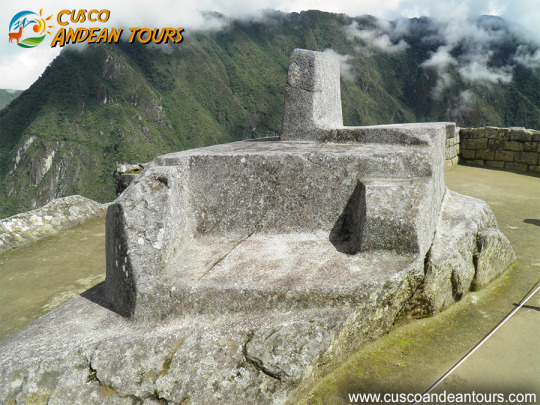
The structure known as the Intihuatana in Machu Picchu, is a “carved” rock on a rocky outcrop, located on top of the space known as the same name (Intihuatana); You can access it by a line of stairs. This incredible rock is characterized by presenting various polished planes with incredible accuracy and dexterity, it is carved in the same rock that serves as a pedestal. However, it is not only a carved (or molded) rock, but it also served as a solar clock and has been known for years as "the rock that radiates energy"; Although it is currently forbidden to touch it, it will be enough to put the palms of your hands a few centimeters to feel its energy.
More information Of Machu Picchu Tour


What is the Intihuatana?

It is a lithic piece in the shape of a polygon, has a height of 1 meter by 2 meters in diameter, carved in one piece; its different faces cast shadows, in relation to the movement of the sun and the different seasons of the year. The rock has some small stairs (for the priest to climb) and a table at the top, surely to put the offerings. The entire sculpture is dedicated to the sunrise; with it, the Incas could make precise observations of the movement of the sun, measurements of the weather and seasonal changes.
In this way they could verify exactly when the climatic changes would occur, possible variations and determined the beginning of the agricultural activities throughout the year; they also saw the movement of the stars and could calculate the time, thanks to the shadow produced by the carved pillar in the central part.

What does Intihuatana mean?

The literary translation of Intihuatana in Quechua native language is: Inti, which means "sun", and watana which means "to bind or tie up". The Intihuatana was designated as a place of astronomical observation, although it must have had a more religious significance due to its location among the main structures of the city, making it a perfect altar for the practice of sacred rituals. The Intihuatana, "where the sun is tied", is finely carved, with precise and mathematically defined cuts.

The pyramid of the Intihuatana


This incredible pyramid building is located in the “hanan” sector of the urban area of ​​Machu Picchu, exactly on the slopes of a hill designed to take the shape of a pyramid. This was possible after turning the skirts of the hill into overlapping terraces to take that pyramid shape.
You can access the Intihuatana through two long stairways located north and south of the building; one of them is formed by 78 steps exquisitely carved in the rock of the mountain, many of which are carved in a single piece of the rocky massif of the hill. Both stairways lead to a kind of open chamber, whose walls have the same detail in the work of their stones.
From this chamber you can reach the top of the building, which is surrounded by some of the most important places in the city, the sacred square or the temple of the 3 windows give it a spiritual character and a religious meaning.
In the middle of the chamber is one of the most fascinating structures of Machu Picchu; the "Intihuatana" was used as a tool for measuring the passage of time and for extensive astronomy studies. The Intihuatana is carved in such a way that it is an excellent tool for measuring time based on the movements of the sun; the shadows cast during the different summer periods mark exactly solstices and equinoxes.
It works as a solar hours meter because its four vertices are directed to the 4 cardinal points (north, south, east and west); the same method used today as a reference to mark a point in the global positioning system (GPS).

martes, 28 de enero de 2020

History of the main square of the city of Cusco

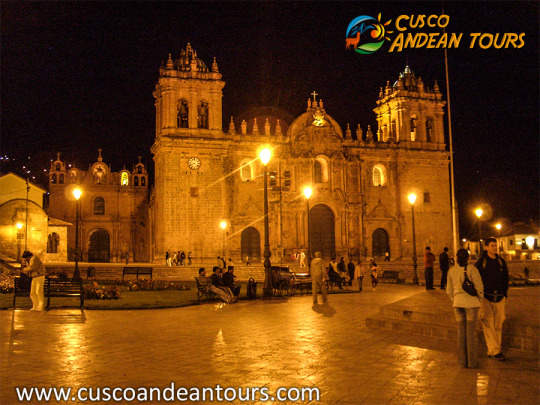
The place where the main square of Cusco is located, was in ancient times a swampy area, which during the time of the Incas was dried and transformed into an administrative, cultural and religious center of the Tahuantinsuyo Empire, after the conquest was occupied by the Spaniards, who surrounded it with temples and residences that were built on buildings and foundations of ancient Inca palaces and constructions; Tupac Amaru II was executed in the main square of the city of Cusco in 1781. It is currently the core of Cusco, and is surrounded by jewelers, travel agencies, tourist restaurants, and the same temples of the period of the conquest, merging the Andean and Hispanic architecture.


Controversy by the name of the main aquare of Cusco
The true Quechua name with which it was called the current main aquare of Cusco, at the time of the Incas, is still unknown. Authors such as María Rostworowski claim that she was called Aucaypata, place of the warrior; Other authors such as Víctor Angles say it was Huacaypata, the place of crying, and others such as the American George Squier (in 1863) say it was called Huacapata, a sacred place.
Víctor Angles, a student of the Inca culture, explains that the square was formed by two sectors: Huacaypata and Cusipata (all coincide in the name of the latter). Both denominations would have a symbolic meaning since the first means place of crying the second means place of rejoicing (at present, that place is still called Plaza Rejoicing). According to Angles, this was due to meditation ceremonies performed by the Inca nobility in the square. These rituals ended in tears. It is currently known as Huacaypata.

Historical review

The place where the main aquare of Cusco is located, was a swampy area dried during the time of the Inca empire, using sand brought from the coasts of the Empire; the drying is initiated by the Inca Sinchi Roca, and was concluded by the Inca Pachacutec. To talk about the main square of
Cusco
is to talk about a place full of history, which was initially a swamp, which over the years, became one of the main tourist attractions of the city of Cusco.
This square was the administrative, cultural and religious nucleus of the capital of Tahuantinsuyo, one of the largest empires in America and the World. With the arrival of the Spaniards, the main aquare was surrounded by temples and mansions, built on the structures of Inca palaces and buildings that existed there.
In this place, José Gabriel Condorcanqui Noguera (Túpac Amaru II) was also executed on May 18, 1781; Eminent character in Peruvian history, who revealed himself against the Spanish invasion. In the current main aquare of Cusco, you can find travel agencies, jewelers, tourist restaurants and temples dating from the colonial era.

The main aquare today

Currently, the main aquare is located in the historic center of Cusco, and is surrounded by tourist shops. The colonial temples built around it remain as such, some of them also function as museums.
The buildings mostly retain some Inca walls fused with the Hispanic architecture of the colony. The importance of the area makes it one of the most expensive in the city. In some cases, renting a store can cost up to $ 1,500 per month. A few years ago, fast-food restaurants like the American company McDonald’s and others like Bembos, KFC and Starbucks opened in the place.
The main square is still the place where many of Cusco's folk festivals are celebrated, such as Santuranticuy, Semana Santa, Corpus Christi, and other more modern ones, such as national holidays, Cusco parties, New Year, etc. It also holds free concerts, some parades of institutions and allegories, as well as political rallies.

viernes, 17 de enero de 2020

THE HISTORY THAT WRAPS TO THE PEOPLE OF PISAC: RUINS THAT KEEP SECRETS

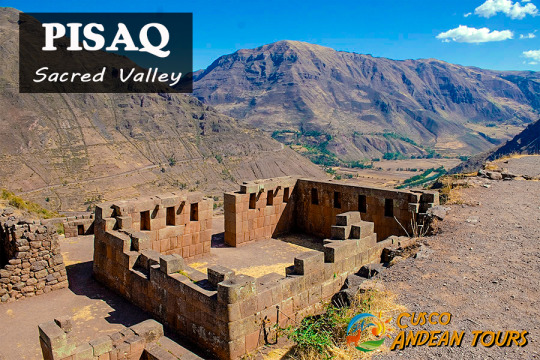
Pisac is a town that is located 30 km from Cusco, where we can find the ruins of the Sacred Valley that are part of one of the most important sites in terms of archeology. Its bases are based on a solid history, built with each piece rich in culture by the Inca communities.


A town with a lot of tradition, an Andean town built on indigenous remains from the time of Viceroy Francisco de Toledo, where you can perceive the culture in its people, traditions such as Quechua masses, cultural festivals, sculptures and archaeological buildings that make part of its charm and even the way crops are carried out with the application of astronomy, a science used in the past by its inhabitants.
Pisac that comes from the word Quechua pisaq or p'isaqaq, which means partridge, the same form that has the area for which it is very characteristic, in addition this term has a special importance, because it refers to spirituality, with the mystical , with the spiritual values ​​that the human being must develop.
This place is very distinctive in the country for its ancient stories that give it a unique value that enhances every part of its ornate houses, in which every detail is appreciated. This iconic town attracts millions of tourists every year for its attractive and cozy space, where we can find from restaurants with typical food, hotels, places where you can buy handicrafts made by the population to the square of Pisac, where there are a variety of things We can buy to take a nice memory. sacred Valley
The legends that have passed through the years are of astonishment and of great importance for those who visit the place, since they do not go unnoticed and always pay attention to emotions and senses.
One of his best-known stories is that of a peculiar statue that tells an Inca legend, in which the town chief named Huayllapuma had a daughter, called Inquill, whom he had to marry the man he could build, in just one night, the bridge over the river Vilacmayo (a bridge of great importance for the defense of the place). Despite the hard task, Asto Rímac (a handsome prince) decided to accept the challenge, and ask for the princess's hand. The authorities of the place arranged everything so that Asto Rímac began the work, while the princess had to climb a hill without turning; because, otherwise, she and her fiance would turn into stone. Almost at dawn, the prince had finished with the work, but Inquill, unable to bear more, turned around and was turned into stone until today.
What makes this place unique and special are its legends, which tell much more than a culture, it is a way of life that has been impregnated in people, in their homes, even in the way they perform different activities.

martes, 14 de enero de 2020

Important data of Machu Picchu

Machu Picchu - Cusco Peru One of the 7 wonders of the world Machu Picchu is in the middle of mountains of steep slope and is flanked by the deep canyon that forms the Urubamba River as it passes through this part of the Vilcanota basin.
The citadel of Machu Picchu is located at 2,360 m.a.s.l.
The landscape is formed by a series of hills and mountains of great slope, with almost vertical slopes and deep and narrow gorges where sound and turbulent rivers run.
Machu Picchu Cusco Peru
Machu Picchu - Inca City Every time we face a place whose written history does not exist, the temptation to imagine how it was and who were those who lived there in their time of splendor of the Inca citadel Machu Picchu is very great. Read more Inca City Description Machu Picchu The Inca citadel of Machu Picchu is located 130 kilometers north-west of Cusco, in the province of Urubamba, on the crest of the Machu Picchu hill. Archaeologists have divided Machu Picchu into 3 major sectors: Read more
Description of Machu Picchu Engineering It is necessary to point out that the Inca constructions of the Inca citadel of Machu Picchu were characterized by adapting their forms to the conditions of the land on which they settled. They reserved the natural flat soils for the fields of ... Read more Engineering Machu Picchu Natural environment The natural environment of Machu Picchu is forested, tropical and rainy. It is located in the middle of mountains of steep slope and is flanked by the deep canyon that forms the Urubamba River as it passes through this part of the Vilcanota basin ... Read more Natural Environment People of Machu Picchu Inca society had a rigid social structure in its ethnic and functional relations, from which power was born.
The class structure did not respond so much to the economic position ... Read more Machu Picchu Villagers Flora and fauna Due to its natural beauty, the original and harmonious intervention of the Incas in the landscape of Machu Picchu, this Inca citadel has been declared as a natural and cultural park that has been incorporated into the protected areas of the world and ... Read more Flora and fauna Urubamba Valley For the Incas the Urubamba Valley is the entrance to the jungle, the Antisuyo the land of the "chunchos".

miércoles, 8 de enero de 2020

SACRED VALLEY AND MACHU PICCHU

DAY 1: CUSCO – OLLANTAYTAMBO – AGUAS CALIENTES
We will start our Sacred Valley and Machu Picchu tour  with pick you up in your hotel at approximately 8:00 am after picking up additional passengers in your group, you will begin the 40 minute drive to Pisac in the Sacred Valley. On the way we will stop a couple times in order to see the beautiful landscapes and local Marquet Corao or Pisaq .
After we will continue to visit Urubamba and enjoy food there. (optional you can book your lunch with us day before departure) .
then we will go to Ollantaytambo and enjot the amazing templo of sun and the archeological site . In this place we will finish the tour approximately 4:30 p.m. then we need go to the train station because our train will leave at 16:36 pm or 7:00 p.m. (depent on availability - time will be confirm by e-mail) to Aguas Calientes you will go to the train station to board the train (Please you have to be 20 minutes before in the train station). This is a 2 hours approx. Journey to Aguas Calientes, where we will be waiting and settle you into the Hotel. Overnight in Aguas Calientes.  
Places we will visit in our Sacred Valley and Machu Picchu tour  on the 1first day:
  • Pisac Market
  • Corao view Point of Sacred valley
  • Pisac Archaeological Site
  • Urubamba ( Buffet lunch) Tunupa Restaurant . 25 USD.
  • Ollantaytambo Archaeological Site  
DAY 1: CUSCO – OLLANTAYTAMBO – AGUAS CALIENTES


In the Morning, we will have breakfast in the hotel,(optional you can take with you breakfast if for any reson you leave the hotel before 5:00 am) then you will take the bus up from Aguas Calientes to Machu Picchu, it takes 30 minutes drive up to the main gate to visit Machu Picchu.
When you arrive to Machu Picchu, you will meet with our Tour English or Spanish Guide and enjoy  the explanation for 2 hours approx. group tour exploring Machu Picchu.
After finish your journey  with the professional Tour Guide, you will have more time to spend in Machupicchu. Also if you booked a climb up Huayna Picchu or Machu Picchu Mountain you will have enough time to walk and have a different views of Machu Picchu Citadel.
All passanger after the guided tour will have the chance to explore Machu Picchu sitadel by their self.
In the afternoon you will have to go down to Aguas Caliente (return by bus or walking) to Aguas Calientes.
In the night, you will take the train from Aguas Calientes to Ollantaytambo. According the time in your train tickets, return to Ollantaytambo, in Ollantaytambo the transfer is going to pick up you at the bus to return to Cusco.
Final Bus stop in Cusco is at San Francisco or Regocijo Square near to the Main Square ( Plaza de armas).
Note: You can request to be drop off in your hotel, hostel or homestay. If you need that please send us the  Name and address.

lunes, 30 de diciembre de 2019

Historic sanctuary of Machu Picchu

The Historic Sanctuary - National Archaeological Park of Machupicchu (SHM-PANM) is a cultural and natural area inscribed on the UNESCO World Heritage List. With an area of ​​37302 hectares, it is one of the areas with the greatest biodiversity in Peru and houses more than 60 archaeological monuments articulated through a complex network of Inka roads.


The most important monument of SHM-PANM is the llaqta or Inka City of Machupicchu, which was planned and built around 1450 A.D. during the Inka Pachakuti government. The work demanded the participation of specialists in architecture, engineering and astronomy, in addition to a large number of labor. More than 50% of the effort required in its construction was used in the preparation of the land, foundation and drainage system. Its construction responds to the need of the Inka State to have a religious, political and administrative center within a sacred space considered the link between the Andes and the Amazon.
The llaqta of Machupicchu was abandoned during the second half of the 16th century; however, it was never lost since it was visited and occasionally inhabited. There are colonial documents that refer to the llaqta of Machupicchu as the "Seat of the Incas" or the "Old Town of the Inga Named Guaynapicchu." In 1874, the engineer Herman Göhring produced a cartographic document in which they are presented for the first time place names "Machu Picchu" and "Huaina Picchu." In 1911, Professor Hiram Bingham visited the llaqta and was impressed with its beauty and majesty. The following year, he returned with a multidisciplinary team of professionals who conducted excavations and research in the area.
Since the 1930s, the Peruvian State has been promoting research, conservation and enhancement of the Historic Sanctuary and the Machupicchu llaqta, which represents a masterpiece of art, architecture and engineering in perfect harmony with nature and is the most important legacy of the Inka civilization to humanity.

lunes, 9 de diciembre de 2019

MACHU PICCHU AND SACRED VALLEY

DAY 1: CUSCO – OLLANTAYTAMBO – AGUAS CALIENTES
We will start our Sacred Valley and Machu Picchu tour  with pick you up in your hotel at approximately 8:00 am after picking up additional passengers in your group, you will begin the 40 minute drive to Pisac in the Sacred Valley. On the way we will stop a couple times in order to see the beautiful landscapes and local Marquet Corao or Pisaq .


After we will continue to visit Urubamba and enjoy food there. (optional you can book your lunch with us day before departure) .
then we will go to Ollantaytambo and enjot the amazing templo of sun and the archeological site . In this place we will finish the tour approximately 4:30 p.m. then we need go to the train station because our train will leave at 16:36 pm or 7:00 p.m. (depent on availability - time will be confirm by e-mail) to Aguas Calientes you will go to the train station to board the train (Please you have to be 20 minutes before in the train station). This is a 2 hours approx. Journey to Aguas Calientes, where we will be waiting and settle you into the Hotel. Overnight in Aguas Calientes.  
Places we will visit in our Sacred Valley and Machu Picchu tour  on the 1first day:
  • Pisac Market
  • Corao view Point of Sacred valley
  • Pisac Archaeological Site
  • Urubamba ( Buffet lunch) Tunupa Restaurant . 25 USD.
  • Ollantaytambo Archaeological Site  
DAY 1: CUSCO – OLLANTAYTAMBO – AGUAS CALIENTES
In the Morning, we will have breakfast in the hotel,(optional you can take with you breakfast if for any reson you leave the hotel before 5:00 am) then you will take the bus up from Aguas Calientes to Machu Picchu, it takes 30 minutes drive up to the main gate to visit Machu Picchu.
When you arrive to Machu Picchu, you will meet with our Tour English or Spanish Guide and enjoy  the explanation for 2 hours approx. group tour exploring Machu Picchu.
After finish your journey  with the professional Tour Guide, you will have more time to spend in Machupicchu. Also if you booked a climb up Huayna Picchu or Machu Picchu Mountain you will have enough time to walk and have a different views of Machu Picchu Citadel.
All passanger after the guided tour will have the chance to explore Machu Picchu sitadel by their self.
In the afternoon you will have to go down to Aguas Caliente (return by bus or walking) to Aguas Calientes.
In the night, you will take the train from Aguas Calientes to Ollantaytambo. According the time in your train tickets, return to Ollantaytambo, in Ollantaytambo the transfer is going to pick up you at the bus to return to Cusco.
Final Bus stop in Cusco is at San Francisco or Regocijo Square near to the Main Square ( Plaza de armas).
Note: You can request to be drop off in your hotel, hostel or homestay. If you need that please send us the  Name and address.

viernes, 22 de noviembre de 2019

Recommendations to take into account before starting the Salkantay Walk to Machu Picchu.


1.-Before starting the Salkantay Trek you must book the tickets to Machu Picchu, especially if you want to climb some of the mountains
2.- The route is the same as with a tour, depending on the capacity of the hiker it could take more or less days.
3.- The ascent begins in Mollepata and it is recommended to bring both food and sleeping equipment for only five days, and thus avoid carrying excessive luggage. Among the necessary things you should bring: sleeping bags, shoes, backpack, jacket and trekking pants, hat or hat, water bottle, toiletries, snacks, waterproof jacket, sunscreen, water purifying tablets and cash .
If you decide to trek Salkantay to Machu Picchu through a tourist agency (recommended for your safety), they include professional and experienced tour guides, entrance tickets to Machu Picchu, breakfast, lunch and dinner, sleeping tents, necessary transports and horses for carry luggage
Before starting the Salkantay trek it is advisable to acclimatize in the city of Cusco one or two days. Due to the height, the ideal is to avoid consuming alcoholic beverages or very fatty foods. Although you do not need to be in excellent physical condition, try to do some exercises before leaving for the Salkantay trek.
Wear warm clothes, no matter what season of the year you travel, being the best time from April to October, which is the dry and safest time and although the days are sunnier, the nights are colder.
The difference between doing the Salkantay trek with an agency and doing it independently, not only lies in the price if there is also the possibility of suffering an accident, get lost or discouraged in half way. In addition, you will have to carry your luggage in tow, while with the tour the horse service is included for the transfer of luggage.
Whatever your decision, enjoy a wonderful Salkantay trek to Machu Picchu, do it in an organized and prudent way, and so you can enjoy an unforgettable trip and you can tell all your friends about your adventures.

miércoles, 13 de noviembre de 2019

The Qhapaq Ñan: Ancestral Inca Trail To Machu Picchu

The Qhapaq Ñan, is the word that defines the road system of the Inca Civilization and is definitely the best material test, which can give us an idea of ​​the magnitude of this empire, becoming one of the greatest achievements in indigenous America. An estimated 23 thousand km is calculated, although other studies say that up to 40 thousand km could be registered, from an extensive network of roads, built on one of the most rugged territories in the world, which communicates the cities and settlements of the state most important in America, before the Spanish invasion.


This network of roads crossed the Empire of the Incas, along roads drawn from north to south (from end to end) along the coast, mountains and jungle; through the Cordillera de los Andes, with small sections, which communicated from the east of its territory to the Pacific coast. Designed in harmony with the topography of the place, wide in some areas, very narrow in others, with completely cobbled sections and others simply of land.
Like all the important cities of the Empire, the city of Machu Picchu, connected to Cusco (capital of the Empire), through the Inca Trail that we have traveled so far, at least two important accesses to the Sacred City (Inca Trail and Camino Salkantay), although there may be two others; one that descended through the Urubamba valley from Ollantaytambo, and another that crossed the high part of the Andes. And together with these, a complex network of secondary roads, to communicate the existing settlements throughout the region.
The world-famous Inca Trail to Machu Picchu, is only part of this complex network of roads, which goes up the Urubamba river basin to the Inca City, named for being the most suitable name. At present it is considered by many, the most beautiful of all, for the complement present between its landscapes and its history, you can visit it in three or four days, on a perfectly planned tour.
This Inca Trail to Machu Picchu, allowed to join production sites, with storage and administration centers. It is located in the middle of the jungle, which provides adequate environmental conditions for the production of specific foods. It is very likely that the entire Empire was supplied from this area. Therefore, this road articulated Machu Picchu with the capital and this with the rest of the cities.
The gigantic network of roads of the Inca Empire (Qhapaq Ñan) was built with the main purpose of keeping a huge territory communicated, this allowed to mobilize armies very quickly for the time. But it had other very important uses, as it served as trade routes, acting as an economic articulator, in a civilization with a tendency to redistribution and exchange, in the same way that Machu Picchu's corn or coca reached Huánuco, In Huánuco, surplus production (potatoes and others) was redistributed in other locations, such as Machu Picchu. Another extremely important purpose was the representation of the central power of the empire, as it was thought ideologically; -Yes, I know Cusco because I have seen the road- Then, the road was the essential ideological representation of the power of the Empire, both economic and ideological.
This path, a means of communication and transport par excellence, fundamental in economic articulation and ideological dissemination, was essential for the existence of such a vast territory. It crossed the central squares of the main towns of the Empire, joining places of worship, commerce and administration, passing through water sources, an element (fundamental for life) that symbolized the goodness of Mother Earth and the reproduction of life.
And despite the information available, the Inca Trail is only a small branch of the Empire's road network, an important tourist attraction in Peru and one of the largest in the world. Although the fact in itself, of knowing new places, what we offer is fantastic, goes beyond a visit to the Machu Picchu Sanctuary in Peru; We offer an approach to the culture of the people who built those places, to the people who currently inhabit those places, their customs and their history. So you can transform visible material evidence into an experiential learning experience.

martes, 5 de noviembre de 2019

Frequently asked questions of the Inca Trail to Machu Picchu

When to book the Inca Trail to Machu Picchu?

The Inca Trail is one of the best walks on the planet. That is why there is a high demand for tickets. That is why you must reserve the income well in advance.
Consider the following before booking the ticket to the Inca Trail:


Admissions to the Inca Trail are depleted 6 months before. Remember that only 500 people can travel this route each day.
Only 200 people will end up entering Machu Picchu by this route, since the rest belongs to the support team, chefs, porters and guides.
The entrance to the Inca Trail only includes the Inca City of Machu Picchu. If you want to visit the Machu Picchu Mountain or the Huayna Picchu; Request it at the tourist agency.
The purchase of the income to the Inca Trail is through the website of an authorized tourism agency.

How long is the tour of the Inca Trail?

The Classic or Traditional Inca Trail is 40 kilometers away and 4 days of walking (approximately 18 to 24 hours). The route will take you through mountains, until arriving at Machu Picchu in the eyebrow of the Amazon rainforest of Peru.
Some information about the tour of the Inca Trail:
The route crosses archaeological sites such as Llactapata, Runkurakay, Sayacmarca, Phuyupatamarca and Wiñaywayna.
The end of the road is the entrance to Machu Picchu through the Intipunku (Puerta del Sol). That was the main gate in time of the Incas. The scenery there is amazing.
In most cases, after traveling the Inca Trail, you will return to Cusco by train.
Some people decide to stay and relax in the hot springs of Aguas Calientes to return to Cusco the next day.

What is the maximum height of the Inca Trail?

The Inca Trail is considered a difficult expedition not only because of the distance but because of the high altitude at some point along the way. The highest point on the road is at ‘Abra Warmihuañusca’, at 4,224 meters (13,860 feet).
Recommendations on problems with height on the Inca Trail:
The altitude sickness or soroche is a typical malaise in places of high heights. It can cause headaches, nausea, loss of appetite and lack of energy.
The best way to combat soroche is to spend a few days acclimatization in Cusco or the Sacred Valley of the Incas.
One of the most effective ways is to drink plenty of coca tea (infusion based on coca leaf) or chew it, just as the Incas did hundreds of years ago.
In any case, the tour guide has a lot of experience in these discomforts and will know how to help the visitor during the Inca Trail.

What is the best time to do the Inca Trail?

Cusco and the entire southern region of Peru is marked by two distinct climatic seasons: the rainy season (from November to March) and the dry season (from April to October). The best time to do the Inca Trail is the dry season. The weather in those months is warm and infrequently rainy.
What to take to combat the weather on the Inca Trail?
If you plan to visit the Inca Trail during the dry season, it is advisable to wear a hat, sunscreen, mosquito repellent, sunglasses, light clothing during the day and warm at night.
If you plan to visit the Inca Trail during the rainy season, it is recommended to wear rain poncho, windbreaker, non-slip shoes and walking stick.

Does the walk have to be 4 days?

There is a short version of the Inca Trail that lasts 2 days. This option is ideal for travelers who do not have enough time to make the 4-day route. It often includes a night in a comfortable establishment instead of camp.
More information about the alternative Inca Trail:
There are many alternative walks to Machu Picchu such as Salkantay Trek or Lares Trek. However, the Inca Trail is the only one that will take you directly to the Inca City through the Intipunku (Puerta del Sol).
The availability of income to the alternative Inca Trail is not as much in demand as the classic version. It can be booked 2 or 3 weeks in advance.
Is the Inca Trail dangerous?
The Inca Trail is not dangerous. The security measures provided include first aid equipment. The tour guides are trained to act effectively in case of any type of emergency.

What dangers can there be on the Inca Trail?

The Inca Trail trails are wide and well signposted. For no reason should tourists risk their lives looking for roads on their own.
The maximum height is in the ‘Abra Warmiwañusca’ (4,200 m.a.s.l.). This altitude can cause physical difficulties.
Older adults may feel more intense physical wear during the Inca Trail. They should check with their doctor before doing the walk.

miércoles, 30 de octubre de 2019

ALL TOURS IN CUSCO TO MACHU PICCHU

CITY TOUR CUSCO

The tour starts at the impressive COLONIAL CATHEDRAL in Cusco that contains over 400 paintings from the Cusquenian School, several altars.
Qoricancha:
Qoricancha is the inkas's main temple , this is a nice place to start learning about inka culture, inkas call this place (golden place), Santo Domingo conventis next to qoricancha, Here is a perfect example of the fusion of Inca and Christian culture.
Sacsayhuaman Archaeological Site:
After your tour in the city, we will take the bus and drive to the impresive Inca Sacsayhuaman, where you will be amazed by the rocks used for construction, some of them weigh more than 300 tons and beautiful view of cusco city,
Qenqo Archaeological Site:
The tour continues with the discovery of the underground temple of Qenqo, (labyrinth) with impressive rock carvings and tunnels carved into the solid rock. This religious temple is dedicated to the worship of mother earth and mystical gods..
Puka Pucara Archaeological Site:
After a few minutes ride we will see a small fortress of Puka Pucara (red fortress) used as military control entrance gate to Cusco (inka's capital) .
Tambomachay Archaeological Site:
Walking for few minutes we will arrive at Tambomachay (water temple), temple dedicated to worship the water, fertility and eternal youth.after this amazing tour ,We return to Cusco city at the end of the day around 6:00 pm to 7:00 pm.

SACRED VALLEY

We will go to Pisac where you can see impressive agricultural terraces all over the place. After we will go back to the town of Pisac, where there is a peculiar market that deserves to be visited. At the market you will have free time to walk around and do some shopping. Afterwards we will go to the Urubamba where we have Our Lunch.
After We will go along the Urubamba River towards the town of Ollantaytambo. In there. we will visit the archeological site of Ollantaytambo, an important Inca construction built during the Inca's heydays. This is an extraordinary Inca place where besides the ruins you may also see an amazing rock formation representing the Inca god Wiracocha. On the way to Cusco we’ll visit the picturesque town of Chinchero where we will see the remains of the royal house of Tupac Inca Yupanqui, the beautiful colonial temple with interesting frescoes on the front gate (this place was built on the foundations of an Inca construction). We can also admire the well-preserved Inca walls in the main square of the town.
Finally, we return to the city of Cusco, arriving at around 18:30 h.

Machu Picchu


We will pick up you in the early morning from your hotel and then transfered to the train station in Ollantaytambo, you will take the train to Aguas Calientes, enjoy the train, the landscapes. Then we will arrive to Aguas Calientes, where a representative from our agency will welcome you and then will escort you to the local bus station to catch the bus that goes up to Machu Picchu.
Bus ride to Machu Picchu lasts approx. 30 minutes and it follows a steep winding path, offering spectacular views of the surrounding mountains. Upon our arrival, we will get into the archaeological zone of Machu Picchu and our guide will show us the most important sectors of this great Inka City, such as the great Intiwatana, The Sun Temple, the urban sector, the agricultural sector among others. Machu Picchu was long thought to be legendary.
The guided tour in Machu Picchu will last about 2 hours, and afterwards you will have free time to explore the ruins on your own. MACHU PICCHU TOUR
If you want to climb Huayna Picchu, a very popular climb with spectacular views, we recommend you to book preferably three months beforehand. (There is daily limit of 400 persons per day allowed to climb, so pre-book if you don’t want to miss out. Cost: $25) The round trip walking to the peak of Huayna Picchu is about an hour and a half. It is definitely worth it for the stunning views from the top! As an alternative to the Huayna Picchu climb you can choose to visit Machu Picchu mountain which gives the ancient Inka townsite its name. This is a new option that lets you see Machu Picchu archeological site from the highest peak. It is less crowded so you don’t have to book early. Cost: $25)
After visit this wonder. Depend of your time train tickets, you will take the bus down to Aguas Calientes, where you will have time for lunch and also to explore this colorful town that utterly filled with souvenirs shops, restaurants, bars, internet cafes etc.
In the night, you will take the train from Aguas Calientes to Ollantaytambo. According the time in your train tickets, return to Ollantaytambo, in Ollantaytambo the transfer is going to pick up you at the bus to return to Cusco.

sábado, 26 de octubre de 2019

Information of The Llaqta of Machu Picchu

The llaqta (city) of Machupicchu is an Inka political, religious and administrative center, which includes temples, platforms, houses and water channels.


Where it is located?
The llaqta of Machupicchu is located in the district of Machupicchu, province of Urubamba, of the Cusco region, at the height of km. 112.5 of the railway line and it was a graben between the mountains of Machupicchu and Waynapicchu.
History and architecture
Built during the first half of the fifteenth century, Machupicchu is divided into two large areas: the agricultural one that comprises a vast network of artificial terraces or terraces, and the urban one formed by various constructions and squares among which the temples of the Sun, of the Three Windows, of the condor and the main temple.
Important data:
- The Historic Sanctuary - Machupicchu National Archaeological Park was included in the UNESCO World Heritage List as a mixed cultural and natural heritage, due to its exceptional universal value, considered as an important political, religious and administrative center of the Inca era.
- Its temperature ranges between 6.2 ° C 29.5 ° C, since it is located in a subtropical zone. Its rainiest months are from November to March.
- Its majestic architecture comprises about 140 structures throughout the Inka llaqta.
- The average altitude of the llaqta is 2 450 m.a.s.l.
- His scientific discovery is attributed to the researcher Hiram Bingham, who was in search of the last capital of the Incas of Vilcabamba.
- Machupicchu was declared "Historic Sanctuary of Peru" in 1981.

lunes, 23 de septiembre de 2019

Cusco Andean Tours: the cheapest route to get to Machu Picchu


If you want to start organizing your trip to Machu Picchu know that you do not necessarily have to enter the Inca trail or by train; Moreover, these routes are out of reach of travelers who are fair with the budget. This is the reason we made this post, we will show you the cheapest way to get to Machu Picchu, through Santa Teresa.
Arrive in Machu Picchu through Santa Teresa
There are four ways to get to Machu Picchu and all depart from the city of Cusco, it is a city through which you will have to go to get to Machu Picchu. But do not be overwhelmed if you did not find income to the Inca Trail or if by checking the availability of train tickets, only the most expensive tickets remain; There is a cheaper route through which for some time many people are entering Machu Picchu.
The route through Santa Teresa is the cheapest and least frequented route to get to Machu Picchu, you can also do it on your own on public transport or on an organized tour. We explain both options.
Arrive at hydroelectric on an organized tour
On an organized tour, you will board a van that will take you from the city of Cusco to the town of Santa Teresa, the roads run through ravines of hundreds of meters; Ok, it's not the most relaxed trip in the world but the views are spectacular. After a stop in Santa Teresa to eat, continue for some time to the hydroelectric train station, the trip can be somewhat tedious, so good cheer and good music.
Once the hydroelectric begins the walk following the train tracks to the town of Aguas Calientes, they are 10 kilometers long and can be done in two or two and a half hours. Enjoy this route because you can see landscapes flooded with plants and animals (birds).
The end of the route is the town of Aguas Calientes, there you will stay in a hotel and meet with the rest of the group for dinner, after this you can enjoy the town but only for a moment, because the next day you will have your visit to the Inca city of Machu Picchu. From the town of Aguas Calientes (Machu Picchu town) you can reach the entrance gate of the national park by bus or walk up, if you choose to go up by bus, you will find the ticket office before the Ruinas bridge, very close to the final train station to Macchu Picchu. In any case we must arrive early to Machu Picchu.
Tip: Before going to rest for the day to climb Machu Picchu, buy water and groceries, believe us, they are very necessary for your tour of the Inca city.

domingo, 8 de septiembre de 2019

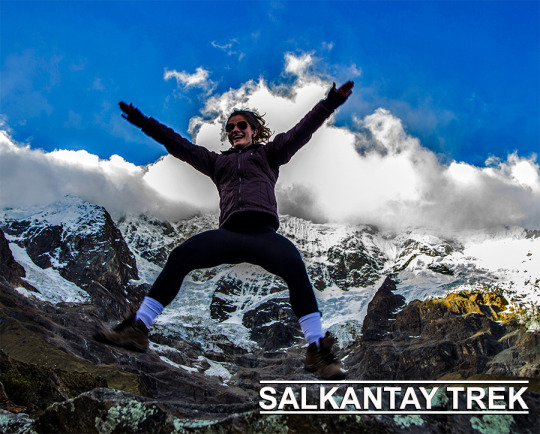
SALKANTAY ROUTE TO MACHU PICCHU

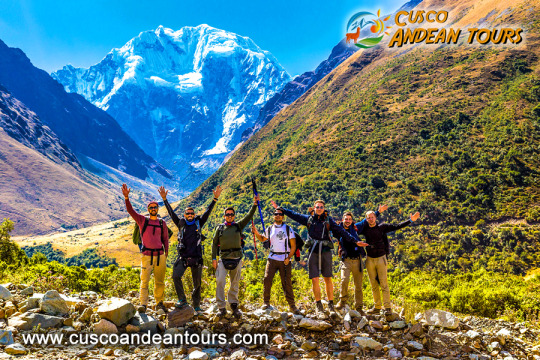
The Salkantay Road to Machu Picchu combines a majestic natural beauty scene of great beauty with the attraction of the world's most famous prehispanic remains. The route begins by sailing through the incaic old road in the road that leads to the town of Machu Picchu and through a cordillera pasture between the snowy Salkantay and Humantay (5,917 msnm), to continue along the broken Aobamba River. from Machu Picchu.


This impressive tour passes through the magnificent mountain Salkantay (6.710 m / 22.014 ft), one of the highest and most impactful of the Peruvian Andes. The earliest of the days will be dominated by the impressive snowfalls of Salkantay and Humantay. The third day will descend to the warm cloudy forest to reach Aguas Calientes the fourth day. The impressive sacred city of the Incas Machu Picchu visits during the last day of the program. This excursion is an interesting alternative for those who have not found space on the Camino Inca route to Machu Picchu. The Salkantay tour was recently named by the National Geographic Adventure Travel magazine among the 25 best tours in the world.
Story
The Andes are considered a young mountain cadre according to geological studies. They were formed 60 million years ago by the different movements of tectonic plates, so that the location of Cusco in the Andes has one of the best places for hikers. Each mountain range and its noble inhabitants, maintain a special landscape. This variety of landscapes and people, combined with the unique history of their ancestors, the Incas, offers hikers and explorers a true adventure.
Climate
Semi-tropical, warm and humid days and cold nights with constant rain throughout the year
Minimum: Between -5 ° C to 11 ° C Abra Salkantay (Junio)
High: Between 20 ° C to 26 ° C Playa Sahuayaco (Junio)
Lluvias: November to April
Altitude
Capital: 3,350 m.s.n.m. (Cusco)
Minimum: 2,000 m.s.n.m. (Aguas Calientes)
Maximum: 4,650 m.s.n.m. (Open Salkantay)
Recommendations
He would need acclimation in Cusco of the days before he began the trip. For a good acclimatization you need to rest as bad as possible, eat well, drink plenty of fluids; It is especially the coca mate that has been known to cure and digestive properties. A proper acclimatization avoids that it affects the “soroche” the evil of height, that could cause numerous illnesses to the health.
Camino Inca access routes
To start the first Camino Salkantay you must take a bus by bus to Poblado de Mollepata. An Andean town that preserves its former colonial houses and the farms of its former inhabitants. This is where Salkantay Machu Picchu trekking starts. Mollepata is located in the district of Mollepata and is 2 h 2 min (98.2 km) away by Carretera and one of the 9 districts of the province of Anta, located in the region of Cusco.
Location and Geography
The location of Camino Salkantay varies according to the route planted: The Camino Inca Salkantay route begins on the Mollepata pathway crossing CruzPata, Sayllapata, Soraypampa, and Abra Salkantay along the top of the receding road approximately 71 km. In five days you will reach Machu Picchu.
Denominations
The Camino Salkantay is an alternate route to the traditional Inca Camino that serves as a communication between the city of Cusco and the archaeological site of Machu Picchu and is therefore one of the most demanding trekking routes in Cusco. Each year the hikers from around the world resort to the wondrous 71 kilometers by a well-known road so that you have to show them that it goes from going up the Salkantay to 4600.msnm and wading through the jungle and reaching it city ​​of Machu Picchu.

jueves, 22 de agosto de 2019

FULL INFORMATION OF INCA TRAIL

Inca Trail to Machupicchu
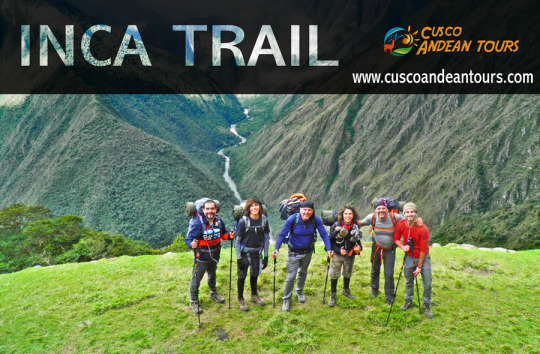
One of the main attractions along the route is the ancient network of settlements built in granite rock by the Incas such as Wiñay Wayna and Phuyupatamarca immersed in an overwhelming natural setting. Hundreds of varieties of orchids, multicolored birds, and dreamlike landscapes provide the ideal setting for a route that the walker should walk at least once.


Description of the Inca Trail to Machupicchu route

Based on the traditional 4 days / 3 nights
The total distance of the road is approximately 39.6 km and starts at km 82 at the place called Pisqacucho. To start the road you should cross a bridge, then head to the left side through a eucalyptus orchard and start the day calmly.
Almost immediately you will meet the archaeological complexes of Q’ente, Pulpituyoc, Kusichaca and Patallaca. From that last point you will continue the path along the left bank of the Kusichaca River in the area with the same name where you will not only see the bridge but also find tombs, aqueducts, terraces, roads and a canyon. You will continue until you reach the small town of Wayllabamba and Inca aqueducts. It takes about 4 hours to reach 9 km from this point. One will camp there the first night.
The second day is more difficult, because the walker will have to climb up to 4,200 meters, crossing the passage of Warmiwañusqa, the first and the highest. If you suffer from “soroche” (altitude sickness) it is best not to stop or descend quickly to the Pakaymayu river valley, where you can camp. This place is 7 km away and is approximately 8 hours away.
The third day is the longest but the most interesting. You will be ready to visit the most impressive complexes such as Runkuraqay, the second step at 3,800 meters above sea level, its complex yellowed with niches that were perhaps a small place to rest, guard posts and places for worship after crossing the Second step you descend to Yanacocha (The Black Lagoon) and then climb a path with stone steps to reach another group of buildings which attract the attention of visitors. This point is called Sayaqmarka a pre-Hispanic complex with narrow streets, buildings erected on different levels; sanctuaries, courtyards, canals and an outer wall of protection. At the top of the buttresses one can observe many constructions which lead to suppose that once it was a temple and an astronomical observatory, which had a permanent supply of water and excellent food stores.
Sayaqmarka is a place full of mystery and charm. The approximate distance to Runkuraqay is 5 Km. Which takes 2 hours. This complex extends to 3,600 meters above sea level. There is an excellent trail and a tunnel through this complex. We recommend camping near the ruins of Phuyupatamarca or 3 km later in the visitor center of Wiñay Wayna, where one can buy food and drinks or make use of hygienic services. The ruins of Phuyupatamarca are better preserved than we have seen before.
On the fourth day, which will start around 5:00 A.M., the walker arrives in Machupicchu around 7:00 A.M. after 8 km of hiking through the jungle. Follow the indicated route and drink some water at the Wiñay Wayna Visitor Center. The path is clearly marked but try to avoid getting too close to the edge of the cliff.
It is forbidden to camp in Inti punku. You will leave your equipment at the control gate and enjoy the most important monument in this part of the continent. You will have time to visit Machupicchu until noon. Check the train schedule to return to Cusco.
If you plan to stay in the town of Machupicchu (also called “Aguas Calientes” The distance from the station to the ruins bridge to Machupicchu is 2 Km. This takes about 20 minutes down a narrow path, which runs parallel to the line railroad
Archeology
Apart from all that has been mentioned, there is also the cultural heritage of the Incas. The Inca Trail which was well built, crosses the dense forests and deep canyons. There are 18 archaeological complexes along the way which can be seen in all their splendor.
These are composed of homes, irrigation canals, agricultural terraces, walls and sanctuaries, which are an irrefutable proof of the existence of important human settlements.
Facilities for tourists- Inca Trail to Machupicchu
Accommodations in Machupicchu- Hotels in Machu Picchu
There are many accommodation alternatives, from 20 dollars a night to more than 600 dollars a night.
Aguas Calientes
Located at a distance of 800 m. To the east of the city of Machu Picchu, there are underground sulfur hot springs that flow from the rock at different temperatures. The specially constructed swimming pools suitable for the use of mineral hot baths. The average water temperature ranges from 38 ° C to 46 ° C. There is also a change of rooms, sand baths and small cafes.
Train to Machu Picchu
To reach kilometer 82 one can go by train from Cusco or Ollantaytambo. Another alternative to reach kilometer 82 is by car transport to Km. 82.
Road transport
The only way to return from Machu Picchu or Aguas Calientes to Cusco is by train. Check the available train schedules.
Tourist transport to Machupicchu
There is a fleet of minibuses that link the Puente Ruinas station via a winding and narrow road to the highest hill of the Machu Picchu Complex. The driver takes approximately 20 minutes to get there and another 20 minutes to return.
The service goes every day, however the frequency depends on the number of tourists.
There is a road between the Puente Ruinas and the Machu Picchu complex. The walker takes approximately 1 hour.