Mostrando entradas con la etiqueta peru. Mostrar todas las entradas

lunes, 27 de abril de 2020

ALTERNATIVE TREK TO MACHU PICCHU - LARES TREK AND INCA JUNGLE

LARES TREK

Lares: where is it located? How high is it?

Where is Lares located?

Lares is located in the Andes Mountains, in southern Peru. This district of Cusco belongs to the province of Calca.
How high is it?
Lares is 3,150 meters above sea level (m.s.n.m.).
What is the weather like in Lares?
The climate in Lares is temperate with cold at night. The average temperature is 11ºC. During the day, the heat can reach 21ºC. At night, temperatures can reach 1ºC.
How to get to Lares?
Lares is separated from the city of Cusco by 149 kilometers of highway. From this point, it is reached through a car trip that goes through the towns of Pisac and Calca in the Sacred Valley of the Incas.
What to see and do in Lares?
Lares has several tourist attractions such as:
Lares thermo-medicinal baths.
Mantto Falls.
The hiking route to Machu Picchu.
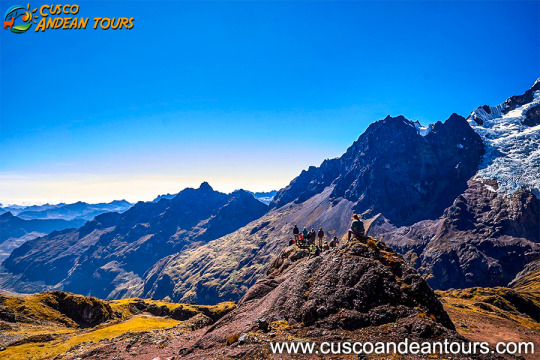
Lares is famous for being the starting point of the so-called Lares Trek, a route that leads to Machu Picchu on a 4-day, 3-night road.

More about the Lares Trek

Is it difficult to do the Lares Trek?
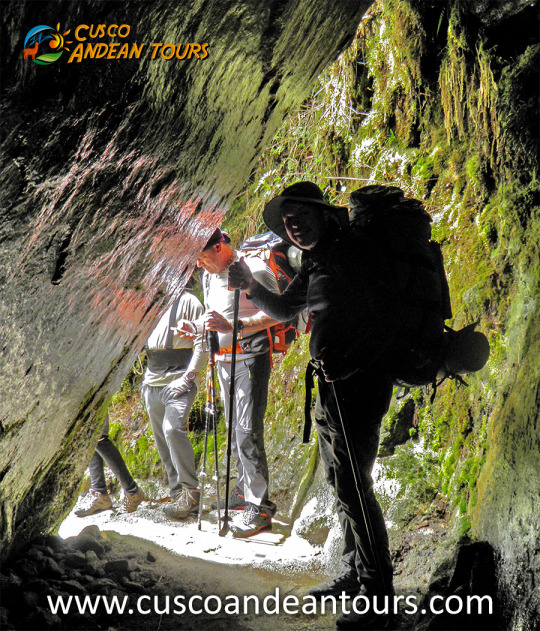
The Lares Trek has a medium difficulty. Compared to the Inca Trail or the Salkantay Trek, this route is less arduous. The only difficulty is altitude sickness, due to trails located in high altitude geographies.
When is the best time to do the Lares Trek?
The best time to do the Lares Trek is during the dry season (from April to October). In those months, the sky is clearer and there is less chance of rain. Therefore, the roads are in better condition for hiking.
How to fight altitude sickness on the Lares Trek?
One of the biggest difficulties during the Lares Trek is altitude sickness (also known as 'soroche').
The best way to combat this disease is acclimatizing to the city of Cusco a few days before the trek.
Another option is to drink plenty of water. Coca tea, for example, is a drink based on coca leaf that effectively fights the ailments and symptoms of soroche.
The Incas, as well as the inhabitants of the Andes to this day, chew coca leaves as a remedy for this and other ailments.
Is it possible to do the Lares Trek on your own?
There is no restriction for a visitor to be encouraged to do the Lares Trek on their own. However, unlike other hikes like the Salkantay Trek or the Choquequirao Trek, the trails are not well signposted, making it difficult to stay on course.
To do the Lares Trek on your own you must understand the route to follow. For this, a good map would be effective. Furthermore, the inhabitants that inhabit this region are mainly Quechua speakers.
What to bring to the Lares Trek?
The tour services that lead to the Lares Trek include the basic implements such as tents, food and a pack horse.
In addition, it is recommended to bring the following:
  1. Sleeping bag.
  2. Trekking poles.
  3. Hat or cap.
  4. Sunscreen.
  5. Warm clothes during the nights.
  6. Light clothing during the day.
  7. Poncho for rains.
  8. Bottle with water
  9. Hiking shoes.
  10. Bath clothes (for Lares thermo-medicinal baths).
  11. Snacks
  12. Photographic camera.
  13. Extra money.

Recommendations during the Lares Trek
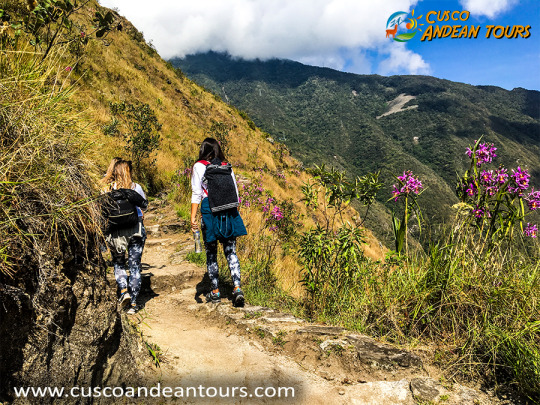
The Lares Trek is the route that crosses high-altitude landscapes until you reach Machu Picchu. On the route you can see the beautiful landscapes and indigenous peoples with ancestral traditions.
For a perfect trip it is recommended:
Acclimatize to the city of Cusco before doing the trek. Thus, the symptoms of altitude sickness will be avoided.
It is not necessary to be in optimal physical shape to perform the Lares Trek. However, a little pre-workout before the hike would do.
Chewing coca leaf during the tour (as the Incas did hundreds of years ago). Another alternative is to take a pill against soroche before starting the trek.
The Lares Trek is a great opportunity to learn about the way of life of the peoples that inhabit the Andes.
These people offer their products made from alpaca fiber at lower prices than the stores in Lima, Cusco or other countries.

INCA JUNGLE

What is the Inca Jungle at Machu Picchu?
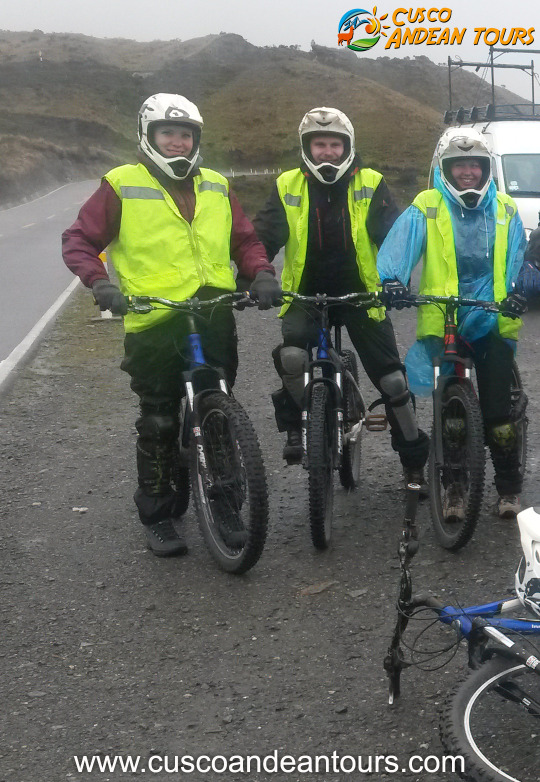
The Inca Jungle tour is a tour that departs from the City of Cusco and ends in Machu Picchu, after 4 days and 3 nights after performing a series of adventure sports such as: cycling, trekking, canoeing and zip line.
The Inca Jungle is one of the most popular tours in Peru.
What is the weather like during the Inca Jungle?
The climate during the Inca Jungle is varied.
The coldest point is in Abra Málaga (average temperature of 9ºC during the day). Then we descend to the tropical climate of the jungle eyebrow.
The warmest point is in the town of Santa Teresa (day temperature up to 26ºC).
What is the flora and fauna like during the Inca Jungle?
The Inca Jungle is characterized by the beautiful landscapes during the tour.
Along the way you can see vizcachas, llamas, spectacled bears, cock of the rocks and a wide variety of orchids.
In addition, plantations of bananas, mangoes, oranges and more are crossed.
Does 4 days seem too long for the Inca Jungle? There is another 3-day service, which accelerates the pace of the walks to reach Machu Picchu earlier. However, the most popular Inca Jungle tour is the one that lasts 4 days.
What sports does the Inca Jungle include?
The Inca Jungle includes the following adventure sports:
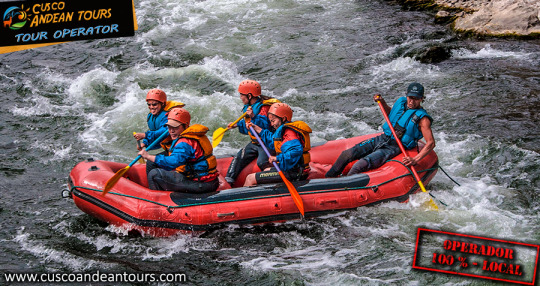

  1. Cycling (included).
  2. Hike (included).
  3. Canoeing (not included).
  4. Zipline (not included).
Who can do the Inca Jungle?
The Inca Jungle is available for tourists of all ages.
However, the tour is recommended for tourists in good physical shape.
Older adults should consult their doctor before the tour.
Minors must be accustomed to physical efforts and take the tour in the company of their parents.

viernes, 3 de abril de 2020

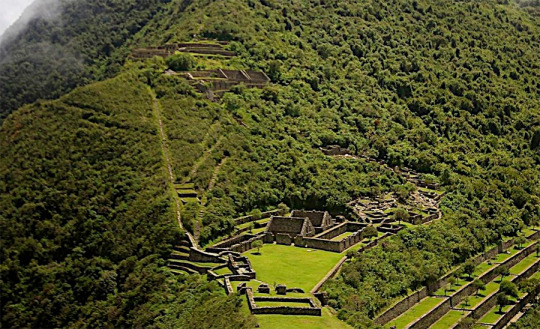
Where is Choquequirao, the lost city of Peru?

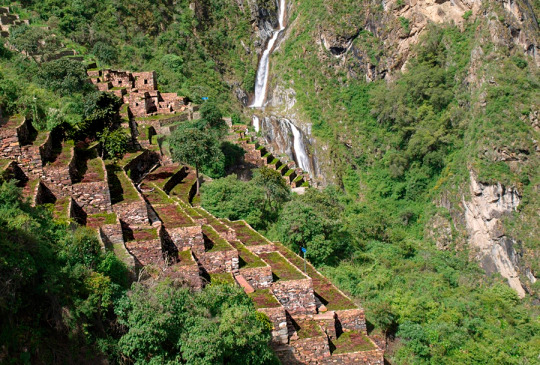
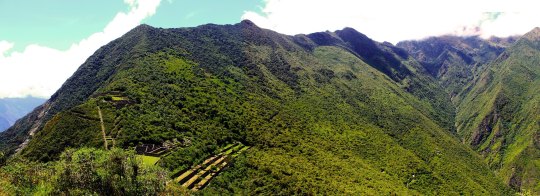
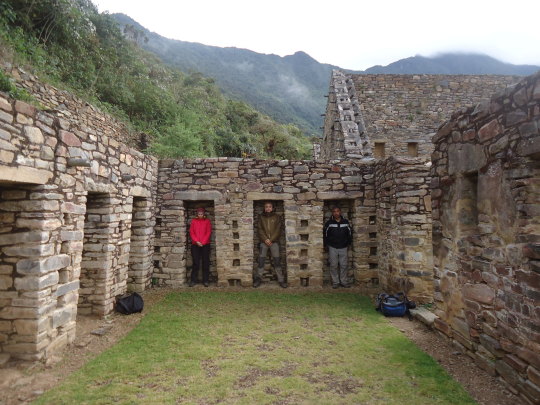
Also known as the sacred sister of Machu Picchu, Choquequirao (which means “Cradle of Gold”) is today the archaeological complex of an ancient, remote and spectacular Inca city, which takes place at the junction of three important rivers and the Salcantay mountain. behind their backs. MORE INFORMATION OF CHOQUEQUIRAO TREK
Archeologists estimate that the city has been explored and cleaned between 30% and 40%, estimating that it far exceeds the famous Machu Pichu in size.
Chosen by travelers who prefer to avoid the large masses of tourists, or by lovers of hiking and unspoilt nature, this ancient Inca city in southern Peru offers anyone who is encouraged to visit it an unforgettable and unforgettable experience. .


Below you will be able to find the necessary information so that you do not stop adding Choquequirao to the list of places to visit as soon as possible:

How to get to the old city?

To get to Choquequirao it is necessary to take a four-day (preferably guided) walk. In case of doing it on your own, you have to go first to the small town of Cachora.
You can take a bus from Cusco, on a trip that takes about five hours and from this place you can rent mules and a guide, and in this way save a few dollars, which are the ones charged by the tourism agencies that sell the different excursions.
The 4-day walk to make the round trip is 3 times more difficult than the famous Inca Trail, and also requires camping or sleeping in one of the towns that serve as stops.


Once there, you must pay the entrance to the park, which costs 60 soles for adults (about $ 18) and 30 soles for minors or students ($ 9). CHOQUEQUIRAO TREK INFORMATION

miércoles, 1 de abril de 2020

Salkantay Trek to Machu Picchu Route Information

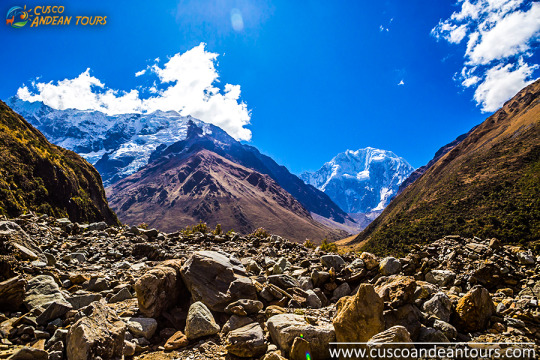
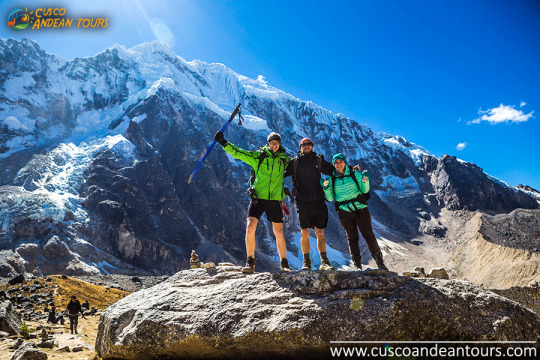
The Salkantay or Salcantay (6,271 m.a.s.l.) is a snowy mountain belonging to the Vilcabamba mountain range. It is the second highest mountain in Cusco after Ausangate (6,384 m.a.s.l.) Its name means wild mountain. Due to its imposing and isolated appearance, it was highly appreciated by the Incas. They put the name ‘Apu’ which means ‘lord’ or ‘sacred’. This snowy mountain was considered one of the most powerful in the region. They worshiped it to the point that they built Machu Picchu in view of its summit. According to the Andean worldview, mountains provided life and decided planting, harvesting and even natural disasters. Because of this, respect and offerings should be given to him. Today, the inhabitants of the Andes continue to consider the mountains as spirits of importance. In Cusco, Salkantay is held in as much esteem as the Incas did.
SALKANTAY TREK ROUTE TO MACHU PICCHU INFORMATION


General information

  1. Name: Salkantay Trek.
  2. Kilometers: 72 kilometers approximately.
  3. Climate: minimum of less than 0 ° C in the ‘Abra Salcantay’.
  4. Maximum height: 4,572 m.a.s.l. in the ‘Abra Salcantay’.
  5. Minimum height: 1,800 m.a.s.l. in the town of Santa Teresa.
  6. Difficulty: challenging.
  7. How to do it ?: with a tour or on your own.
  8. When to do it ?: in the dry season (April to October).
  9. Places it covers: Mollepata, Soraypampa, ‘Abra Salkantay’, Chaullay, Santa Teresa, Aguas Calientes and Machu Picchu.
  10. Physical conditions: it is recommended to be in good physical condition.


Recommendations:

  1. The Salkantay trek is the main hiking alternative to the Inca Trail. More and more tourists are encouraged to arrive at Machu Picchu through this 5-day and 4-night trek through amazing landscapes such as the snowy Salcantay. To fully enjoy this adventure, take into account the following recommendations:
  2. It is possible to do this trek on your own or with a tour. Due to the difficulty of the adventure, it is recommended to do it with a tourism agency. Otherwise, you must have experience in mountaineering.
  3. Perhaps the main drawback to this adventure is the "soroche" or altitude sickness. It is advisable to do a previous acclimatization in the city of Cusco.
  4. Most tourism agencies include the main implements such as tents, food and guide. In case of doing it independently, it is recommended to take everything you need.
  5. The cold at the foot of the snowy Salkantay is perhaps another of the main difficulties. It is recommended to wear thermal clothing.
  6. The rainy season (from October to March) is characterized by the highest probability of river precipitation. It is not a good climate for trekking.
  7. In case you do it on your own, do not forget to book the Machu Picchu Ticket in advance. It is the only way to know the Wonder of the World

domingo, 29 de marzo de 2020

ONE DAY TOURS CUSCO: RAINBOW MOUNTAIN & HUMANTAY LAKE ITINERARY

RAINBOW MOUNTAIN HIKE


Early in the morning (about 3:30 am,) we will be at your hotel or hostel to pick you up. Please make sure you are ready and waiting in the lobby for our guide or driver who is going to look for you. After youaboard our private transportation, we will drive to Pitumarka where we will have the chance to stop for some picture, relax a little and stretch our legs, there is a small shop where you can buy some snacks or water before start our Rainbow Mountain day hike.
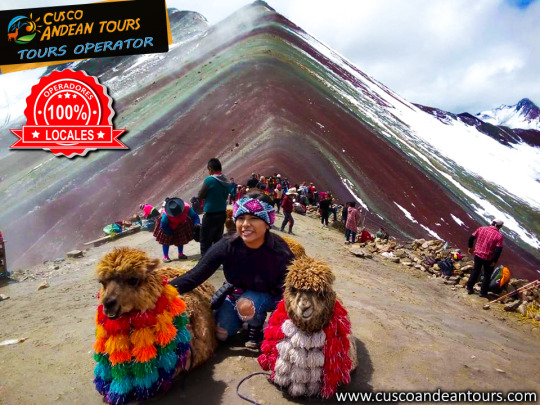
After stopping at Pitumarka we will continue until Quesuno. there we will organize everything before starting our Vinicunca hike. Then we will enjoy a delicious local breakfast and start our adventure to the famous Rainbow Mountain. There is 13 km of trekking. Uphill followed by 6 km over flat land that will take us to our goal called Rainbow Mountain or Vinicunca Mountain which is located at 5100 meter about sea level where we will enjoy the spectacular panoramic views across the ancient valleys Ausangate. We will show you a good place to stop and enjoy the flight of the condor and see walk wild Llamas, Alpacas and Vicuñas .
After this we will turn back on the same trail, This time it will be easier because most of the trail is easy sailing---downhill! Once we get back to Quesuno, we will have a lunch then we will take our transportation back to Cusco where we will drop you off at you hotel or hostel.

CUSCO – SORAYPAMPA – HUMANTAY LAKE


We pick you up from your hotel or hostel between 4:00 to 4:20 in our private transport to go to Mollepata located north of Cusco, we will arrive in 2 hours approximately to this small town.
We arrived at Mollepata and enjoyed the delicious breakfast to start our adventure towards Humantay lake. We will continue in our private transport for approximately 1 more hour until Soraypampa which is located at 3900 m.s.n.m.
Our guide will give you some recommendations to start the trek to Humantay Lake located at 4200 m.s.n.m. Which is very close to the mountain Salkantay.
We start the hike to Humantay Lake for approximately 1 hour and 30 minutes; Enjoying the beautiful views of the snowy mountains Salkantay and Humantay.
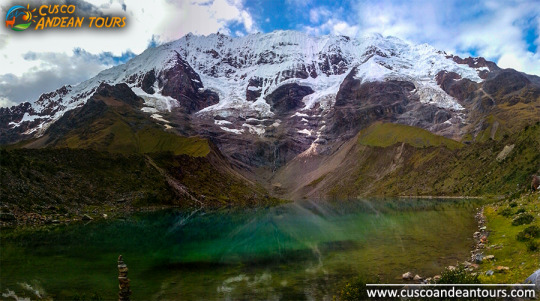
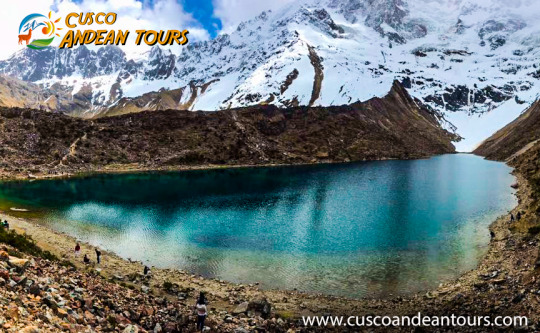
When we reach Laguna Humantay we will enjoy the beautiful turquoise lagoon. There you will take the best photos. Later you will enjoy a small snack watching the beautiful landscapes, continue the walk back to Soraypampa.
In Soraypampa, (optional) people will receive the bike and bicycle equipment and the necessary indications by our guide, so that they begin with the adventure of return until Mollepata.
Enjoy the adventure on bikes descending from 4000 m.s.n.m. At 2600 m.s.n.m. For about 2 hours until you reach the town of Mollepata.
In the afternoon we will arriving to Mollepata and enjoy a delicious lunch. After lunch we return to Cusco in our private transport. We will arrived in Cusco around 7:00 p.m.; We drop you at your hotel.

viernes, 27 de marzo de 2020

CLASSIC CHOQUEQUIRAO TREK ITINERARY

Choquequirao is as impressive as Machu Picchu? This ancient Inca city is known as the younger sister of the Wonder of the World. Some tourists who made the 2-day hike to visit it even say that Choquequirao is better. It is true? Learn the truth about this new archaeological site in Cusco, Peru.
MORE INFORMATION OF CHOQUEQUIRAO TO MACHU PICCHU


What is Choquequirao really?
Choquequirao is an Inca urban center with features common to others in Cusco, especially Machu Picchu.
The similarity with Machu Picchu is largely due to the similarity of the geography of the place where the enclosure was built.
According to various investigations, Choquequirao would also be a fortress and a ceremonial center. The truth is that due to its hidden location in a high and distant mountain; It was a strategic point for various purposes.
Over the years, like Machu Picchu, Choquequirao was abandoned and covered by the jungle until its re-discovery.
Unlike Machu Picchu, there is no train or bus to get to Choquequirao. The only way is to do it on foot through 32 kilometers of incredible landscapes.

CHOQUEQUIRAO TREK ITINERARY:


Day 1: Cusco - Cachora - Playa Rosalina - Santa Rosa
We will pick up you from your Hotel at 5.00 am in our private transport and drive towards Cachora (4 hours approx.) the starting point of the trek where we meet our horsemen and horses. Then we start our hike climbing for 2 hours approx. to Capuliyoc where may we enjoy beautiful views of the surrounding mountains. We continue after Capuliyoc, descending for two more hours to Chiquisca and our delicious lunch made by our chef. After lunch we keep going down the mountain until we reach Playa Rosalina campsite. After crossing the Apurimac River we start the climb to Santa Rosa, zigzagging up a steep slope (2 hours approx.) where those who wish may try Cambray the “typical drink” here, made locally from a sugar cane extract.
Day 2: Santa Rosa - Archaeological Site of Choquequirao
We will wake up for breakfast and so we can have an early departure from Santa Rosa. Afterwards, we continue our hike slowly climbing for 2 hours approx to Marampata.
Then we continue to enjoy this day we will dedicate ourselves exclusively to enjoying all the magic of history and splendor of Choquequirao, we will enjoy a complete guided tour of the Choquequirao complex, including a visit to the high parts (Hanan), and the lower parts (Urin). There will be time to know explore the site with its 8 sectors, its barns, houses and temples. You will see the three stages of the excavation of this late Inca-town: the excavated buildings and constructions; the ruins currently in the process of excavation and finally the unexplored areas and terraces with the secrets they may hold of this last refuge of the dying Inca empire. And throughout the day we will keep an eye to the sky for a glimpse of the majestic flight of condors. With luck on the high steep slopes of Chocuequirao, they can pass very close to you. We will enjoy our lunch and then we will return to our Maranpata campsite for rest.
Day 3: Choquequirao - Playa Rosalina - Chiquisca
This morning we enjoy our delicious breakfast and start our 1 ½ hour walk back towards Maranpata and a descent to Playa Rosalina for lunch and a some relaxation time. After lunch we climb for 2 hours to Chiquisca campsite where dinner will be waiting for us.
In Chiquisca you can have a shower and eat some exotic local fruits from this area.
Day 4: Chiquiska - Cachora - Cusco
We leave camp after breakfast to start the two to three hours climb to Abra Capuliyoc. We will leave Chiquisca campsite early because the sun can be very strong after 10 am, so we plan to to arrive at Capuliyoc by then. Then it is an easy two hours more back to Cachora where we have our lunch. In the afternoon, we met our private transport which will be waiting to take us back to Cusco. Estimated arrival time around 5.00pm.

jueves, 26 de marzo de 2020

Information about Salkantay Trek To Machu Picchu

The Salkantay Trek is one of the beautiful routes that cross the immense mountains of the Andes, and to be able to make this trek you will need all the necessary information to make your trip unforgettable.


On this page you will find useful information about different aspects of the trek in Salkantay such as the location, altitude, degree of difficulty of the trek and the main tourist attractions that we can visit throughout the trek.
This information is constantly and responsibly updated because for us your health and safety is the main concern and the main basis of our services, we hope that all this information is useful to you:
Nevado Salkantay location:
The Salkantay Snow Mountain, (6272 masl) or also called Apu Salkantay is located north of the city of Cusco, it is the highest mountain range on the eastern flank of the Vilcabamba mountain range. The Quechua name of this snowy mountain means "Wild Mountain" because it is a snowy mountain that is difficult to climb to the top. cusco tours information.
How to get to Salkantay:
To get to the beginning of our walk we will pick you up from your hotel in Cusco with direction to Mollepata. The journey takes approximately 3 hours to 3 hours and 30 minutes.

Description

Salkantay trek express 4 days, is one of the most popular alternative treks after the classic Inca trail to the Inca citadel of Machu Picchu, in this route you will see one of the most important apus of Cusco.


DAY 1: CUSCO - MOLLEPATA - SORAYPAMPA - CHAULLAY
This day we leave Cusco early (about 4am) and drive for approximately 3 ½ hrs to Soraypampa where we will start the hardest day of the whole Salkantay trek 4 days 3 nights. We will be walking 7.5km to the highest point of the trek, enjoying magnificent panoramas of snow-capped mountains on the way. Once we reach the top we will have spectacular views of the sacred mountain, Salkantay. At 6245 metres it is the second highest mountain in the Cusco region. After 2 hours downhill we will have our delicious lunch around 1:00 p.m. in Huayracmachay. Then we continue approximately 3 hours downhill to our camp in Chaullay or Collpapampa (2900 metres) where your tent will be ready and waiting for you with a bowl of hot water for washing up. Then there is time to rest, nap or write. Around 7 p.m. we will have happy hour, dinner. Then we’re off to bed and a well-earned sleep.
DAY 2: CHAULLAY - LUCMABAMBA
Around 6.30am, we start with our breakfast before beginning our trek through the high jungle. We cross the Lluskamayo valley and a variety of little brooks to reach La Playa (Sahuayaco) trekking about 6 hours. You will pass through wonderful landscapes and see waterfalls, rivers, beautiful plants and orchids. At La playa (Sahuayaco) we’ll have our lunch and the horses will go back to Mollepata. After lunch and another 30 minutes uphill you will reach our campsite at Lucmabamba. The afternoon is free for you to enjoy our coffee tour or, as an optional extra, take a local van to Santa Teresa to soak in the natural hot spring optional extra. At the end of the day we have our happy hour, dinner and then a briefing for the next day.
DAY 3: LUCMABAMBA - AGUAS CALIENTES
We will have our delicious breakfast at 6 am and leave our campsite. After about 5 minutes you will step onto the original Inka Trail, and for the next 3 hours you will follow this historic trail to the summit for your first view of Machu Picchu across the valley. Then we will descend to our lunch spot by the Hydrolectric Station. After lunch we will walk 3 more hours or take a train for 45 minutes to Aguas Calientes where your beautiful hotel and dinner will be waiting for you.
DAY 4: AGUAS CALIENTES - MACHU PICCHU!!!
Early morning, after the breakfast at the Hotel, you will go up by walking or you can take the bus to Machu Picchu where you meet with our Tour Guide for a private introductory tour of the Citadel. For the next 2 hours you will learn of the history, the structure and the stories of this important World Wonder. Then you will have free time to take pictures, relax and explore Machu Picchu by yourself. If you have reserved a climb up Huayna Picchu or Machu Picchu Mountain, our Tour Guide show you where you start.
After exploring Machu Picchu, you will walk or take a bus down to Aguas Calientes. There you will collect your luggage at the Hotel and board the train to Ollantaytambo. When you arrive at Ollantaytambo, you will transfer to a van for a ride back to Cusco by van where you will be dropped off at your hotel or hostel.
SALKANTAY TREK TO MACHU PICCHU INFORMATION.

domingo, 22 de marzo de 2020

ONE DAY TOURS IN CUSCO: HUMANTAY LAKE & RAINBOW MOUNTAIN

INFORMATION ON THE HIKING TO THE HUMANTAY LAGOON

In Peru an adventure destination is Cusco, which guards the route to the Apu 
Salkantay, an attraction that moves with the beauty of the landscape and keeps years of history in archaeological zones.
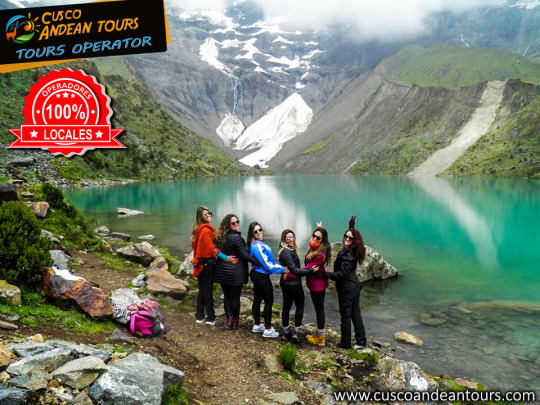
As part of the route to the Salkantay mountain, you can access hiking or mountain biking, as well as other camping activities. With a mystical air, the lagoon is visited by shamans and tourists from around the world to leave offerings to the Pachamama, deity who represents mother earth in the Inca culture. Through the laying of stones, an offering is offered to the Pachamama thanking her for having successfully reached the lagoon, as well as asking her to accompany us on our journey. HUMANTAY LAKE TREK INFORMATION.
The Humantay Lagoon is a place that impacts with its immensity, footprints and colors in the landscape, which makes it one of the must-see tourist destinations in the bowels of Peru.


Humantay Lake is a tour of natural beauty in the Salkantay region in Cusco. The lagoon is believed to preserve the sacred waters of the Apu Humantay that irrigate the fields in the area. The Humantay lagoon is highly respected by the inhabitants of the region due to its location and its great importance due to its importance for the subsistence economy of the locals.
The full-day tour of Lake Humantay is ideal for lovers of nature and ecotourism. During the tour we will be able to observe the exotic flora and fauna and appreciate the impressive snow-capped peaks of Humantay and Salkantay. The tour begins and ends in the city of Cusco

INFORMATION OF THE HIKING TO THE COLOR MOUNTAIN


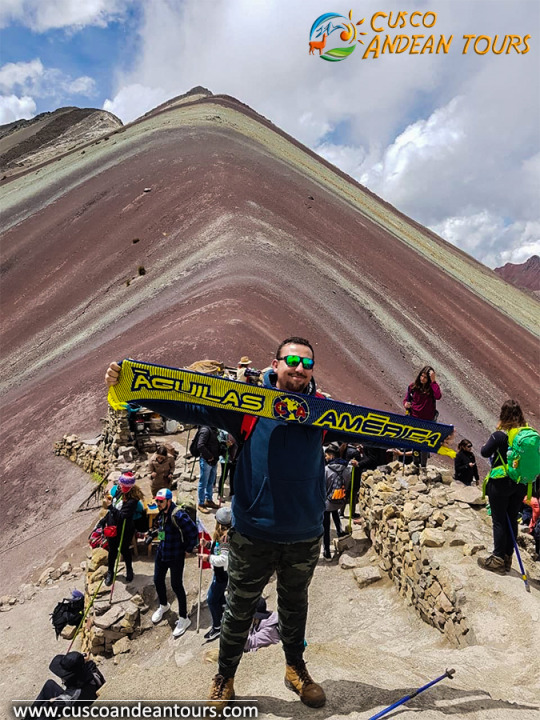
Rainbow Mountain trek - This picturesque summit used to be an attractive 4-day drive to snowy Ausangate. Over the years, this mountain gained popularity on its own. Today, the most widespread way to visit this summit is through a tour. There are 1-day and 2-day services. Most include transportation, food, entrance fees and professional guide. In the city of Cuzco there are many tourism agencies offering these services.
Traveling on your own? - It is also possible to visit the ‘Cerro Colorado’ on your own. For this, the visitor must take a bus to Sicuani from the city of Cuzco (2 hours and 40 minutes away). Once there, a bus is taken to the town of Quesiuno. Then a walk begins (you can also hire a horse transport) to the Rainbow Mountain. The price of the entrance ticket is 10 soles.
Difficulty of the mountain - The 3 or 4 hour walk (depending on the tourist's physical condition) is not dangerous and requires moderate-high physical effort. There are considerable sections of slopes up and down. However, one of the biggest difficulties is cold weather and icy wind. The altitude of the area can cause altitude sickness or soroche. A previous acclimatization of 1 or 2 days in the city of Cusco is recommended.
Recommendations - Spend a day or two acclimatizing in the city of Cusco. Take warm clothes to do the walk. If you do not consider yourself in good physical condition for the trek, rent a horse to one of the inhabitants of the place. On that day, don't forget a hat or cap, sunscreen, jacket, pants, ideal shoes for trekking and a rain poncho

viernes, 20 de marzo de 2020

TOURS IN CUSCO TO MACHU PICCHU

CUSCO IMPERIAL TOUR 5 DAYS


DAY 1: CUSCO / CITY TOUR
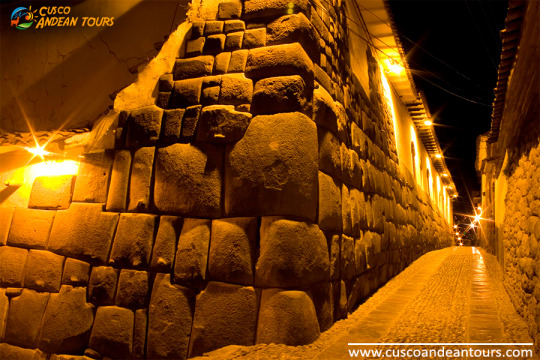
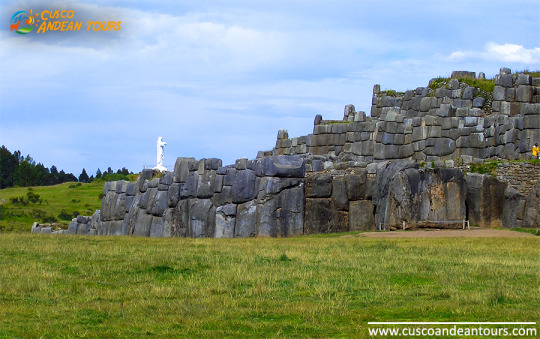
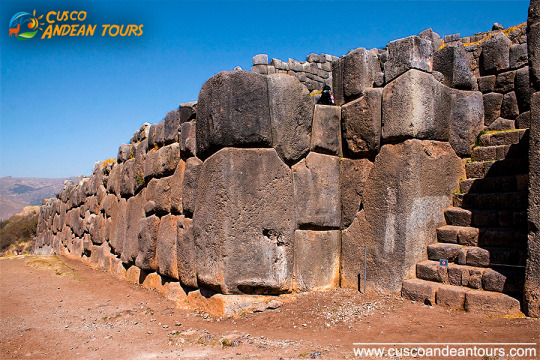
Reception at the airport, transfer to the hotel and you will have a free time available to rest and so avoid altitude sickness. In the afternoon the trip will start with the visit of the Temple Koricancha , The Main Square or Plaza de Armas, The Cathedral and continue to visit the Inca sites: The Fortress Sacsayhuaman the latter side is strategically built on a hill overlooking Cusco and is famous for its enormous carved stones, some of them standing over 9m/30ft tall and weighing over 350 tons, set together whit astounding precision to form the outer walls. Most important Mystical center from Inkas time Qenqo, the military control center Puca pucara and the water temple of Tambomachay. Return to the hotel and free night.
DAY 2: TOUR OF MARAS AND MORAY
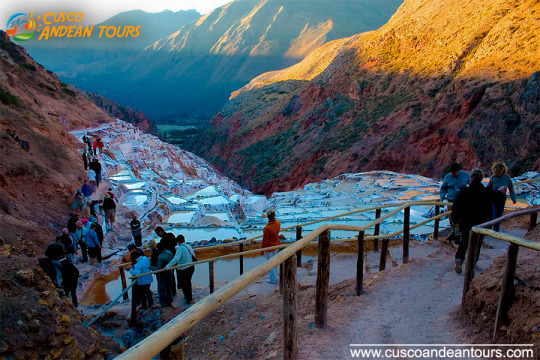
09:00 – 14:00 Tour of Maras (salt mines) and Moray (terraces). Night at hotel in Cusco.
DAY 3: CUSCO/ SACRED VALLEY OF THE INCAS
This day we take a trip to the Sacred Valley of the Incas: visit the Pisac Incas built, the colorful Andean market and the church. Then we pass places like Lamay and Calca on the way to arrive in Urubamba town where we stop for lunch. After lunch visit to Ollantaytambo town, where we can see its typical streets, the impressive archaeological constructions and agricultural terracing, not to mention the splendid views over the sacred valley. Finally, visit the picturesque Andean village of Chinchero where the built of the royal hacienda Of Tupac Inca Yupanqui lie. You can admire the well preserved Inca wall in the main square, and visit the beautiful colonial temple. Built on Inca foundations with interesting paintings. Overnight in Cusco
DAY 4: CUSCO / MACHUPICCHU
Pick up at the hotel to take the train for a full day tour of the Magical citadel of Machu Picchu, it is 112 Km. from Cusco .During the journey we see the Urubamba canyon, Urubamba River and the show capped peaks of the Veronica Mountain. Arriving in Aguas Calientes we go to Machu Picchu where we visit this wonderful Inca Sanctuary also known as “The lost City of the Incas “one of the best known examples of surviving Inca. After the visit, we come back to Aguas Calientes to take the train back to Cusco.
DAY 5: DEPARTURE FROM CUSCO
We will pick you up from your hotel in Cusco and take you to the airport.

MAGICAL CUSCO TOUR 4 DAYS


DAY 1: CUSCO / CITY TOUR
Reception at the airport, transfer to the hotel and you will have a free time available to rest and so avoid altitude sickness. In the afternoon the trip will start with the visit of the Temple Koricancha , The Main Square or Plaza de Armas, The Cathedral and continue to visit the Inca sites: The Fortress Sacsayhuaman the latter side is strategically built on a hill overlooking Cusco and is famous for its enormous carved stones, some of them standing over 9m/30ft tall and weighing over 350 tons, set together whit astounding precision to form the outer walls. Most important Mystical center from Inkas time Qenqo, the military control center Puca pucara and the water temple of Tambomachay. Return to the hotel and free night.
DAY 2: CUSCO/ SACRED VALLEY OF THE INCAS
This day we take a trip to the Sacred Valley of the Incas: visit the Pisac Incas built, the colorful Andean market and the church. Then we pass places like Lamay and Calca on the way to arrive in Urubamba town where we stop for lunch. After lunch visit to Ollantaytambo town, where we can see its typical streets, the impressive archaeological constructions and agricultural terracing, not to mention the splendid views over the sacred valley. Finally, visit the picturesque Andean village of Chinchero where the built of the royal hacienda Of Tupac Inca Yupanqui lie. You can admire the well preserved Inca wall in the main square, and visit the beautiful colonial temple. Built on Inca foundations with interesting paintings. Overnight in Cusco
DAY 3: CUSCO / MACHUPICCHU
Pick up at the hotel to take the train for a full day tour of the Magical citadel of Machu Picchu, it is 112 Km. from Cusco .During the journey we see the Urubamba canyon, Urubamba River and the show capped peaks of the Veronica Mountain. Arriving in Aguas Calientes we go to Machu Picchu where we visit this wonderful Inca Sanctuary also known as “The lost City of the Incas “one of the best known examples of surviving Inca. After the visit, we come back to Aguas Calientes to take the train back to Cusco.
DAY 4: DEPARTURE FROM CUSCO
We will pick you up from your hotel in Cusco and take you to the airport.

CUSCO EXPRESS TOUR 3 DAYS


DAY 1: CITY TOUR CUSCO
We'll be waiting for you at the airport in Cusco on your arrival date , take you to the hotel where you will rest for an hour , you'll have a cup of coca tea and we will pick you up from your Hotel in the afternoon (from 13:30 hrs to 18:30 hrs) to start with the tour around Cusco and outskirts.
Tour around Cusco and outskirts: We pick you up from your Hotel to start visiting the following attractives , with aprofessional guide: - The Koricancha Palace andConvent of Santo Domingo
Religious center known as "The Temple of the Sun" where you will admire the impressive engineering used in its construction.
The Cathedral:Colonial religious monument of extraordinary artistic value.
Sacsayhuaman: Located 3 km from the city of Cusco,impressive stone fortress monumental and magnificent architecture, famous for its enormous carved stones,some of which are at9 m/ 30 feettall and weigh of 350 tons. Here is where the Inty Raymi or Fiesta del Sol in June take place every year.
Qenqo: Ceremonial and ritual center, amphitheater where sacrifices were made. Puca-Pucara: An old tambo (resting place), monitoring placethroughout the Inka Empire Routes.
Tambomachay: At 7 Km. From the city of Cusco,ceremonial center of worship of water , traditionally known as the place of water.Excursiontime: around 5 hours.
Frequency : everyday in the afternoons.
DAY 2: MACHU PICCHU TOUR
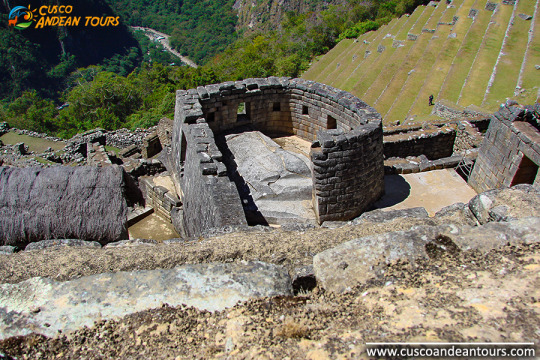
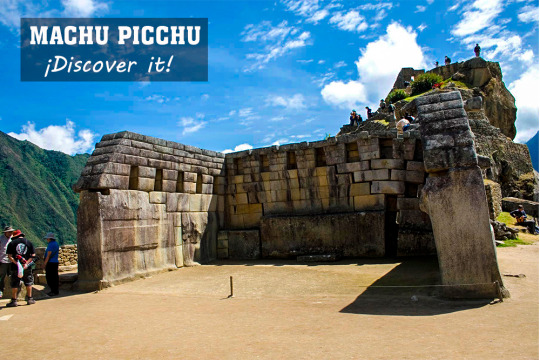
From 05:45 hrs to 06:00 hrs., we pick you up from your Hotel inCusco (3400 m.a.s.l.) and drive you to the Train Station, located in Poroy, then we get aboard the train and the trip from Cusco starts heading toAguas Calientes (2000 mosl).Our Guide Will be waiting there , he will lead us to the bus station,rising by a zigzag pathfor 30 minutes to the incredible Machu Picchu, known as the lost city of the Incas.Once we get to Machu-Picchu, We'll pass throught the control, where we'll hand in our entrance tickets and where our guided tour will start, visitingthe main square, the Circular tower, the sacred solar clock, the royal rooms, the temple of the three windows and the cementeries, it lasts around two hours. Afterwards you'll be givenenoughtime to have a walk around the citadel and have your meals ,at any restaurant in Aguas Calientes or if you wish atSantuary Lodge (this is not included).
In the afternoon, betwen 15:30 hrs and 17:00 hrs we'll return on train to Cusco, we'll be waiting for you at the train station and then we'll take you back to your hotel.
DAY 3: FAREWELL:
We'll be at your hotel at least two hours before your flightleaves to take you to the airport Where you should check your plane ticket and pay the airport tax, we'll see you to the departure launge.

jueves, 19 de marzo de 2020

INFORMATION OF TOURS IN CUSCO - SACRED VALLEY - MARAS AND MORAY

INFORMATION OF CUSCO


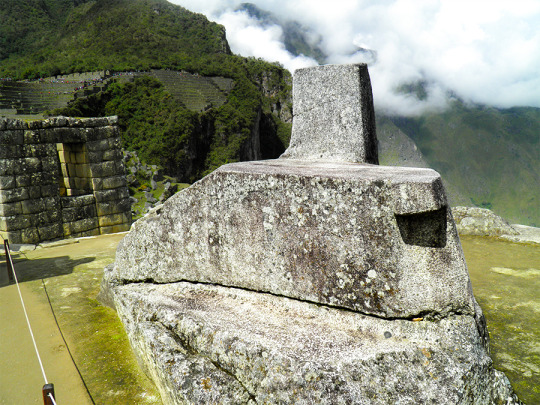
Cusco (Qosqo in Quechua), means navel of the world, and is one of the largest regions of Peru. Its geographical location has allowed it to develop agriculturally, standing out in the cultivation of corn, quinoa, barley, potatoes, tea and coffee. Today Tourism is its main source of income, due to the great archaeological wealth left by the Tahuantinsuyo empire and the passage of the Spanish. It is without a doubt, the city that preserves the most beautiful and important archaeological monuments of Peru and America, among them Macchu Pichu, being in this way the first tourist destination in our country, an important tourist destination for those who come to appreciate the impressive Inca architecture; stone work carried out with originality and perfection. In its surroundings there are many Inca and Colonial archaeological remains such as the Macchu Picchu archaeological site, located 130 km northeast of the city of Cusco, 600 m approx. on the Urubamba river. Inside this Inca citadel a total of 150 houses is calculated; one-room houses, highlighting the solar clock (or Intihuatana), an astronomical observatory that was built in a strategic place in the citadel, from where the Incas could observe the movements of the sun. cusco tours
Among its main archaeological monuments we can mention the fortress of SacsayHuamán, Ollantaytambo, Písac, Kenko, Acllahuasi, the archaeological site of Tambomachay, among other sites of archaeological and tourist importance. Important architectural remains of the colonial style are still preserved from the Spanish past, among them the Cathedral Basilica, the temple and the convent of La Merced, the church of the company of Jesus, the pulpit of San Blas, the churches of Santa Catalina , Santa Clara and San Cristóbal, Santo Domingo, and museums and paintings of the Cusqueña School.

The Sacred Valley for the Incas


With the river feeding the valley, its fertile lands were one of the main centers of food production during the time of the Incas; some places, like Moray, were even used as agricultural laboratories, to experiment with plant species brought from all over the empire. The Incas cultivated potatoes, white corn, coca, fruits and vegetables, on terraces like those seen in many valley towns specially designed for this purpose. Today the valley produces lucuma, peach, avocado, and one of the best corn kernels in the world.
Sacred Valley Tour
But it was more than just an important agricultural center; the Urubamba river valley, "Willcamayu" for the Incas, was one of the most important elements in the religious cosmology of the Incas. They believed that the flow of the Urubamba was closely linked to the constellations and mountains, they also believed that it was the counterpart of the Milky Way on earth.

Where is the Sacred Valley of the Incas located?

The Urubamba river valley or "Sacred Valley of the Incas" is located 15 km northeast of the city of Cusco, reached by a paved road. A drive to one of the nearest towns will take you around 40 minutes. From there you can move to the other towns in the valley.

What is the climate like in the valley?

The Sacred Valley of the Incas is located 2,800 meters above sea level, 600 meters below Cusco, and enjoys one of the best climates in this region, daytime temperatures vary between 19 ° and 24 ° C. This privileged climate made the Incas take it as their main center of agricultural production, experimentation and research. Today travelers use the valley to acclimatize, before starting their tours of Cusco and Machu Picchu, and without a doubt one of the best ways to avoid altitude sickness.

What to see in the Sacred Valley of the Incas?

Known to the Incas as Willcamayu, the beautiful valley stretches from the town of Pisac to Ollantaytambo, along the Urubamba River. The ancient Inca settlements in these cities are presented as checkpoints, before entering the "Inca trail" that leads to the sacred city of the Incas, Machu Picchu; they are simply amazing, and one of the best previews of what you will see in wonder.

MARAS AND MORAY INFORMATION


What does Moray mean?

The word Moray would have different origins. In the Quechua language (language of the Incas) it means: a territory occupied since ancient times.
Although the origin of the name of Moray is not known for sure, it is presumed that it had to do with the corn harvest called 'Aymoray', or with the month of May named in the same way by the Incas (sowing month in the calendar inca).
Moray is also presumed to come from the name of the dehydrated potato known as the 'moraya' (white chuño). Cusco tours

History

Before the Incas, this part of the Sacred Valley of the Incas was inhabited by the ‘Maras’ and ‘Ayamarcas’ ethnic groups, who occupied a large part of the current territory of the Sacred Valley of the Incas.
After the Inca conquest, the construction of large buildings and platforms began in the territory of the Sacred Valley. Thus, the Moray platforms were built, which were used by the Incas as an important agricultural control center. There the production of the coca leaf was carried out, a plant considered sacred to the Incas.
Investigations do not clearly indicate whether during the colony (from 1532) the Moray platforms were worked. The truth is that it was not until 1932 that the Shirppe Johnson’s expedition flew over the place, discovering the existence of the platforms, then covered by thick vegetation.
During the 20th century, various investigations were carried out on Moray. Perhaps the most valuable of all was made by anthropologist John Earls who established that it was an experimental agricultural center.

How's the weather?

The climate in Moray is dry and temperate. The temperature varies from 21ºC. (69ºF). during the day until 1ºC. (33ºF). at night.
From October to April the rainy season elapses where river precipitation is frequent. From May to September the dry season occurs where rains are not so frequent.
April, May and June are believed to be the best time to visit Moray.

What am I going to see in Moray?

Beautiful landscapes - The set of platforms that make up Moray are visually beautiful to human eyes and, of course, in front of a camera lens. Many people come there to take their picture postcard and post it on their social networks.
Circular platforms - The circular platforms of Moray were a very important place for Inca agriculture. It is believed that it was a center of experimental studies that the Incas used to plant products that, under other conditions, could not be cultivated.
Adventure sports - There are tours to the Moray platforms that include adventure by bicycle or even ATV. These services can be obtained at any tourism agency located in the Historic Center of Cusco.

miércoles, 18 de marzo de 2020

Important information of Machu Picchu

The discovery of Machu Picchu

Hiram Bingham ‘rediscovered’ the Lost City of the Incas in 1911. However, Machu Picchu was already known to some local families, long before the arrival of the Yale University professor.
According to the Cusco writer Américo Rivas, 9 years before the arrival of Hiram Bingham at Machu Picchu, the Peruvian farmer Agustín Lizárraga visited the Inca Citadel. In the place he left his name written as proof of his visit.
Hiram Bingham baptized Machu Picchu as the ‘Lost City of the Incas’, because when he arrived there; He believed that it was the city of Vilcabamba, the last refuge of the Incas after the conquest.
Bingham's team extracted a total of 40,000 artifacts from the Inca City of Machu Picchu to be taken to Yale University.
These objects included silver statues, jewelry, bones, ceramics, and even mummies. Most of these objects have been returned to Peru as of 2014.


Chosen Wonder of the World

Machu Picchu was declared in 1983 as a Cultural Heritage of Humanity by Unesco.
Machu Picchu was declared one of the new 7 Wonders of the World in 2007. In addition, the Taj Mahal, the Great Wall of China and four other impressive places were included.
Machu Picchu is the most visited tourist attraction in Peru, South America and one of the main destinations in the world.
Machu Picchu was chosen in 2016 as the best destination in the world in a vote by the users of the travel website ‘TripAdvisor’.

The construction of Machu Picchu

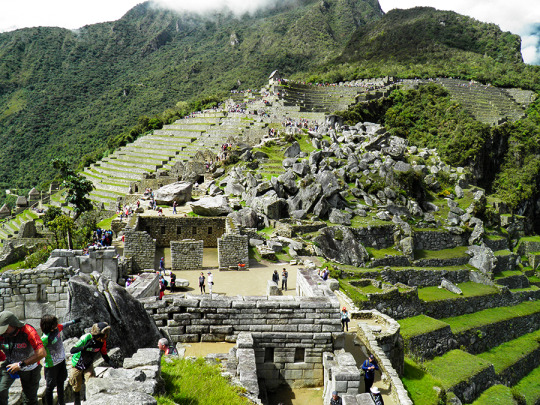
The ‘Lost City of the Incas’ is located in the middle of two mountains, 2,430 meters high. These two mountains seen from the ‘Casa del Guardián’ form the classic postcard of Machu Picchu.
Machu Picchu is a Quechua word (the language of the Incas) that means ‘Old Mountain’.
The City of Machu Picchu was built as a royal residence for the Inca and his family in the mid 1400 AD, by the Inca Pachacútec.
Since its re-discovery, more than 30% of Machu Picchu has been rebuilt to give a clearer idea of ​​what the structures originally looked like. The restoration continues today.
Machu Picchu was built around 1450 during the height of the Inca Empire. In 1572, a little over a century later, it was abandoned after the arrival of the Spanish.

The Inca Inca Citadel of Machu Picchu ’

Machu Picchu buildings are made of stones that fit perfectly and have remained that way for more than 500 years without the use of any type of forge, mortar or glue. More Unformation Of Machu Picchu Tour
More than 50% of Machu Picchu is underground as a base for some buildings or as water channels and drains for rainwater, irrigation and consumption.
Machu Picchu is divided into 2 zones: agricultural and urban. It is estimated that just over 1,000 people lived in this city hidden in the mountains.
Machu Picchu was never finished, it was only abandoned. Thanks to this, the Spanish could not destroy or modify it as they did with other Inca cities.
Machu Picchu had enough water sources and enough terraces to comfortably support more than 4,000 people. This is four times the population that once inhabited the city.


The Inca Trail to Machu Picchu is considered one of the best walks in the world. Without a doubt, it is one of the most spectacular way to enter Machu Picchu.

The incredible Huayna Picchu mountain

The Machu Picchu National Park houses the Huayna Picchu mountain. This mountain is so popular that if you want to come in the high season, tickets must be reserved 6 months in advance.
To get to the top of the Huayna Picchu mountain you will go through trails and stairs. In some cases, the stairs are built on the side of cliffs several hundred meters away.
Just seeing the images of the Huayna Picchu road discourages many people. However, there have never been any accidents to regret.
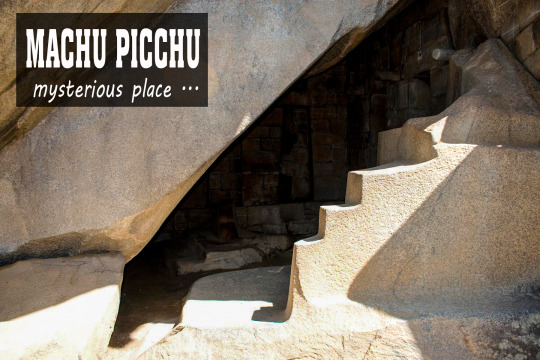
In the middle of the Huayna Picchu mountain is the Great Cavern or Temple of the Moon. The function is this mysterious construction in the middle of the cave is still a mystery.
Huayna Picchu is considered one of the most incredible short walks in the world. The entrance ticket is the most desired in Machu Picchu. Machu Picchu Tour Information

Machu Picchu in danger

There is a restriction to enter the airspace of the Machu Picchu National Park. Despite this, the Inca City was flown over by helicopter for Peruvian President Ollanta Humala in 2016.
There was a monolith in the Main Plaza of Machu Picchu. This was removed on two occasions for the plaza to act as a heliport. The first time for the kings of Spain and the second for a group of leaders of the Andean Community of Nations.
The second time this monolith was removed, it was destroyed and buried in the vicinity of the Main Plaza.
Machu Picchu is on the watchlist of the 100 most endangered historical monuments in the world.
Machu Picchu is the most important tourist attraction in Peru. This causes it to be continuously threatened by commercial forces that promote the construction of luxury hotels and tourist restaurants near the wonder.

The mysteries at Machu Picchu

Machu Picchu can surprise anyone who visits it for the first time. Especially when you consider that the construction of the city was carried out without using draft animals, iron tools or the wheel.
It is still a mystery how the huge rocks moved from the quarries (30 km), to the location of the Inca City on the mountain.
Many of these rocks weigh more than 150 tons. It is believed that they were pulled by hundreds of men, but this is unlikely, especially due to the rugged terrain and inaccessible city.
More and more people are coming to Machu Picchu in search of their energy.
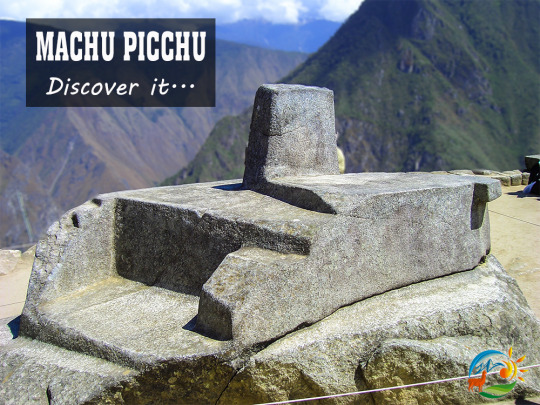
The Intihuatana (Solar Clock) is an Inca structure located near the Main Plaza of Machu Picchu. It is believed to emit energy. Many tourists put their hand out to feel it.


5 things few know about Machu Picchu

Currently, there is a family that claims Machu Picchu as their property by inheritance. The dispute with the Peruvian state is in the courts of Cusco.
Machu Picchu was built with a stone assembling technique called ‘Sillar’. The perfect fit of its walls and its slight inclination is still maintained despite its location between two geological faults.
Unesco has set a limit of visitors per day. The objective is to preserve the Inca Citadel of Machu Picchu in the face of excessive tourism traffic.
Machu Picchu is still a mystery. A secret door was recently discovered where the tomb of Pachacutec, the Inca who ordered the construction of the Inca City, would be found.
From the top of Machu Picchu you can see a human face in profile in the conformation of the mountain. The face of an Inca!
Machu Picchu Tours

jueves, 12 de marzo de 2020

Best treks to Machu Picchu - cusco

INCA JUNGLE INFORMATION:
What is the Inca Jungle at Machu Picchu?
The Inca Jungle tour is a tour that departs from the City of Cusco and ends in Machu Picchu, after 4 days and 3 nights after carrying out a series of adventure sports such as: cycling, trekking, canoeing and zip line.
The Inca Jungle is one of the most popular tours in Peru.

What is the Inca Jungle route?


The Inca Jungle begins in the city of Cusco and ends in Machu Picchu.
During the journey you cross the Sacred Valley of the Incas, then enter the jungle eyebrow of Cusco to finally arrive at the Wonder of the World.
This is the route during the 4 days of the tour:
  • 1st. day: Cusco - Abra Málaga - Santa María Town.
  • 2nd. day: Santa María - Thermal baths - Santa Teresa town.
  • 3rd. day: Santa Teresa - Hydroelectric - Aguas Calientes town.
  • 4th. day: Aguas Calientes - Machu Picchu - Cusco.

What is the height during the Inca Jungle?
The Inca Jungle covers its highest point in the so-called ‘Abra Málaga’ (4,230 masl).
The lowest point is in the town of Aguas Calientes (2,000 m.a.s.l.), also known as Machu Picchu town.
Map of the Inca Jungle Machu Picchu
The Inca Jungle begins in the city of Cusco.
After doing various adventure sports, visit the Inca City of Machu Picchu.
The return to the city of Cusco is by train and bus.

LARES TREK INFORMATION:

What is the Lares Trek?

The Lares trek is an alternative path to Machu Picchu of 4 days and 3 nights, which runs through high Andean landscapes inhabited by Quechua peoples. This adventure tour is also known as the Circuito de las Tejedoras because during its journey, you learn the technique of ancestral yarns in native towns.


Lares: where is it located? How high is it?

Where is Lares located?
Lares is located in the Andes Mountains, in southern Peru. This district of Cusco belongs to the province of Calca.
How high is it?
Lares is 3,150 meters above sea level (m.s.n.m.).
What is the weather like in Lares?
The climate in Lares is temperate with cold at night. The average temperature is 11ºC. During the day, the heat can reach 21ºC. At night, temperatures can reach 1ºC.
How to get to Lares?
Lares is separated from the city of Cusco by 149 kilometers of highway. From this point, it is reached through a car trip that goes through the towns of Pisac and Calca in the Sacred Valley of the Incas.
What to see and do in Lares?
Lares has several tourist attractions such as:
  1. Lares thermo-medicinal baths.
  2. Mantto Falls.
  3. The hiking route to Machu Picchu.

HUCHUY QOSQO TREK INFORMATION:

This complex is the most important archaeological center in the Urubamba Valley, after Ollantaytambo and Pisac. The ruins are impressive, although the conservation of the site is inferior to that of Ollantaytambo or Pisac, because they are older. But unlike the aforementioned places Huchuy Qosqo has a peculiar architecture: the buildings have been built on polished stone bases of fine finish, with clay plaster (they are the best preserved parts) and the highest floors are made of adobe.


Useful Information
- Starting Altitude - 3800m / 12,467ft..
- Highest Altitude - 4300m / 14,107ft.
- Walking Distance - 18km / 11 miles
- Meals - 1 breakfast, 1 lunch, 1 dinner
- Overall Difficulty - Moderate
- STARTING POINT: - Cusco at your hotel

IMPORTANT INFORMATION:
  1. The Hispanic chronicles refer that Huchuy Qosqo (probably a place known in Inca times as Caquia Jaquijahuana) was the favorite work and place of the Inca Wiracocha.
  2. A kallanka of at least 40 to 50 meters long is observed. Also a remarkable building with two stone floors and one upper one of adobe. There are also large terraces, a very large square and a large Inca gate through which passes a very well preserved road that leads from Tambomachay.
  3. Machu Picchu is one of the 7 Wonders of the Modern World , Heritage of Humanity, Historical Sanctuary of Peru and probably the most important archaeological site in Latin America.
  4. Machu Picchu is majestic architecture comprises 140 structures throughout the citadel.
  5. Machu Picchu is was built by the Inca Pachacutec around the year 1460
  6. After being forgotten, it was only in 1911 that the American Hiram Bingham reached Machu Picchu on an expedition and spread the site worldwide.

Brief Itinerary

  1. - DAY 1: CUSCO – TAUCA – HUCHUY QOSQO – OLLANTAYTAMBO – AGUAS CALIENTES
  2. - DAY 2: MACHU PICCHU - CUSCO

viernes, 6 de marzo de 2020

Humantay Lagoon: Four reasons to know this wonder in Cusco

Humantay Lagoon is located in the community of Soraypampa, in the district of Mollepata, Cusco. To get to Cusco, you can take different bus companies such as Civa and Palomino. These companies have a ticket price of 40 soles and 100 soles departing from Arequipa and Lima, respectively.
Arriving in Cusco you have to take a mobility to Mollepata. In the Arcopata bus terminal you can find a large number of companies that will take you to Mollepata for approximately 15 soles. When you arrive in Mollepata you have to take a taxi to Soraypampa. This trip, because it lasts longer, has an approximate cost of 70 soles. When you arrive in Soraypampa you have to walk for an hour and a half to Humantay Lagoon or rent a horse. The entrance cost for the lagoon is approximately 10 soles.
To return, we recommend that you agree with the taxi driver who took you to wait for you or pick you up. This is because, as the destination is very far from the nearest town, you may not find return mobility.
HUMANTAY LAKE INFORMACION:


1. Take a walk in the snow

To get to the lagoon you have to travel a path that crosses the mountain and snowy Humantay. This is a unique and beautiful experience for all those who like trekking or hiking on nature trails.
The hike is a stretch of 3.5 km for an hour and a half, so we recommend that you assume this adventure if you have any previous experience in doing this activity at 4200 m.a.s.l.

2. Observe the rituals

In the Humantay lagoon an ancient ritual is performed in honor of Mother Earth, Pachamama. Arriving at the lagoon, you can be part of this ceremony by placing stones for gratitude for having successfully reached the lagoon.
According to the residents of the nearby town, the Humantay is the youngest son of the Apu Salkantay. These are responsible for distributing the water that falls through the snow.

3. Taste the typical local dishes

As in every corner of Peru, gastronomy is the essential element in each destination that is visited.
In Soraypampa, you can taste very traditional dishes of the town, such as tamales with potatoes and guinea pig, the slipped wheat with pellejón, pataca with dry giblets, scrambled chochos, stew of chumos, cream of huaynas and more.
The traditional drinks that you can not miss is the already famous chicha de jora, the hot and the mixed.

4. Marvel at the scenario of the Peruvian highlands

The Humantay Lagoon is surrounded by a lot of vegetation typical of the scenarios of the Peruvian highlands. Also, from there you can see the snowy Humantay and the rest of the Vilcanota Range.
Take advantage of this unique view to get in touch with nature and let yourself be enveloped by its tranquility and mysticism.
The Humantay Lagoon is a natural attraction that is not always part of the tourist tours of Cusco. However, it is one of the most impressive and beautiful natural scenarios that this department has, so we recommend you visit it.

martes, 25 de febrero de 2020

The Inca Trail, masterpiece of America, enters the World Heritage Site

The Inca Trail, a master road communication network that extended to six countries in South America, was declared a World Heritage Site by Unesco on Saturday, a distinction that recognizes the ingenuity of a pre-Hispanic system that surprised the world. The trails, which served the Inca to control its empire (Tahuantisuyo), extend from Argentina to Chile, Bolivia, Peru, Ecuador and Colombia, and were linked by a network of roads that constituted the Qhapaq Ñan (in Quechua Inca Trail).


 "This extraordinary system of roads extends through one of the geographical areas of the world with the greatest contrasts," among the Andres, the rainforest, the Pacific coasts and deserts, the Unesco statement said. "The denomination means for the six countries the recognition of one of the most important monuments of the Andean world," said Luis Lumbreras Flores, archaeologist of the Inca Trail Project of the Peruvian Ministry of Culture. The Qhapaq Ñan, the oldest road network in America, ran along the entire Tahuantinsuyo along the Andes Mountains, from western Argentina to southern Colombia. The main road has about 6000 km from south to north. This mountain road parallel to the Pacific Ocean was linked by cross sections that even reached the jungles and the Gran Chaco in Argentina and Bolivia. "There are other sections where the population still travels. It has cobbled areas, with flagstone or land fill, and in some places you can see retaining walls on both sides of the road," said Peruvian archaeologist Cristian Viscount. The distinction will allow to obtain financing from international organizations for the conservation and restoration of the paths and sanctuaries that were built around the road, archaeologists say optimistic. The entire network in coast, mountains and jungle, totaled an extension of 30,000 km, which interconnected the four of them, or cardinal points of the empire, with the mythical capital, Cusco (in Quechua, "navel" or "center").


Peru gathers most of the discovered routes of the old routes. The most famous stretch, and where millions of tourists from all over the world arrive, leave from Cusco to the citadel of Machu Picchu. They are 43 kilometers between forests, with ancient stone steps. The road reaches the Puerta del Sol where it offers majestic views of the Machu Picchu ruins.
INFORMATION OF INCA TRAIL

martes, 4 de febrero de 2020

LAGOON OF HUMANTAY

The snowy Salkantay (6271m) is one of the highest mountains in the Cusco region, along with the Ausangate snowy in the Vilcanota mountain range which is located further south.


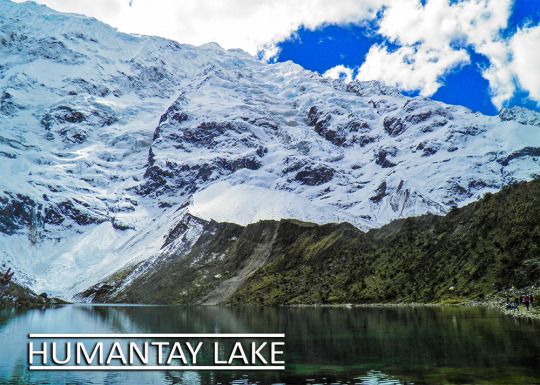
Humantay, is a snow-covered mountain that is part of the Vilcabamba mountain range and gives rise to the formation of this splendid turquoise-colored lagoon that is fed by the mountain glaciers and is a jewel of nature on the route of the Apu Salkantay.
The Humantay lagoon is located in the province of Anta, Cusco area and that is how the ancient city of Cusco surprises us again by presenting a new alternative for travelers who wish to enjoy nature and the natural landscape at the foot of a Snowy surrounded by imposing glaciers, this hike is impressive worth doing since the landscapes are incredible and the bravest, you can even take a dip in the icy waters of the lagoon.
You leave Cusco very early by car for 2 hours approx. to the town of Mollepata, where breakfast is usually taken and the last provisions are obtained, then it starts again by car for 1 more hour until arriving at the community of Soraypampa from where the trek begins uphill about an hour and about two to two, while walking you will perceive the panorama of snow-capped mountains, stunning natural landscapes and the great diversity of flora and fauna until you reach Humantay Lagoon where you will enjoy the breathtaking views of Lake Humantay and the surrounding mountains of this wonderful place, on the way back, the walk begins until you reach Soraypampa and from there return by car to Cusco.

sábado, 25 de enero de 2020

Archaeological Complex of Moray

It is located 57 km northwest of the city of Cusco.


Moray is made up of 4 slightly elliptical galleries, which the inhabitants call "muyus". The largest gallery has a depth of 45 m and the average height of each platform is 1.80 m. For researchers, Moray's circular platforms functioned as an agricultural research center, where each level offered a different climate environment allowing different plants to be grown experimentally. The platforms were built on retaining walls filled with fertile land. He watered them through complex irrigation systems. At the bottom of the platforms, there is a system that stores the water coming from the rains. Following this practice, more than 250 plant species were cultivated. Other studies indicate that the place was used for astronomical observation and to monitor the climatic changes that could occur, by monitoring the sunlight and the shadows generated by the high mountains in the area. General data Location: Moray is 57 km northwest of the city of Cusco. Average temperature: The average temperatures range between 4.2 ° C and 19.6 ° C. Season: Cusco has two well-marked seasons: one rainy, between November and March, and one dry (the most recommended for your visit) between April and October. Important: Entrance with tourist ticket.

viernes, 17 de enero de 2020

THE HISTORY THAT WRAPS TO THE PEOPLE OF PISAC: RUINS THAT KEEP SECRETS

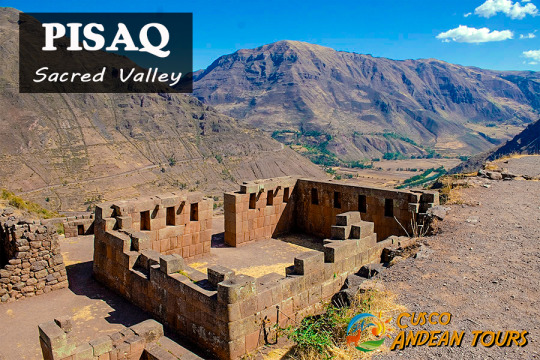
Pisac is a town that is located 30 km from Cusco, where we can find the ruins of the Sacred Valley that are part of one of the most important sites in terms of archeology. Its bases are based on a solid history, built with each piece rich in culture by the Inca communities.


A town with a lot of tradition, an Andean town built on indigenous remains from the time of Viceroy Francisco de Toledo, where you can perceive the culture in its people, traditions such as Quechua masses, cultural festivals, sculptures and archaeological buildings that make part of its charm and even the way crops are carried out with the application of astronomy, a science used in the past by its inhabitants.
Pisac that comes from the word Quechua pisaq or p'isaqaq, which means partridge, the same form that has the area for which it is very characteristic, in addition this term has a special importance, because it refers to spirituality, with the mystical , with the spiritual values ​​that the human being must develop.
This place is very distinctive in the country for its ancient stories that give it a unique value that enhances every part of its ornate houses, in which every detail is appreciated. This iconic town attracts millions of tourists every year for its attractive and cozy space, where we can find from restaurants with typical food, hotels, places where you can buy handicrafts made by the population to the square of Pisac, where there are a variety of things We can buy to take a nice memory. sacred Valley
The legends that have passed through the years are of astonishment and of great importance for those who visit the place, since they do not go unnoticed and always pay attention to emotions and senses.
One of his best-known stories is that of a peculiar statue that tells an Inca legend, in which the town chief named Huayllapuma had a daughter, called Inquill, whom he had to marry the man he could build, in just one night, the bridge over the river Vilacmayo (a bridge of great importance for the defense of the place). Despite the hard task, Asto Rímac (a handsome prince) decided to accept the challenge, and ask for the princess's hand. The authorities of the place arranged everything so that Asto Rímac began the work, while the princess had to climb a hill without turning; because, otherwise, she and her fiance would turn into stone. Almost at dawn, the prince had finished with the work, but Inquill, unable to bear more, turned around and was turned into stone until today.
What makes this place unique and special are its legends, which tell much more than a culture, it is a way of life that has been impregnated in people, in their homes, even in the way they perform different activities.

martes, 14 de enero de 2020

Important data of Machu Picchu

Machu Picchu - Cusco Peru One of the 7 wonders of the world Machu Picchu is in the middle of mountains of steep slope and is flanked by the deep canyon that forms the Urubamba River as it passes through this part of the Vilcanota basin.
The citadel of Machu Picchu is located at 2,360 m.a.s.l.
The landscape is formed by a series of hills and mountains of great slope, with almost vertical slopes and deep and narrow gorges where sound and turbulent rivers run.
Machu Picchu Cusco Peru
Machu Picchu - Inca City Every time we face a place whose written history does not exist, the temptation to imagine how it was and who were those who lived there in their time of splendor of the Inca citadel Machu Picchu is very great. Read more Inca City Description Machu Picchu The Inca citadel of Machu Picchu is located 130 kilometers north-west of Cusco, in the province of Urubamba, on the crest of the Machu Picchu hill. Archaeologists have divided Machu Picchu into 3 major sectors: Read more
Description of Machu Picchu Engineering It is necessary to point out that the Inca constructions of the Inca citadel of Machu Picchu were characterized by adapting their forms to the conditions of the land on which they settled. They reserved the natural flat soils for the fields of ... Read more Engineering Machu Picchu Natural environment The natural environment of Machu Picchu is forested, tropical and rainy. It is located in the middle of mountains of steep slope and is flanked by the deep canyon that forms the Urubamba River as it passes through this part of the Vilcanota basin ... Read more Natural Environment People of Machu Picchu Inca society had a rigid social structure in its ethnic and functional relations, from which power was born.
The class structure did not respond so much to the economic position ... Read more Machu Picchu Villagers Flora and fauna Due to its natural beauty, the original and harmonious intervention of the Incas in the landscape of Machu Picchu, this Inca citadel has been declared as a natural and cultural park that has been incorporated into the protected areas of the world and ... Read more Flora and fauna Urubamba Valley For the Incas the Urubamba Valley is the entrance to the jungle, the Antisuyo the land of the "chunchos".

lunes, 30 de diciembre de 2019

Historic sanctuary of Machu Picchu

The Historic Sanctuary - National Archaeological Park of Machupicchu (SHM-PANM) is a cultural and natural area inscribed on the UNESCO World Heritage List. With an area of ​​37302 hectares, it is one of the areas with the greatest biodiversity in Peru and houses more than 60 archaeological monuments articulated through a complex network of Inka roads.


The most important monument of SHM-PANM is the llaqta or Inka City of Machupicchu, which was planned and built around 1450 A.D. during the Inka Pachakuti government. The work demanded the participation of specialists in architecture, engineering and astronomy, in addition to a large number of labor. More than 50% of the effort required in its construction was used in the preparation of the land, foundation and drainage system. Its construction responds to the need of the Inka State to have a religious, political and administrative center within a sacred space considered the link between the Andes and the Amazon.
The llaqta of Machupicchu was abandoned during the second half of the 16th century; however, it was never lost since it was visited and occasionally inhabited. There are colonial documents that refer to the llaqta of Machupicchu as the "Seat of the Incas" or the "Old Town of the Inga Named Guaynapicchu." In 1874, the engineer Herman Göhring produced a cartographic document in which they are presented for the first time place names "Machu Picchu" and "Huaina Picchu." In 1911, Professor Hiram Bingham visited the llaqta and was impressed with its beauty and majesty. The following year, he returned with a multidisciplinary team of professionals who conducted excavations and research in the area.
Since the 1930s, the Peruvian State has been promoting research, conservation and enhancement of the Historic Sanctuary and the Machupicchu llaqta, which represents a masterpiece of art, architecture and engineering in perfect harmony with nature and is the most important legacy of the Inka civilization to humanity.

martes, 3 de diciembre de 2019

WHAT IS THE LAKE OF HUMANTAY?


Cusco without a doubt does not cease to surprise us since in it there are the most curious and rare landscapes sometimes we can even say almost interplanetary landscapes such as the mountain of colors place you can know about them here that is the mountain of colors
The Humantay lagoon is formed as a thaw product of a large snow that is also part of a mountain range called Vilcabamba mountain range.
What makes the Humantay lagoon characteristic is the natural color that it possesses, since it does not have much marine flora in its waters, it has an indescribable color in words, but understandable to the eyes, forming a unique landscape when travelers seek to capture the ideal moment with Its cameras that are so eager to capture landscapes, experiences and moments, all this and more make it an ideal place to visit if you travel to Cusco Peru.
However, the geographical environment of this lagoon is also unique since it serves as the first camp on the Salkantay tour.
HOW TO GET TO LA LAGUNA DE HUMANTAY
Very early in the morning we will embark a 2 and a half hour trip from the city of Cusco to the town of Mollepata, this time is enough to enjoy the Andean landscape and the warm valleys that bring such harmony with them. In this town we can enjoy breakfast, since you will embark again on the bus to travel to the community of Soraypampa.
Soraypampa is the town from which we will depart in the direction of the Humantay lagoon, the only thing that needs to be done is to follow a one-way road, it is possible to say that there is no worry of getting lost since the end of this road is the Humantay lagoon.
The Humantay lagoon witnessed several events made by its own visitors made as hand requests, land payments, ceremonies with Andean masters, coin tossing to conceive a wish and romantic postcards that easily become virilized on social networks thanks to the Unique landscape of this place.
For the return to Cusco we will take the same route not before enjoying a lunch with Andean Novo food as well as the organic products of the area.

viernes, 22 de noviembre de 2019

Recommendations to take into account before starting the Salkantay Walk to Machu Picchu.


1.-Before starting the Salkantay Trek you must book the tickets to Machu Picchu, especially if you want to climb some of the mountains
2.- The route is the same as with a tour, depending on the capacity of the hiker it could take more or less days.
3.- The ascent begins in Mollepata and it is recommended to bring both food and sleeping equipment for only five days, and thus avoid carrying excessive luggage. Among the necessary things you should bring: sleeping bags, shoes, backpack, jacket and trekking pants, hat or hat, water bottle, toiletries, snacks, waterproof jacket, sunscreen, water purifying tablets and cash .
If you decide to trek Salkantay to Machu Picchu through a tourist agency (recommended for your safety), they include professional and experienced tour guides, entrance tickets to Machu Picchu, breakfast, lunch and dinner, sleeping tents, necessary transports and horses for carry luggage
Before starting the Salkantay trek it is advisable to acclimatize in the city of Cusco one or two days. Due to the height, the ideal is to avoid consuming alcoholic beverages or very fatty foods. Although you do not need to be in excellent physical condition, try to do some exercises before leaving for the Salkantay trek.
Wear warm clothes, no matter what season of the year you travel, being the best time from April to October, which is the dry and safest time and although the days are sunnier, the nights are colder.
The difference between doing the Salkantay trek with an agency and doing it independently, not only lies in the price if there is also the possibility of suffering an accident, get lost or discouraged in half way. In addition, you will have to carry your luggage in tow, while with the tour the horse service is included for the transfer of luggage.
Whatever your decision, enjoy a wonderful Salkantay trek to Machu Picchu, do it in an organized and prudent way, and so you can enjoy an unforgettable trip and you can tell all your friends about your adventures.