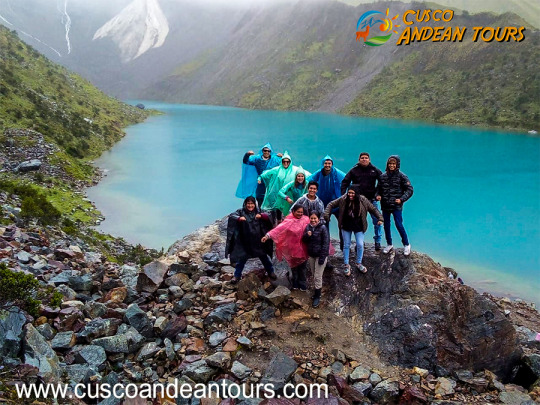
Latin America is recognized worldwide for the natural beauties that hide in countries like Peru. This lagoon formed by the thaw of Mount Humantay presents a unique landscape of the district of Mollepata (Anta).
In Peru, an adventure destination is Cusco, which saves the route to the Apu Salkantay, an attraction that moves with the beauty of the landscape and saves years of history in archeological areas.
As part of the route to Salkantay Mountain, you can access hiking or mountain biking, as well as other camping activities, With a mystical air, the lagoon is visited by shamans and tourists from around the world to leave offerings to Pachamama, deity that represents mother earth in the Inca culture. Through the laying of stones, an offering is offered to the Pachamama thanking him for having successfully reached the lagoon, as well as asking him to accompany us on our trip.
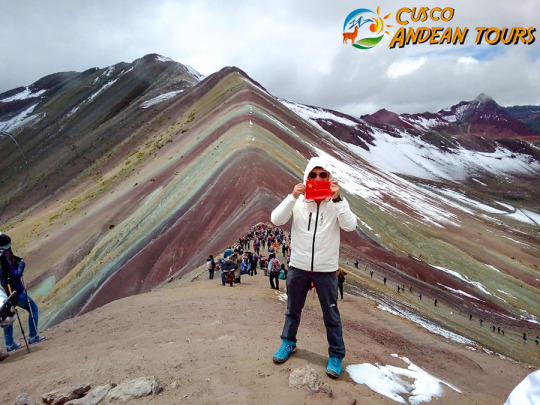
Why is it called Mountain of the 7 Colors? - According to various investigations done on site, the multicolored shades are due to the different minerals that the area covers in capable. These natural substances began to form 65 million years ago when water and rain covered their slopes and peaks. With the passing of time, the extreme weather was thawing the snow that formed there revealing to the world what is today one of the most important tourist attractions of Cusco. Rainbow mountain information.
Location and height - This amazing place is located in the Andes of Peru, in the department of Cusco and Canchis province, at 5,200 m.a.s.l., an area of considerable elevation. It belongs to the people of Pitumarca who call it the ‘Cerro Colorado’. Because it is located on the way to the imposing snowy Ausangate, this site was known long before by the adventurers who dared to do the trek. The photos they posted on Facebook and Instagram, made him gain popularity. Since 2016 it is a popular tourist attraction.
How to get? - Due to its location, just over 100 kilometers from the city of Cuzco, this place is reached by car in the first instance. After a trip of approximately 2 hours along the Longitudinal Highway of the Peruvian Southern Sierra, you will arrive in Pitumarca. The journey continues along a trail to the community of Pampa Chiri. From there you follow a route through mountain slopes. This journey is 5 kilometers and can be done on foot or on horseback to finally arrive at Vinicunca. There are tours that offer this service.
Climate - The climate, typical of the highest areas of Cusco, is cold. Rain, wind and altitude sickness (or soroche) can be the biggest obstacles for travelers. Temperatures can lower zero degrees Celsius. The best time to do this adventure is during the dry season (from April to October) when river rainfall is less likely. If you plan to visit during the rainy season (from November to March), carry a rain poncho with you.
Flora and fauna - The incredible geography of the place is the scene of typical animals from high Andean areas such as llamas, alpacas and vicuñas. The inhabitants of the area raise horses to offer them as transportation to visitors. Due to the height of this region, the ichu or natural boil of the Andes abounds.
The Rainbow Mountain (Vinicunca), are stunning and can be seen on the spectacular Ausangate Trek. Ausangate mountain itself is considered a holy mountain by local people and is the deity of Cusco. Since pre-Inca times the mountain has been a place of worship and offerings and this tradition continues today.
Machu Picchu,This stunning site situated on a mountain ridge above the Sacred Valley is the best-preserved relic of Inca civilisation and South America’s most popular attraction with an estimated 3,000 people visiting on a typical day.